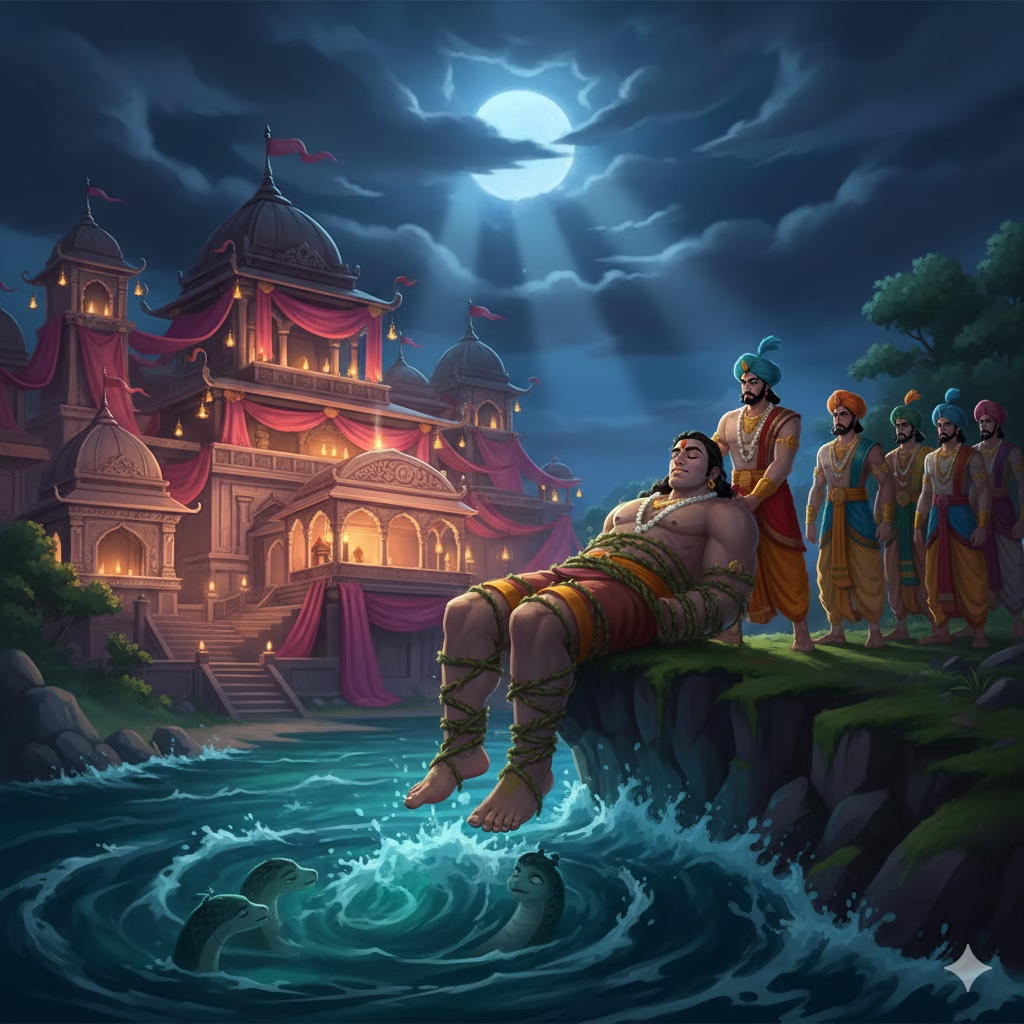
The world sees the Mahabharata as a war of arrows and chariots, but the real war began much earlier—in the quiet, poisonous shadows of a dinner plate. This is the story of Pramanakoti, a place designed for pleasure that became a portal to the underworld. It is a story for anyone who has ever been “pushed into the depths” by someone they trusted.
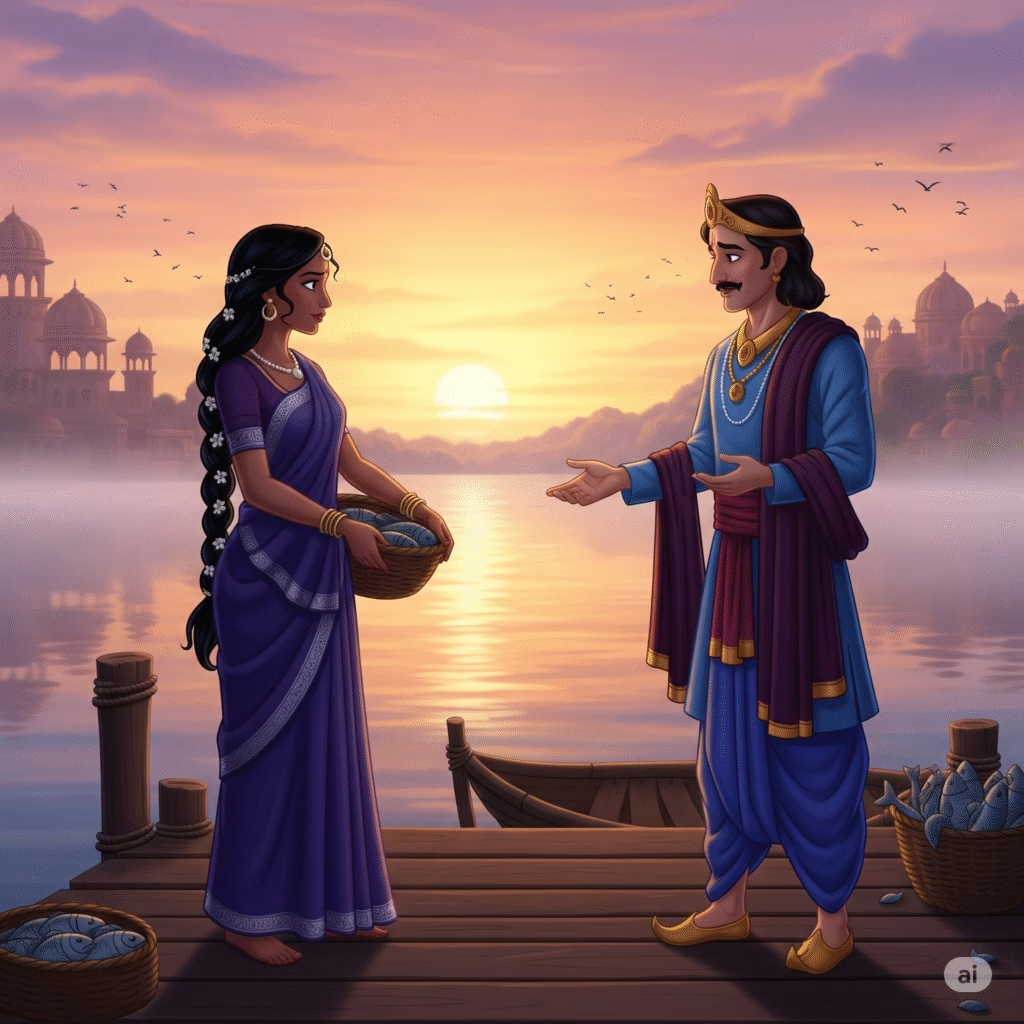
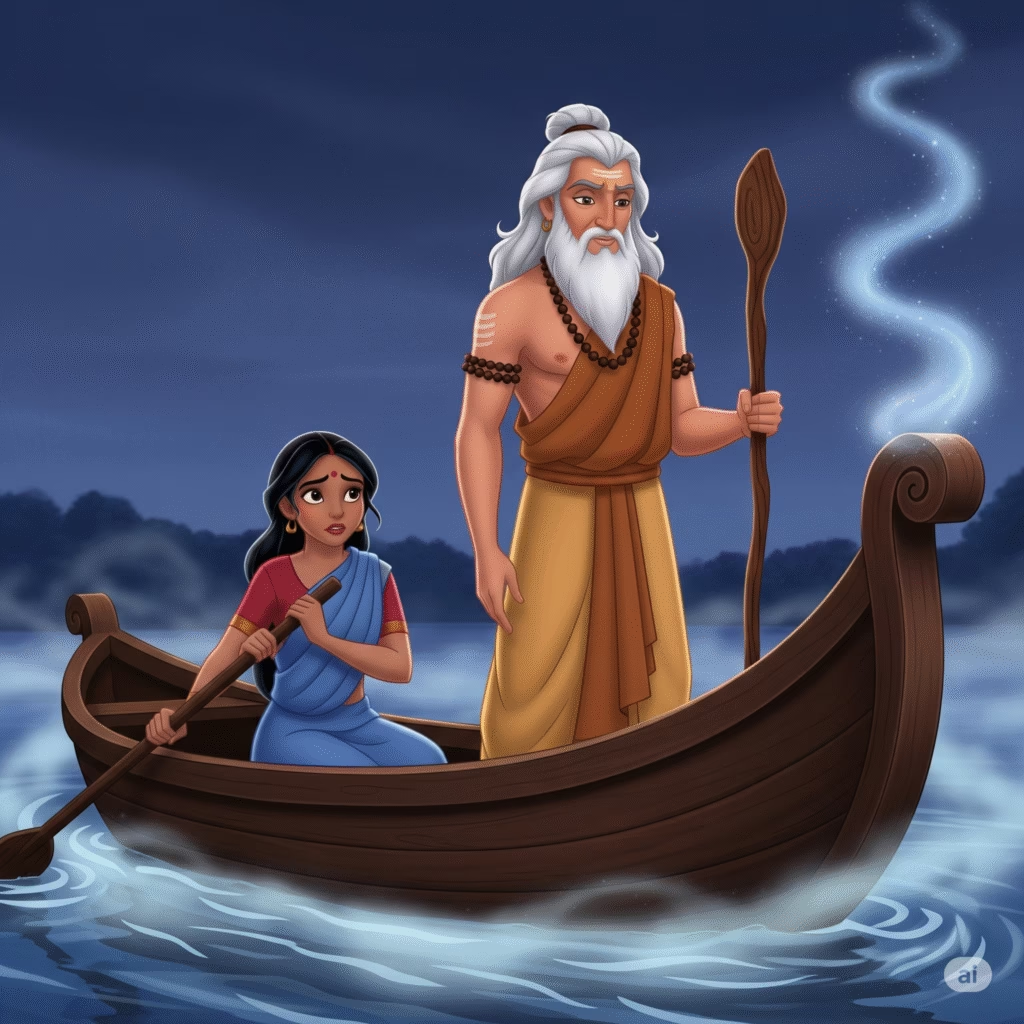
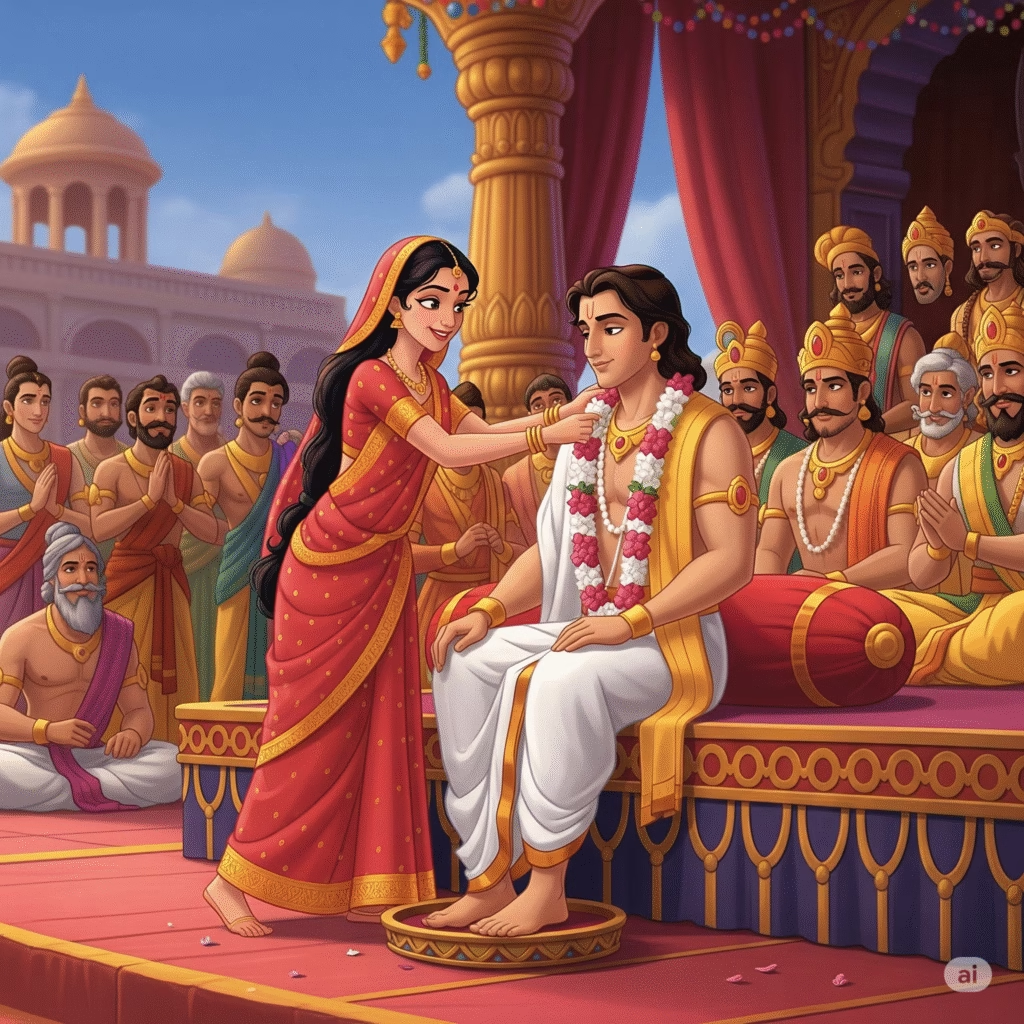
Duryodhana was not just a warrior; he was a master of optics. To the world, he was the concerned cousin, inviting the Pandavas to a summer retreat on the banks of the Ganga. He built Udakakridana, a seasonal palace at the site of Pramanakoti. It was a marvel of cloth and wood—vast halls draped in fine cotton and wool, towering banners that kissed the sky, and mechanical fountains that sprayed cool mist. Inside, the rooms were masterpieces of craftsmanship. The walls were painted by the finest artists, depicting scenes of joy. But Duryodhana’s heart was a blade sharpened in the dark. Every beautiful curtain was a shroud; every fountain’s hiss was a warning.
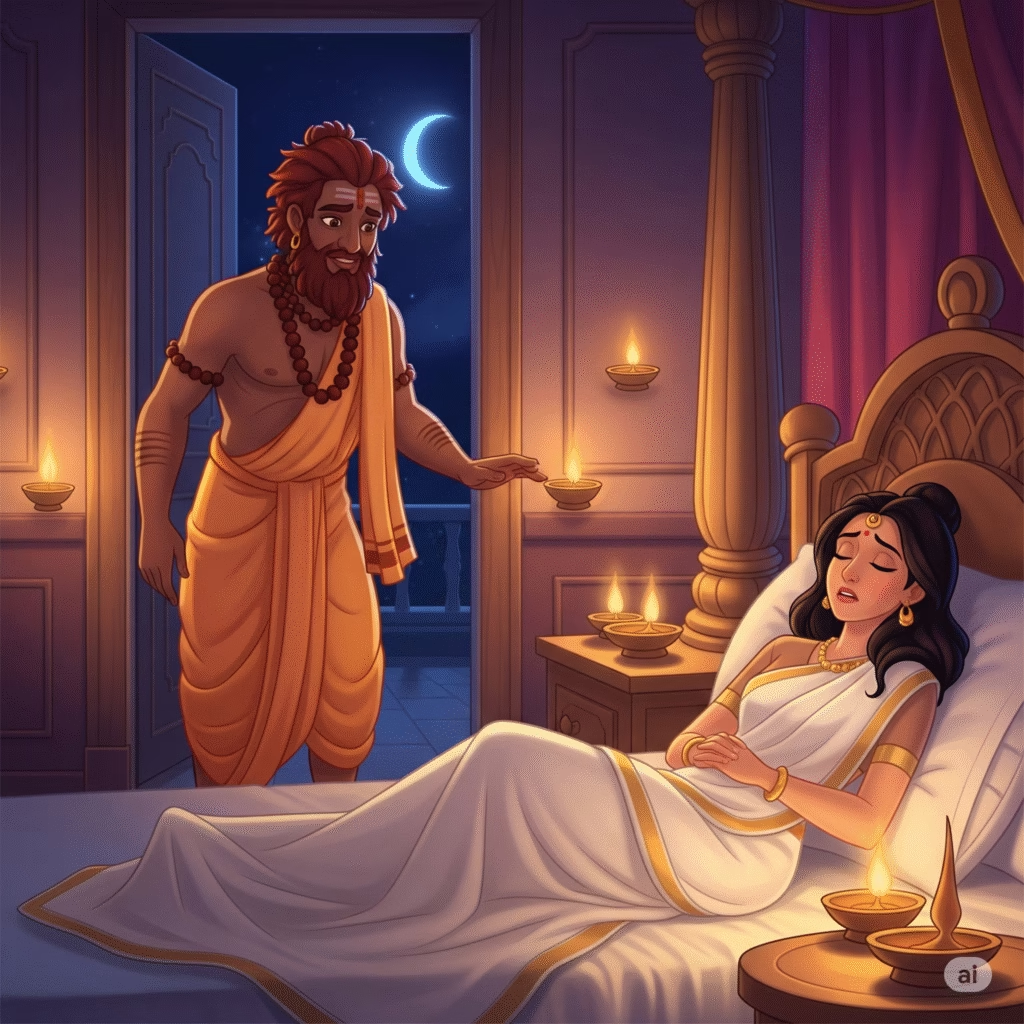
The air at the Ganga’s edge was thick with the scent of Kalakuta—the deadliest poison known to man. Duryodhana had it mixed into the most exquisite dishes. He didn’t just order the poisoning; he participated in it with a chilling intimacy. “Eat, Bhima!” he urged, his voice like honey. “You are the strongest of us; you deserve the largest share.” Bhima, whose heart was as open as his appetite, suspected nothing. He saw his brother, not his executioner. He ate the poisoned sweets, the bhakshya (chewable treats), and the lehyas (creamy delicacies). As the Kalakuta began to circulate through his massive veins, a heavy, unnatural lethargy settled over him.
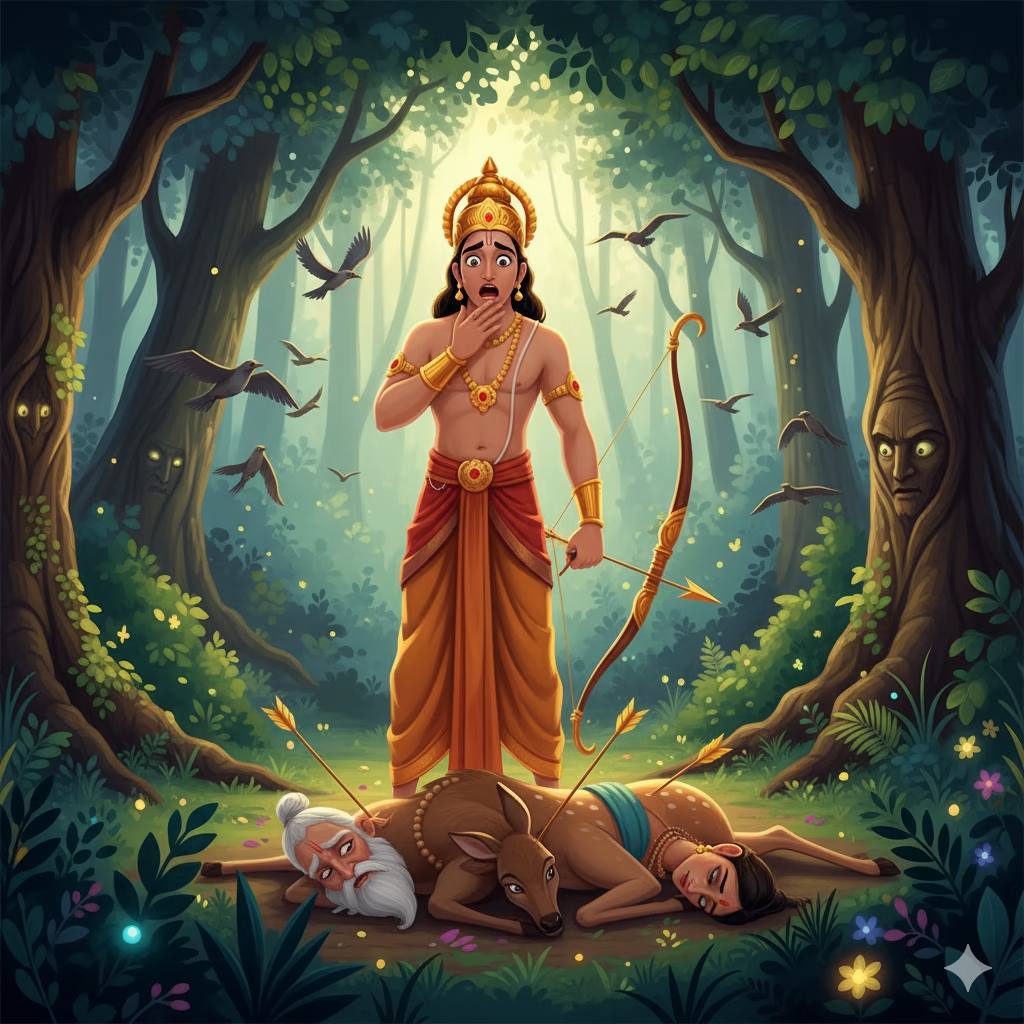
While the sun dipped below the horizon, the princes engaged in water sports. Bhima, usually the king of the water, found his limbs turning to lead. His vision blurred. He managed to drag himself to the shore, collapsing into a deep, death-like stupor. As night fell and the other brothers slept, exhausted by the day’s revelry, Duryodhana moved. With the help of his brothers, he bound the unconscious Bhima with Lata-pasha (strong creepers). He dragged the son of the Wind God to the edge of a high cliff overlooking a treacherous whirlpool in the Ganga. With a final, silent push, Bhima fell. He didn’t hit the water; he was swallowed by it. He sank, a bound giant, descending through the dark currents until he reached the Nagaloka, the realm of the serpents.
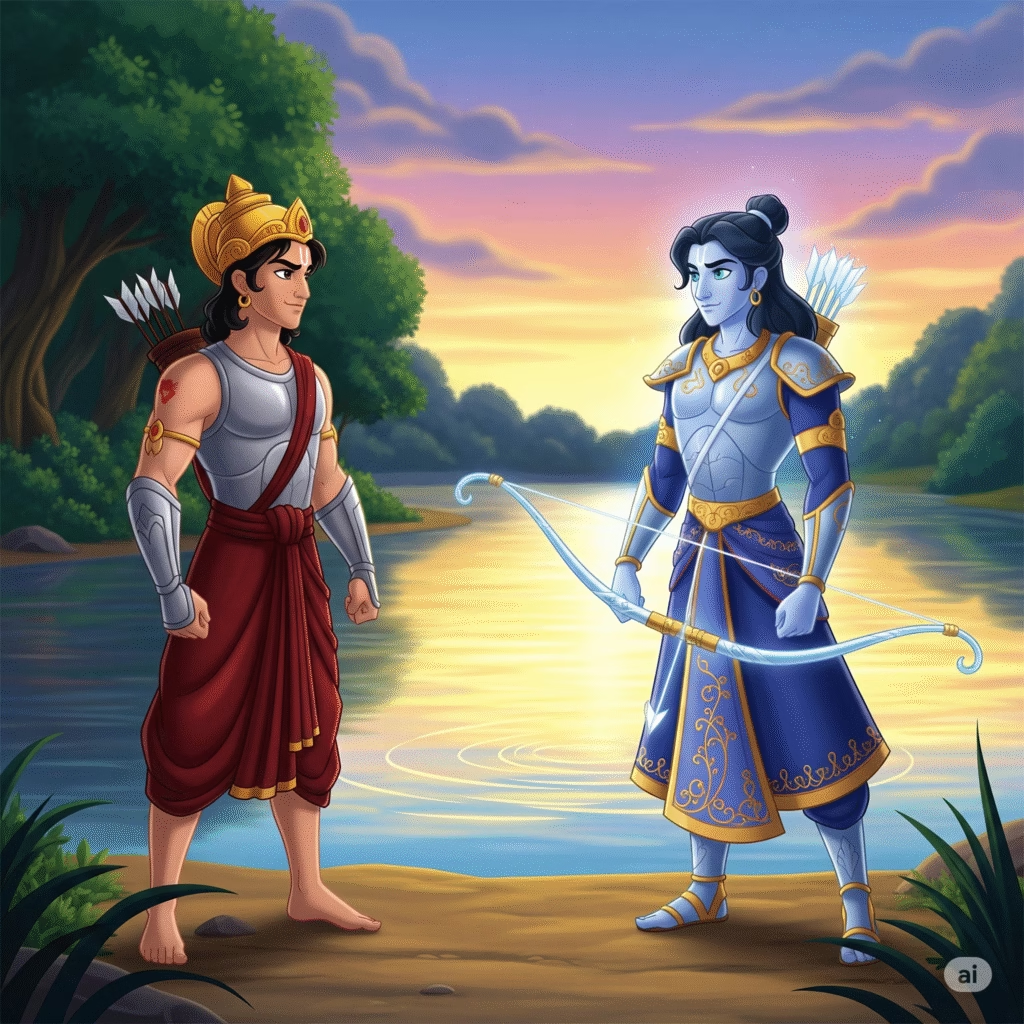
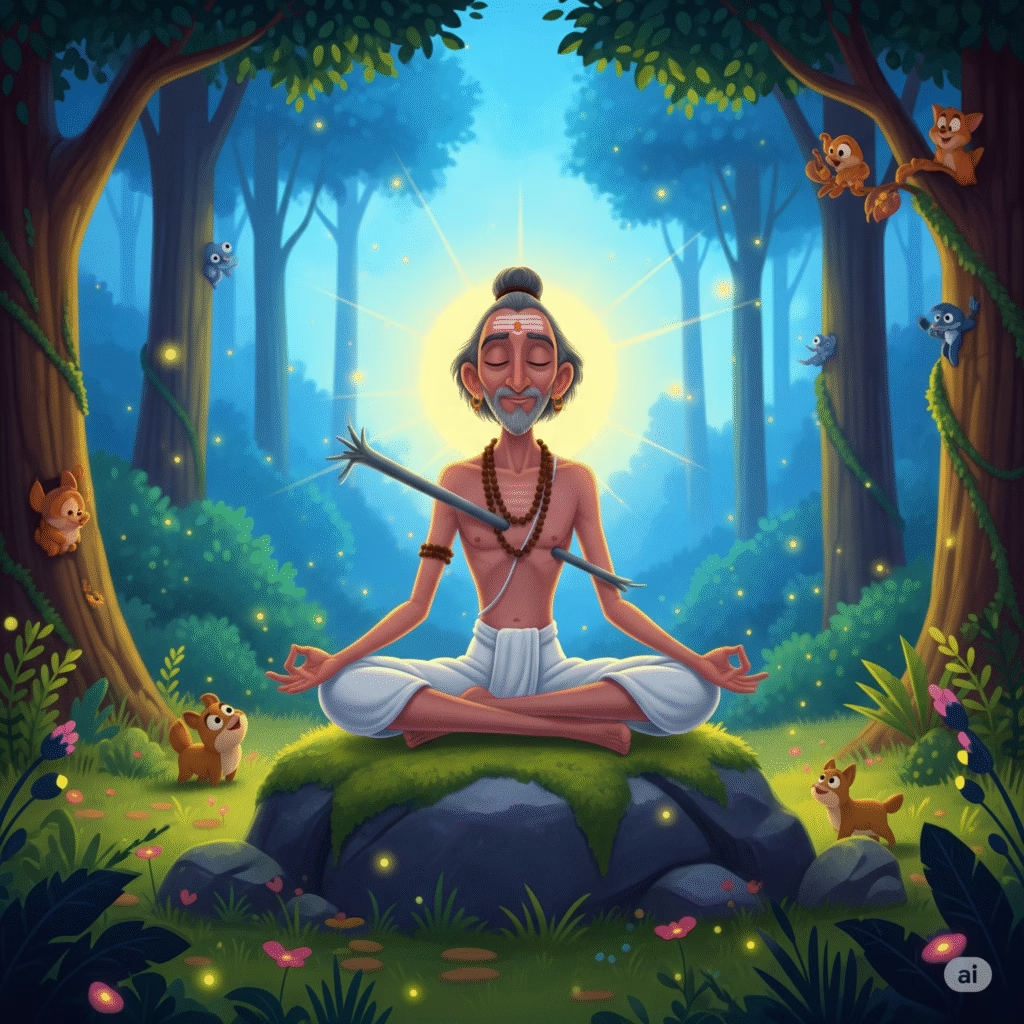
In the depths, the serpents saw an intruder. Thousands of venomous snakes, their fangs dripping with lethal bile, sank their teeth into Bhima’s flesh. But then, something miraculous happened. In the science of the ancient world, Jangama (animal venom) can neutralize Sthavara (mineral/plant poison). The snake venom attacked the Kalakuta poison already in Bhima’s blood. They cancelled each other out. Bhima’s iron-like skin, though bitten in vital spots, held firm. He woke up. With a roar that shook the riverbed, he snapped his vine-bonds and began crushing the serpents under his fists. The surviving snakes fled to their King, Vasuki. Accompanying him was Aryaka, a Naga chief who recognized Bhima’s lineage—he was the great-grandfather of Kunti.”This is no ordinary mortal,” Aryaka proclaimed.
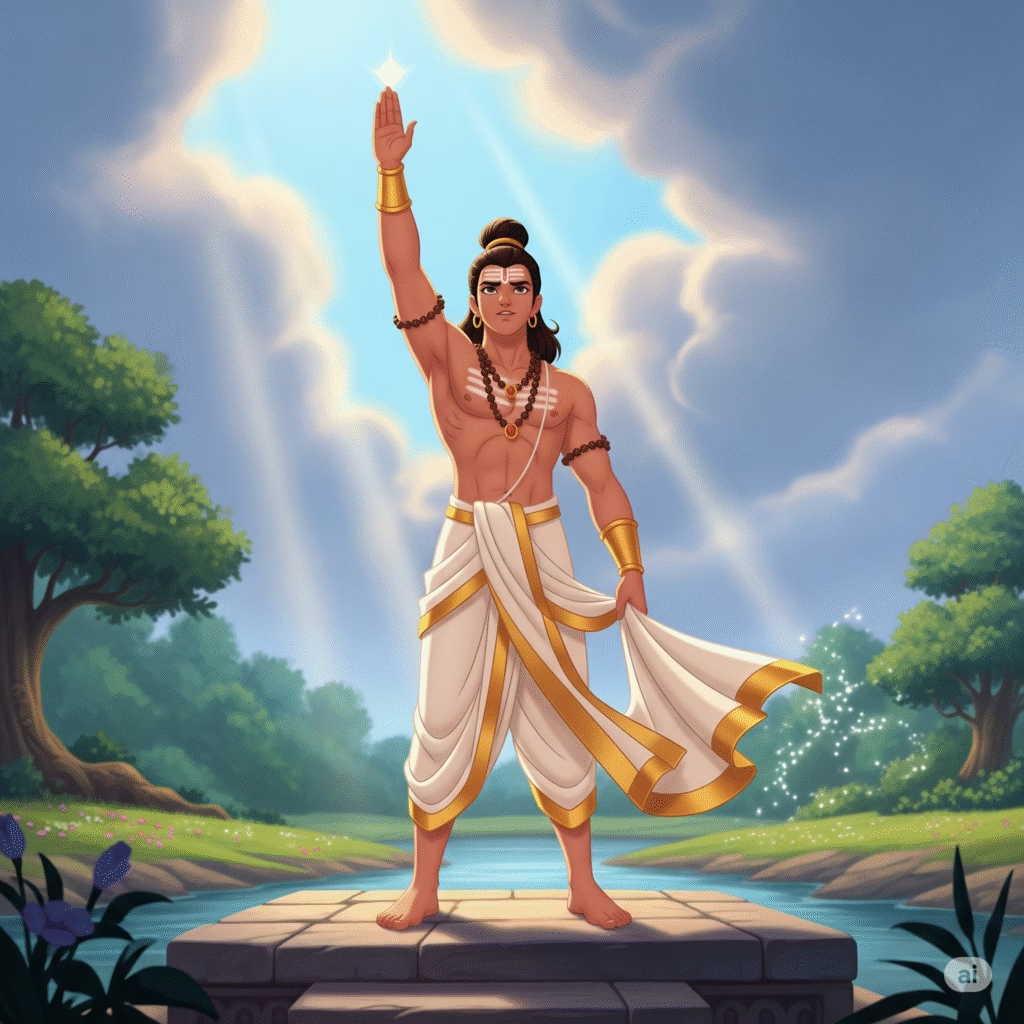
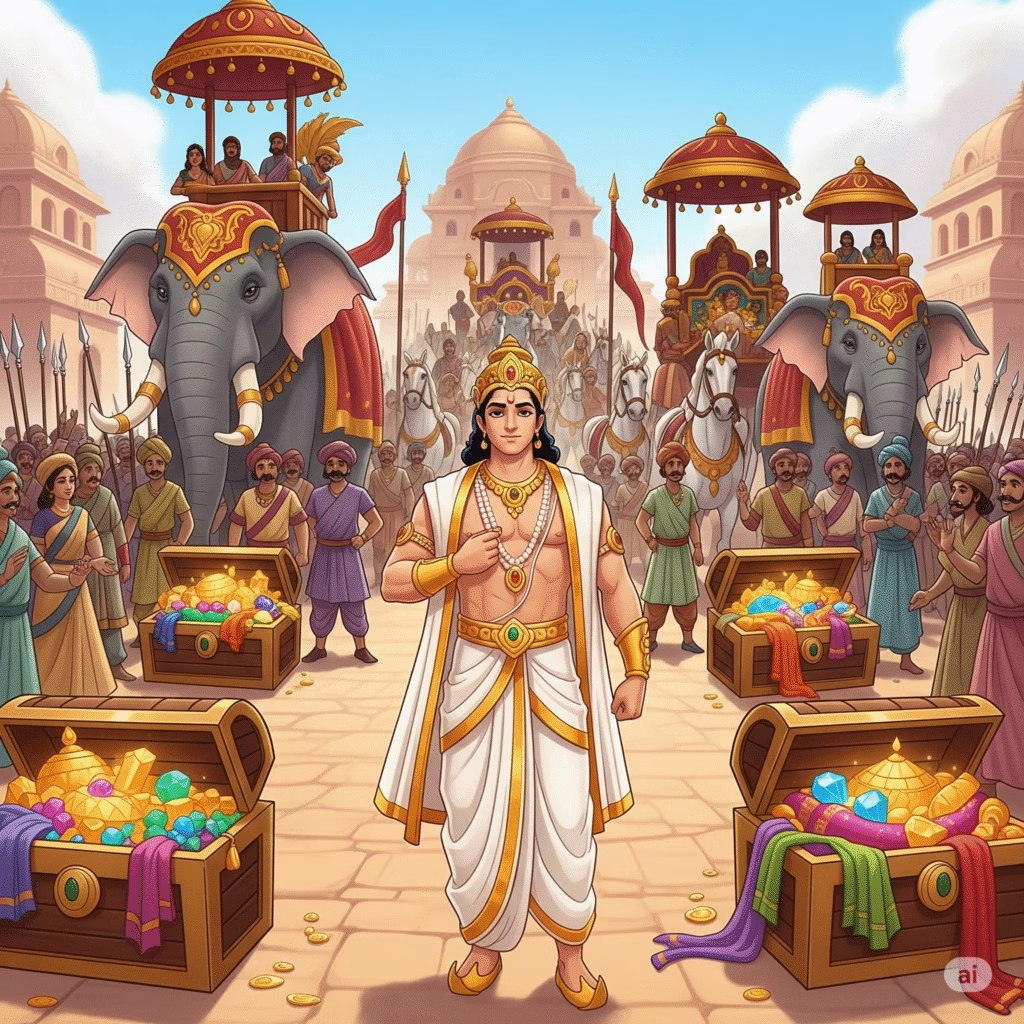
Instead of punishment, Bhima was offered a reward. He was led to the celestial vessels of strength. Bhima, still recovering from the dual poisons, began to drink. He drank one vessel… then another. By the time he finished, he had consumed eight full vats of the divine nectar. Each vat granted him the strength of a thousand elephants. He fell into a deep, restorative sleep that lasted eight days. When he finally rose, he wasn’t just Bhima anymore. He was a force of nature.
The Mahabharata does not begin its great destruction with war cries or flying arrows. It begins with something far more intimate and dangerous—food offered with a smile. Pramanakoti teaches us that the earliest violence is often invisible. It wears the mask of hospitality, celebration, and kinship. Duryodhana’s act is not merely an attempt at murder; it is the birth of Chhala—deception as a way of life. He understands that power cannot always be seized openly. Sometimes it must be slipped quietly into another’s body, like poison mixed into sweetness. This is the moment where ambition learns to hide, where envy learns strategy. Bhima, on the other hand, represents innocent strength. His mistake is not weakness, but trust. He does not suspect harm because harm does not exist in his own heart. The Mahabharata reminds us that purity is a state where evil has not yet rewritten your worldview. But such purity, in a world growing darker, is vulnerable.
The river Ganga becomes a silent witness to this moral fall. What was meant to cleanse instead becomes a grave. Yet Dharma does not abandon Bhima in the depths. The very venom meant to kill him becomes his cure. The snakes’ poison neutralizes the Kalakuta, revealing one of the epic’s deepest truths: sometimes survival comes not from avoiding danger, but from passing fully through it. Bhima’s descent into Nagaloka is symbolic. Before a warrior can rise as a force of justice, he must first be pushed into the abyss by betrayal. Strength that has not faced treachery remains raw; strength that survives it becomes unbreakable.
Pramanakoti reminds us that the real wars of life begin long before open conflict. They begin when trust is broken, when envy is fed in secret, and when someone decides that another’s existence is an obstacle. And yet, it also assures us—not every fall is a defeat. Some falls are initiations.Bhima returns not just alive, but transformed. Because when Dharma protects, even poison becomes nourishment, and even betrayal becomes preparation. This is how the Mahabharata whispers its warning to us: Be careful who feeds you. Be careful what you consume—not just with your mouth, but with your faith.
Journaling Prompts
- Have you ever been harmed by someone who appeared friendly or supportive on the surface? Write about a time when danger came disguised as care. How did your body or intuition sense it—if it did at all?
- The fall into the Ganga leads Bhima to transformation, not destruction. What is the “river” you were pushed into in life? How did it change you?