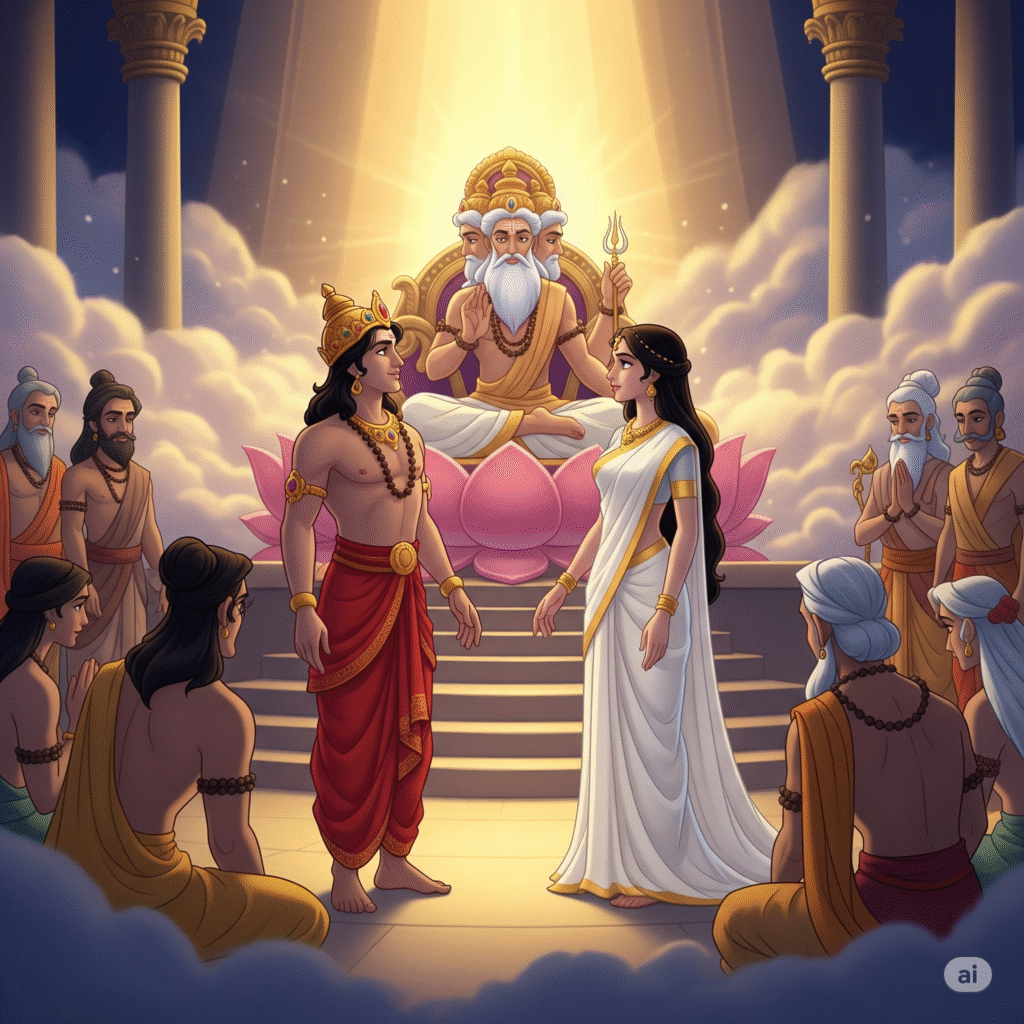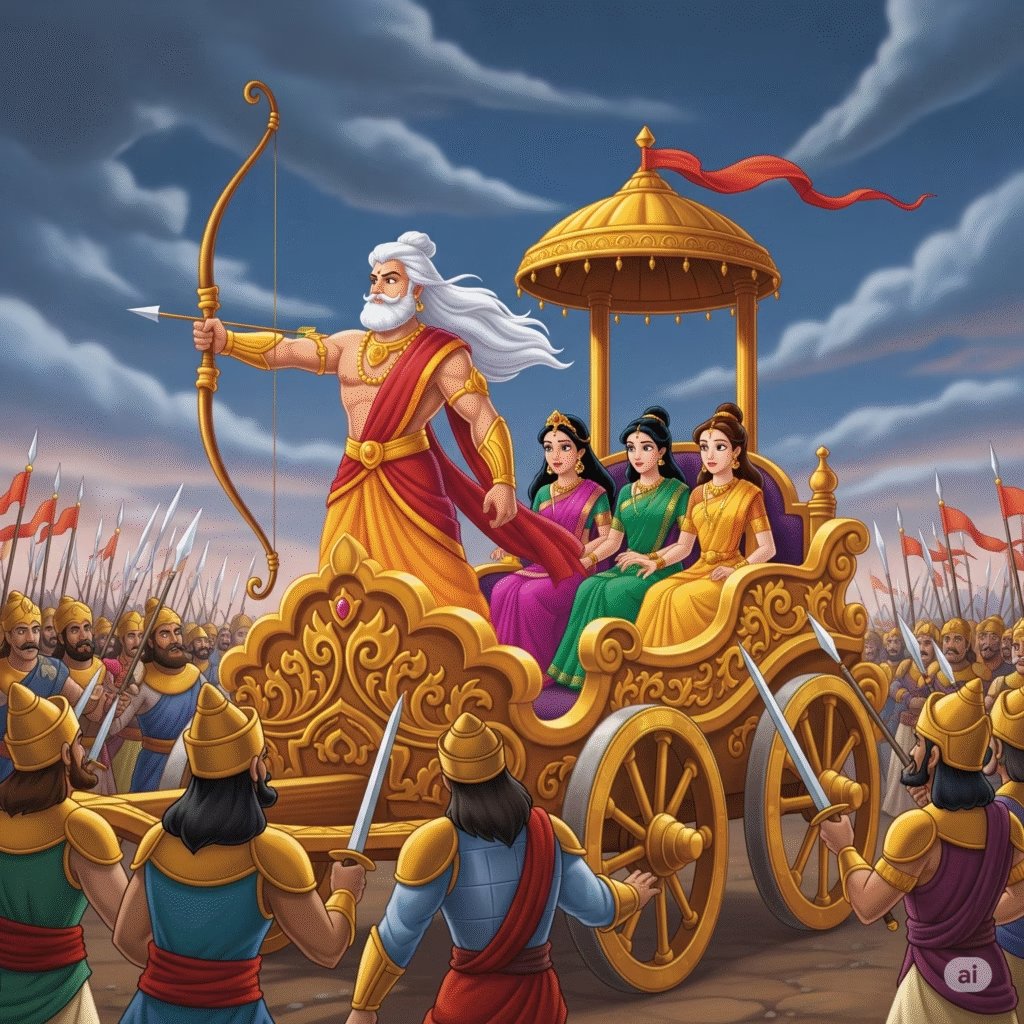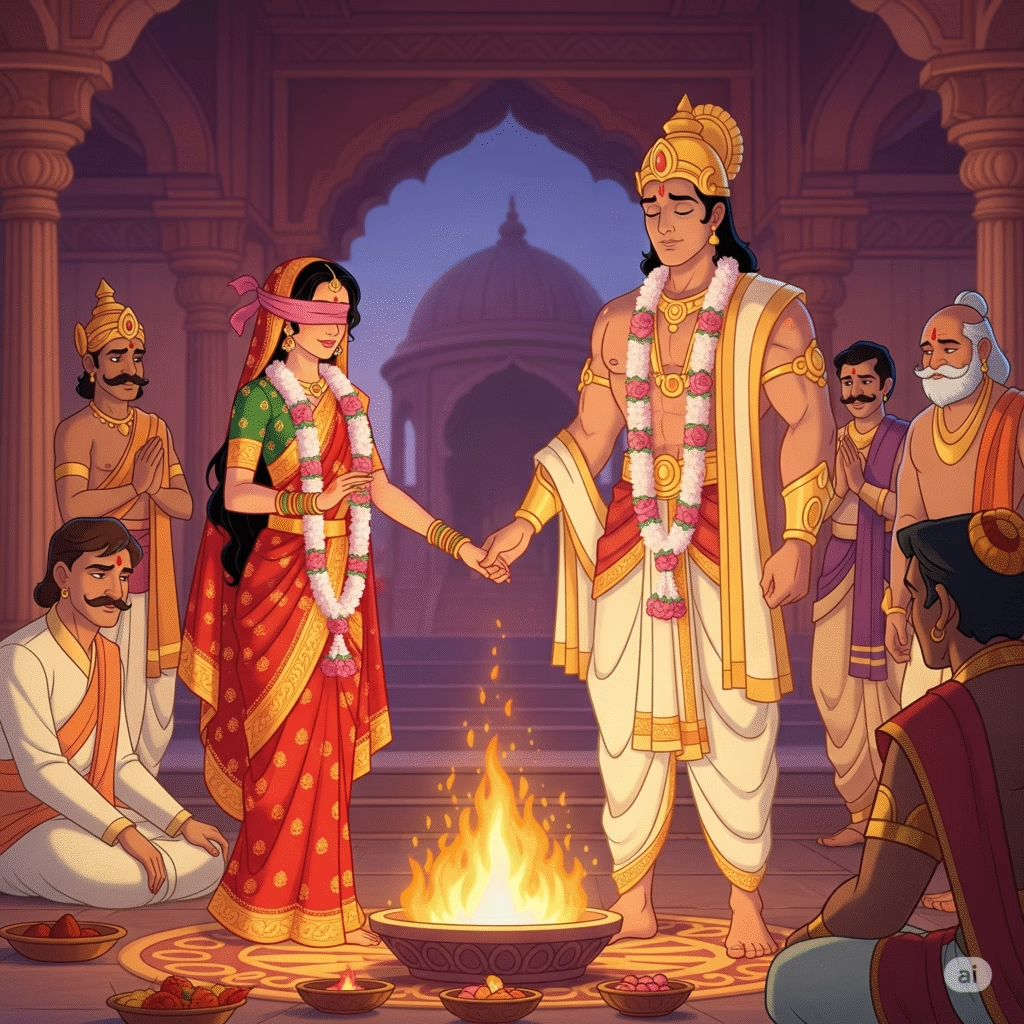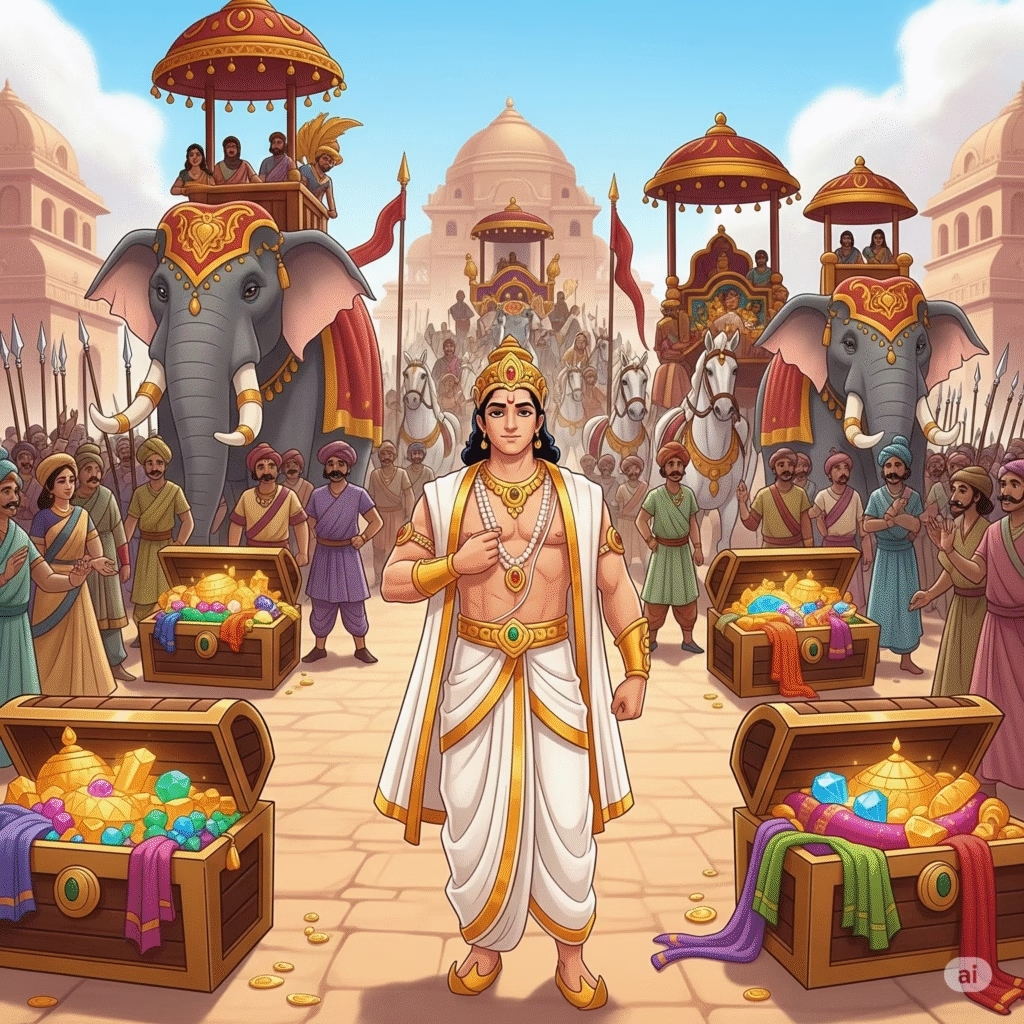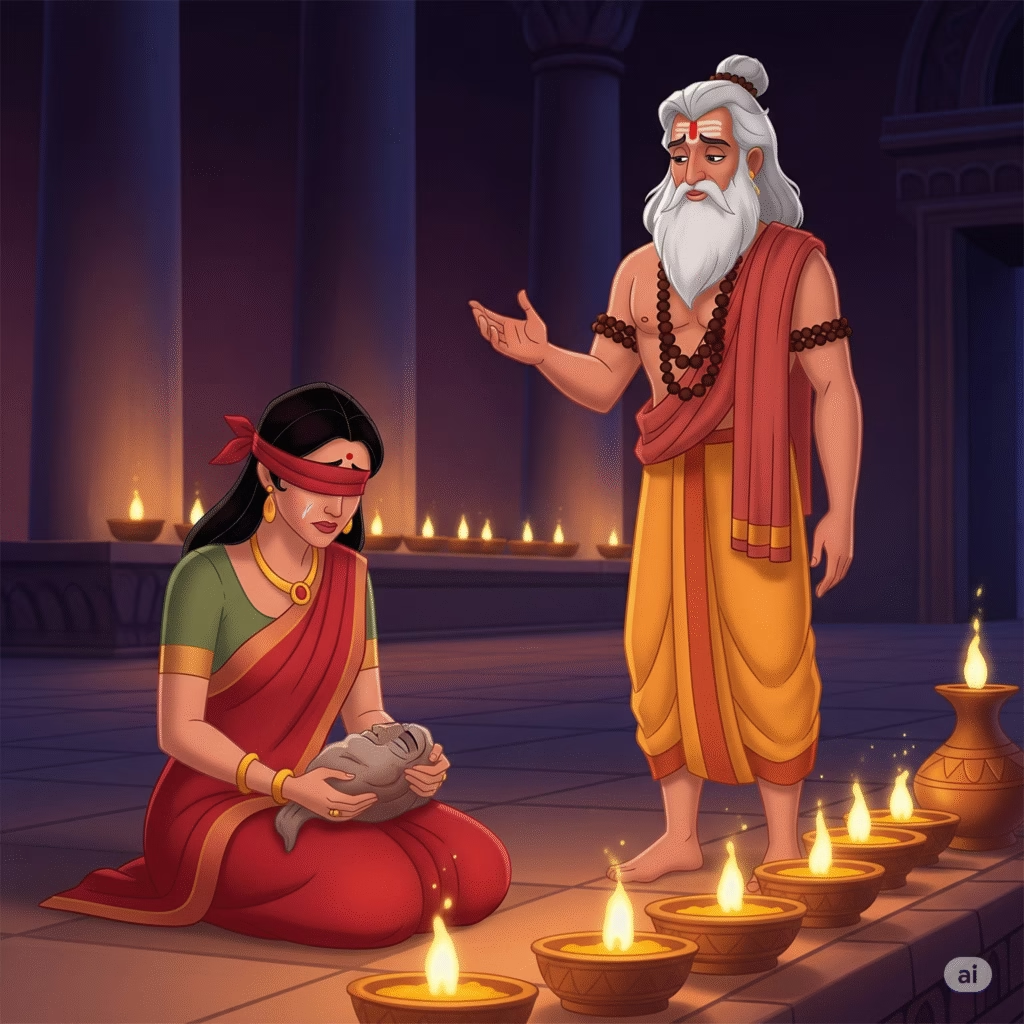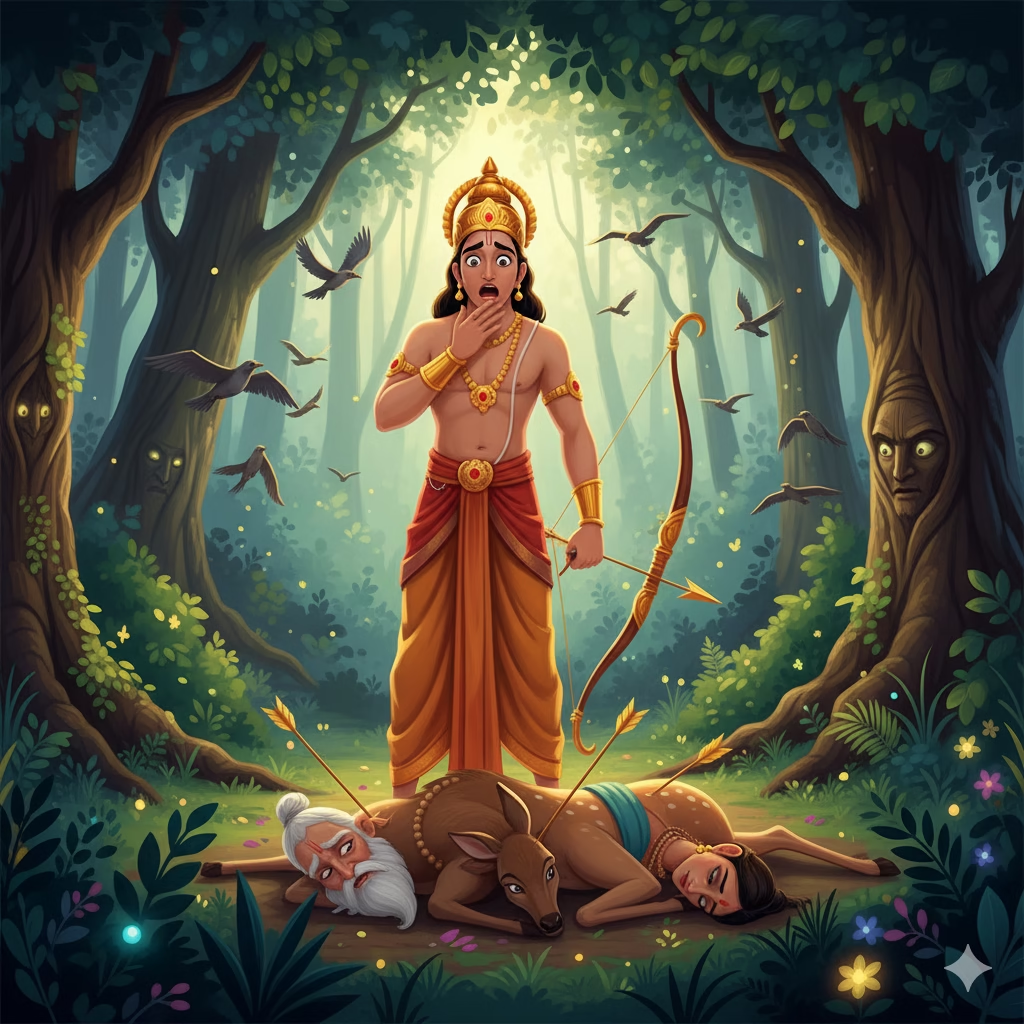
The funeral pyres of King Pandu and Queen Madri had finally cooled, leaving behind a layer of grey ash that seemed to settle over the very soul of Hastinapur. The rituals were meticulously performed. Dhritarashtra, the blind King, stood like a silent pillar of grief, while Bhishma, the patriarch, ensured that every Vedic chant was uttered with the precision required to send a soul to the realm of the ancestors. Gifts were showered upon the Brahmins. Thousands were fed. Villages, gems, and cattle were distributed in charity. It was a display of wealth that sought to mask the hollowness left by the death of a King. But as the Pandavas and Kunti took their ritual bath of purification, marking the end of the mourning period, the atmosphere did not lighten.The citizens of Hastinapur watched the five young boys enter the city gates. They wept as if they had lost their own brother. But among the elders, there was a chilling realization: the balance of power had shifted. The palace was no longer just a home; it was a pressure cooker of destiny.
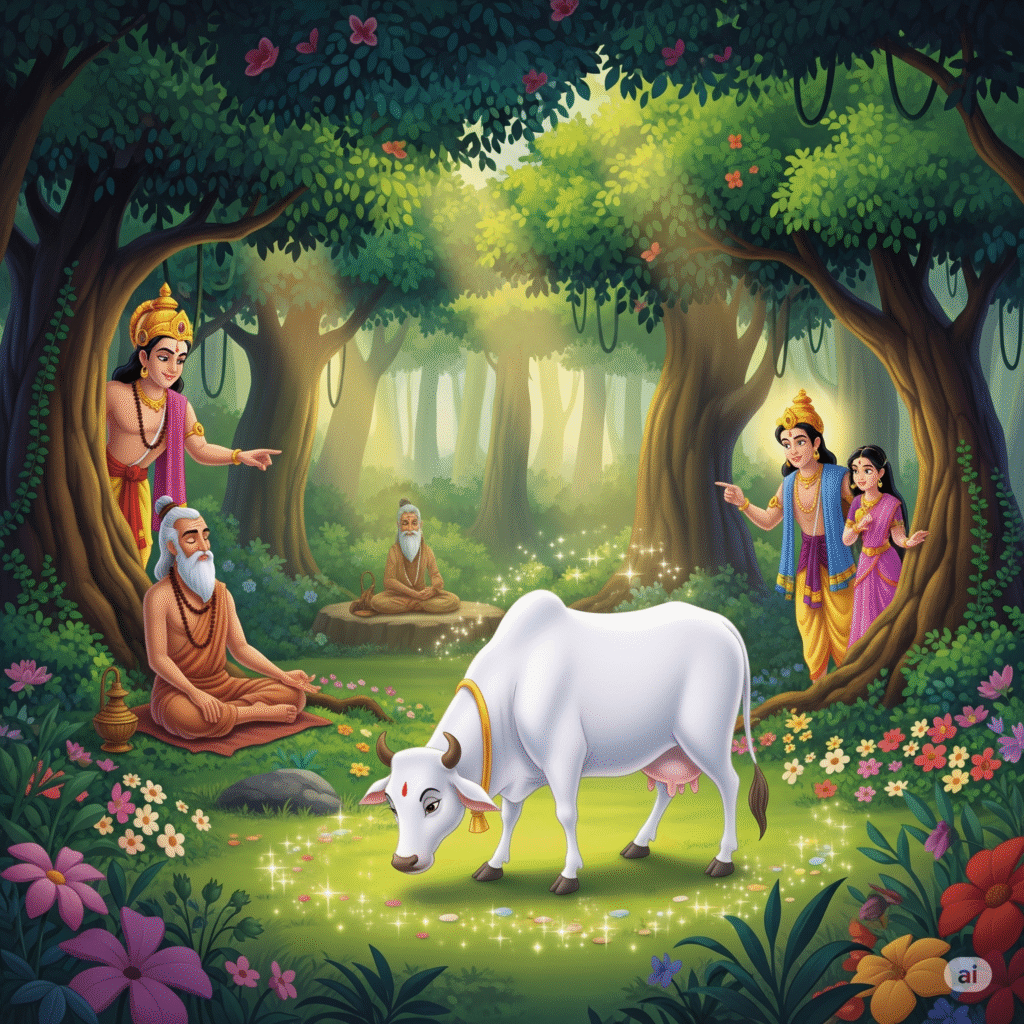
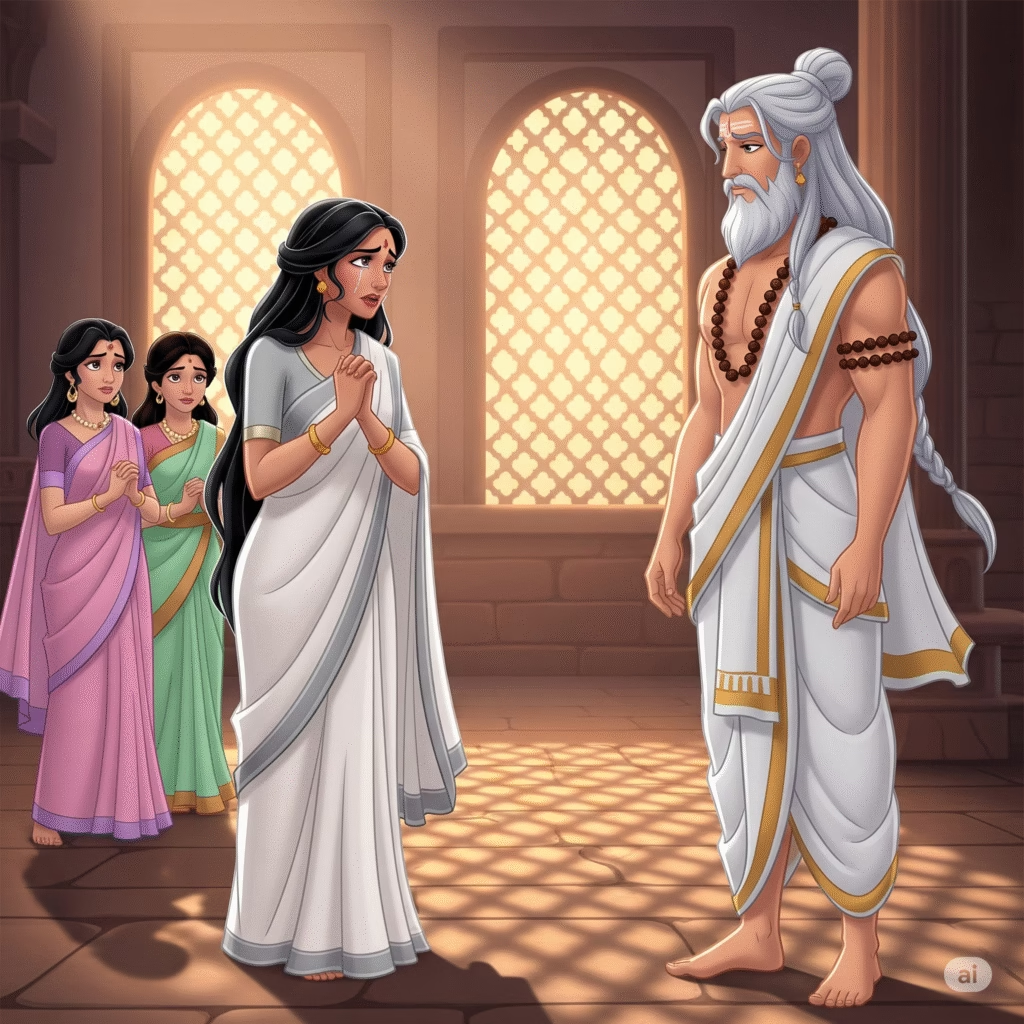
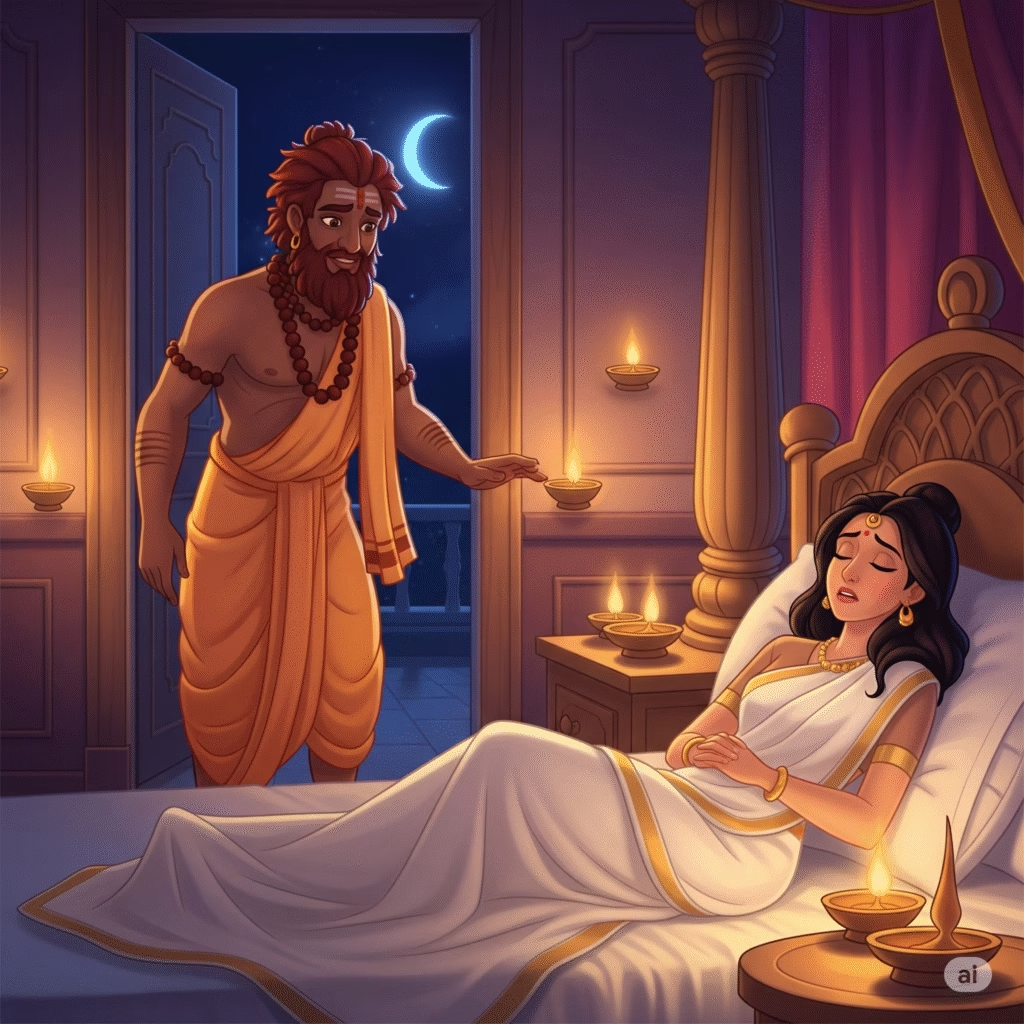
In the quiet chambers of the palace, the great Sage Vyasa approached his mother, Satyavati. He did not come with comfort; he came with a terrifying prophecy.“Mother,” he said, his voice sounding like the low rumble of a distant storm, “the youth of the Earth is over. The days of simple joy and easy virtue have passed into the shadows. Look around you. The world is growing old, and with age comes the rot of deceit.” He spoke of a future where “Maya” (illusion) and “Chhala” (fraud) would be the new currencies. He warned her that the Earth was losing its vitality, and soon, the very fabric of Dharma would begin to fray. “The arrogance of Duryodhana and his brothers will turn this soil into a graveyard of heroes. Do not stay to witness the slaughter of your own blood. Go to the forest. Seek the silence of the soul before the screams of the battlefield take over.”
Satyavati looked at her daughters-in-law, Ambika and Ambalika. They were widows, their hearts already heavy with the weight of loss. With a heavy heart, she sought Bhishma’s permission. The three queens, once the pillars of the Kuru dynasty, walked out of the golden gates of Hastinapur and into the emerald depths of the treading forest. They traded their silks for bark and their palaces for penance, eventually leaving their bodies in a state of high yogic grace.
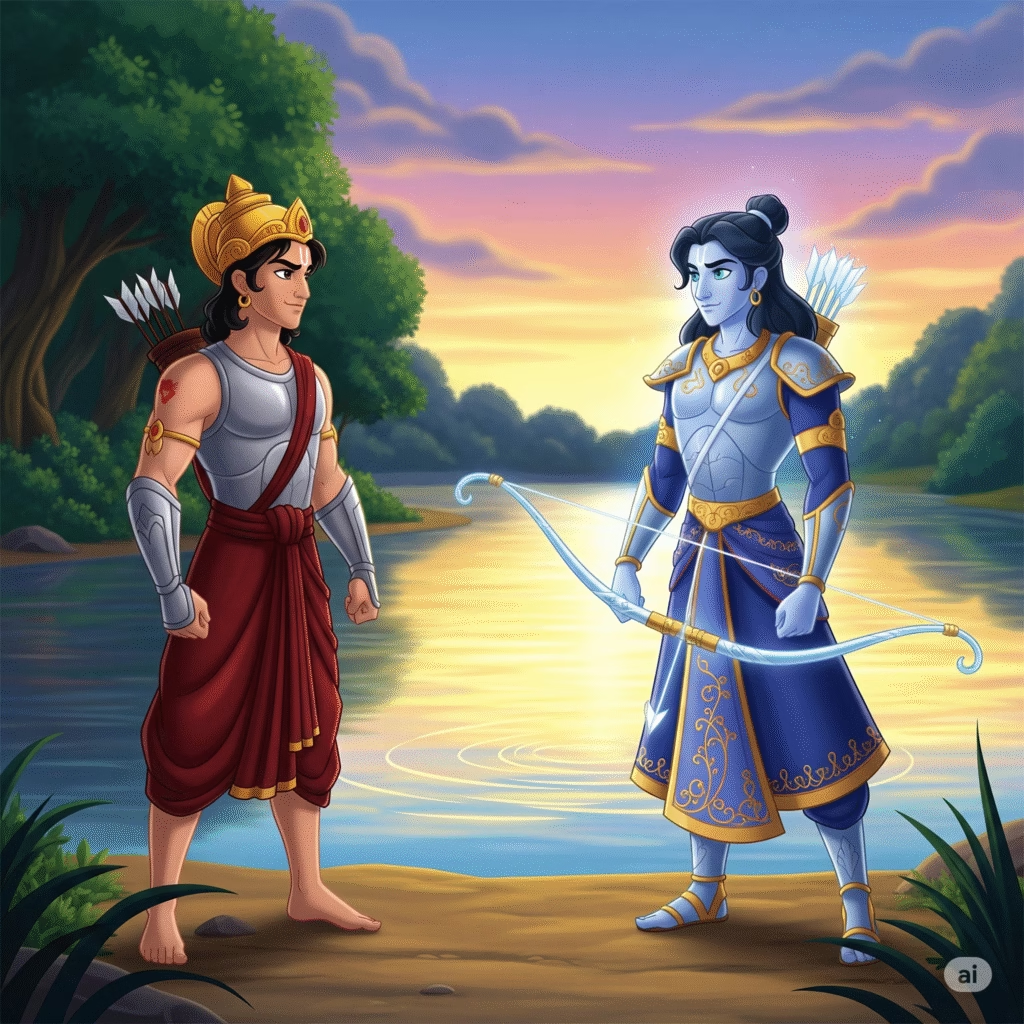
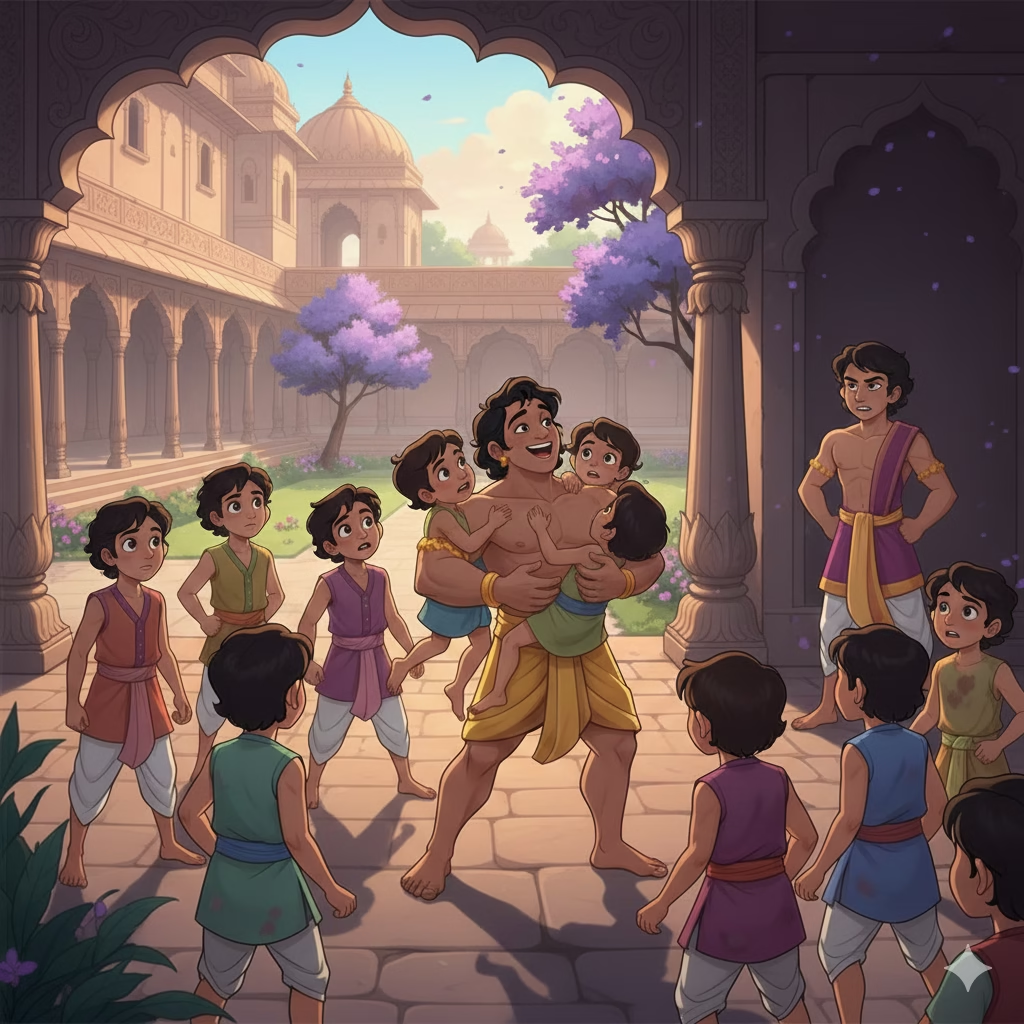
With the elders gone, the palace belonged to the children. One hundred sons of Dhritarashtra and five sons of Pandu. On the surface, it was a time of games. They played in the gardens, they wrestled in the pits, they raced through the corridors. But one boy stood out like a mountain among foothills: Bheem. Bheem did not understand the subtle nuances of royal etiquette yet. He was a son of the Wind God, and his energy was uncontainable. When they played “Capture,” Bheem would grab ten Kauravas at once, tucking them under his arms like restless kittens. He would dive into the Ganga and hold them underwater, laughing as they thrashed in panic, only releasing them when they were on the verge of fainting. When the Kauravas climbed trees to pick fruit, Bheem wouldn’t climb. He would simply walk up to the trunk and kick it with the force of a battering ram. The massive trees would shudder, and the Kauravas would tumble down like ripe mangoes, bruised and terrified.
Bheem’s heart was pure —he did it without malice. It was “Bal-Swabhav”—the nature of a child who doesn’t know his own strength.But Duryodhana was not a normal child. Every time he was dragged through the dust by Bheem, every time his brothers were humiliated in a race, a dark ink began to leak into his heart. He didn’t see a playmate; he saw a rival who could snatch his inheritance. Duryodhana began to ruminate. “This middle Pandava is too strong. He is a wall between me and the throne. If I cannot beat him in the light, I must break him in the dark.” The plan was formed in the shadows of the night. A beautiful garden named Pramanakoti was prepared on the banks of the Ganga. It was to be a place of feast and celebration—but for Bheem, it was designed to be a tomb.
The funeral fires of Pandu and Madri cool, but the Mahabharata reminds us that some fires begin only after the flames die. What remains is not peace, but ash—settling not just on the ground of Hastinapur, but on its conscience. The city performs every rite perfectly. Charity flows. Mantras are recited without error. Yet beneath this outward display of dharma lies a hollow truth: ritual can honor loss, but it cannot repair imbalance. When the Pandavas return to the palace, the people mourn with love, but the elders sense something colder—the structure of power has shifted. A home has quietly turned into a battleground. Vyasa’s prophecy to Satyavati is not merely about the future; it is a diagnosis of the present. He speaks of an aging world where Maya and deceit replace simplicity and virtue. This is the Mahabharata’s recognition that moral decay does not arrive suddenly—it seeps in, disguised as normalcy. When elders withdraw to the forest, it is not escape, but an admission: their wisdom can no longer restrain the coming storm.
With the guardians of restraint gone, the palace belongs to children. On the surface, it is play. But play is where nature first reveals itself. Bhima’s strength is innocent—raw power without calculation. He does not seek dominance; he simply acts. His violence is unconscious, born of abundance, not intent. This is Bal-Swabhav—the danger of power that does not yet know itself. Duryodhana’s response, however, marks a turning point. He does not feel pain alone; he feels threat. Where Bhima sees a companion, Duryodhana sees an obstacle. The Mahabharata draws a sharp psychological line here: envy is born not from weakness, but from fear of losing what one believes is rightfully theirs. Humiliation becomes memory, memory becomes obsession, and obsession seeks strategy. Thus, rivalry is not created by conflict alone, but by interpretation. Bhima’s strength remains the same; Duryodhana’s meaning of it changes. From that moment, daylight is abandoned. What cannot be defeated openly must be destroyed secretly. The garden meant for celebration becomes a planned grave. This is how great wars begin—not with hatred, but with unaddressed insecurity. Not with evil, but with fear that chooses deception over self-examination.
The Mahabharata warns us quietly: When innocence is unguarded and fear is unhealed, play turns into politics, and childhood becomes the rehearsal for war.
Journaling Prompts
- Where in your life has innocence unintentionally caused harm? Was the damage created by your intent—or by your lack of awareness?
- When have you interpreted someone else’s strength as a threat to your place? What fear was hiding beneath that reaction?
- Do you respond to humiliation by learning—or by plotting? How do .you usually protect your ego?