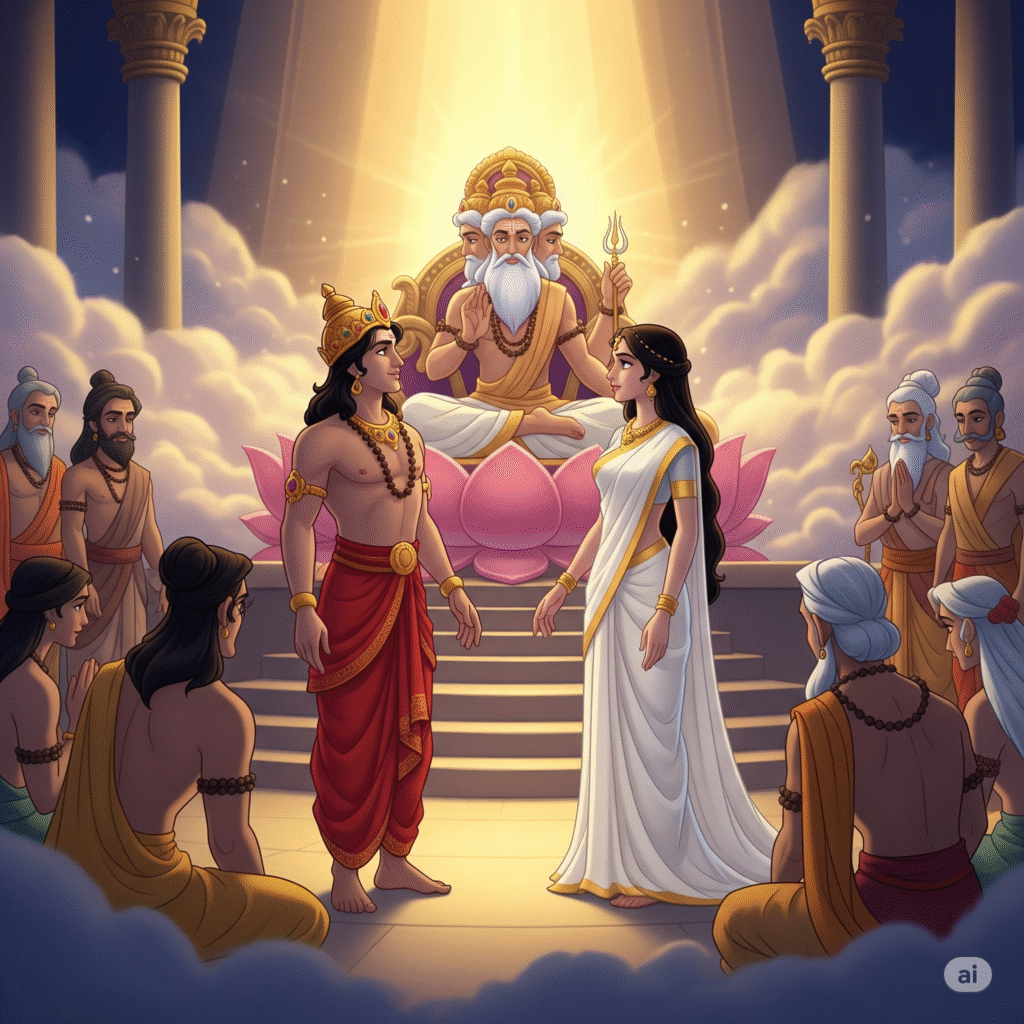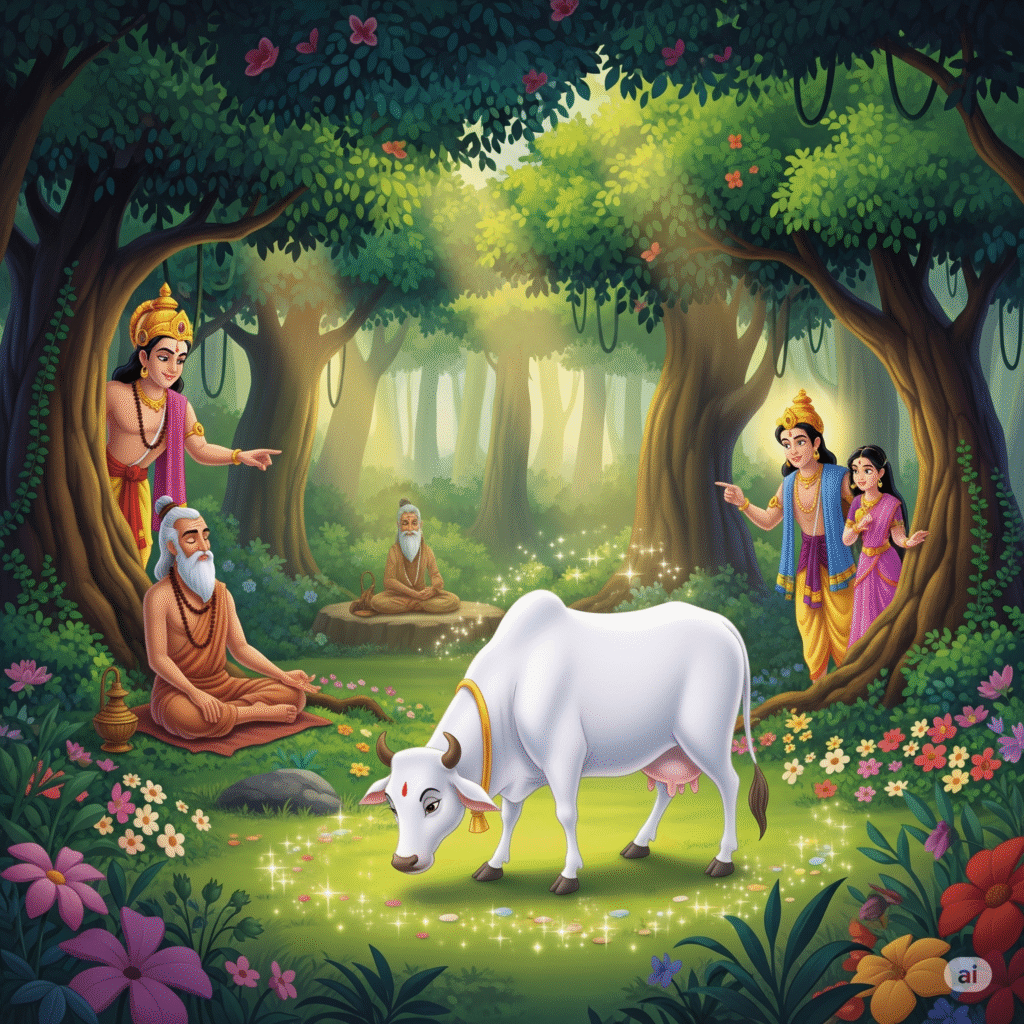
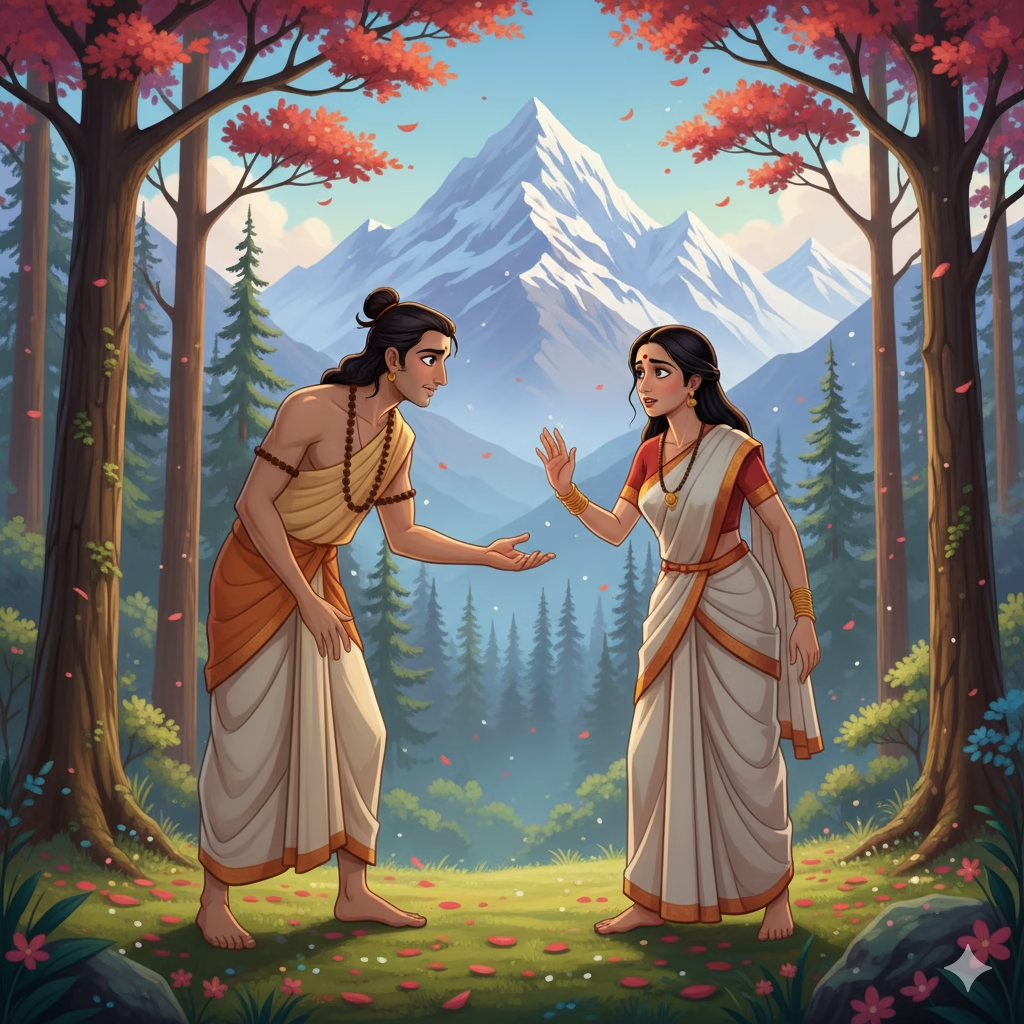
The peaks of Shatashringa stood like silent sentinels, their snow-capped summits piercing the heavens. In the heart of these mountains, the air was thick with the scent of cedar and the low hum of Vedic chants. Here, the five sons of Pandu were growing not just in height, but in spirit. The sages of the mountain treated them as their own, nurturing them with a love that transcended blood.
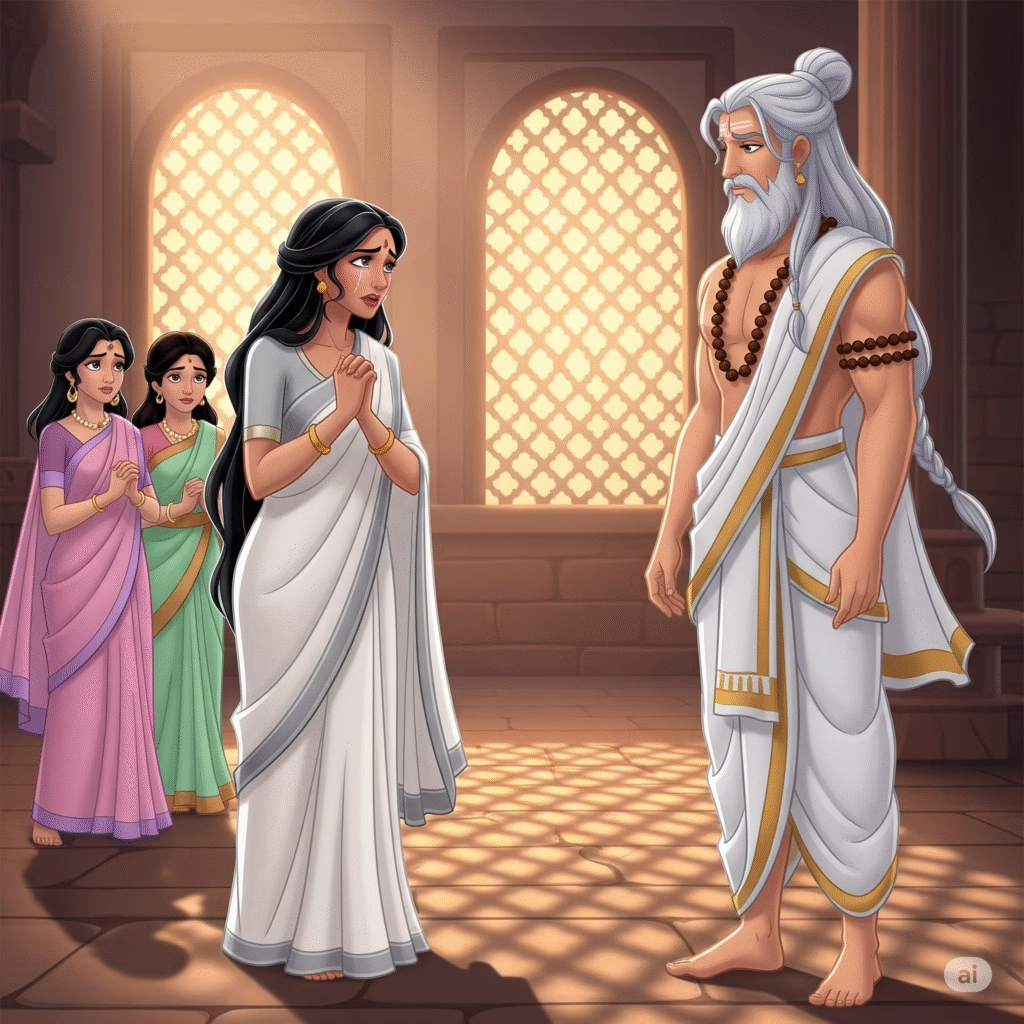
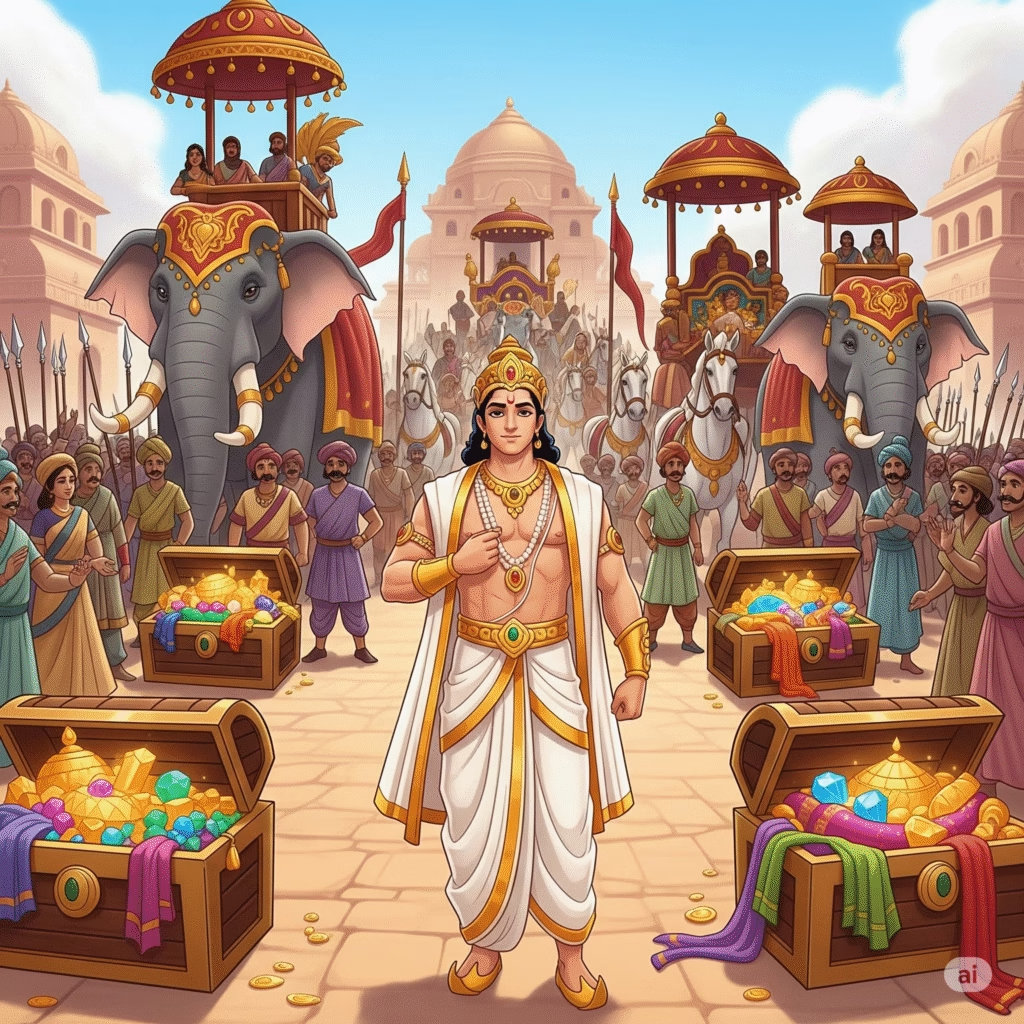
Miles away, in the golden city of Dwaraka, a different kind of energy stirred. Vasudeva and the Vrishni heroes sat in their assembly, their hearts heavy with the memory of their kinsman, Pandu. News had reached them through travelers: “The King has become a true ascetic. He lives on roots and fruits; he has conquered his senses; he is a master of Yoga.” While the world remembered Pandu as a conqueror of lands, he was now a conqueror of the self. Yet, the bonds of family remained. Vasudeva, moved by affection, sent his family priest, Kashyapa, on a long journey to the mountains. With him went a caravan of gifts—silks, ornaments, cattle, and gold—to ensure that the sons of Kunti and Madri received the Samskaras (sacred rites) befitting princes of the Kuru line.
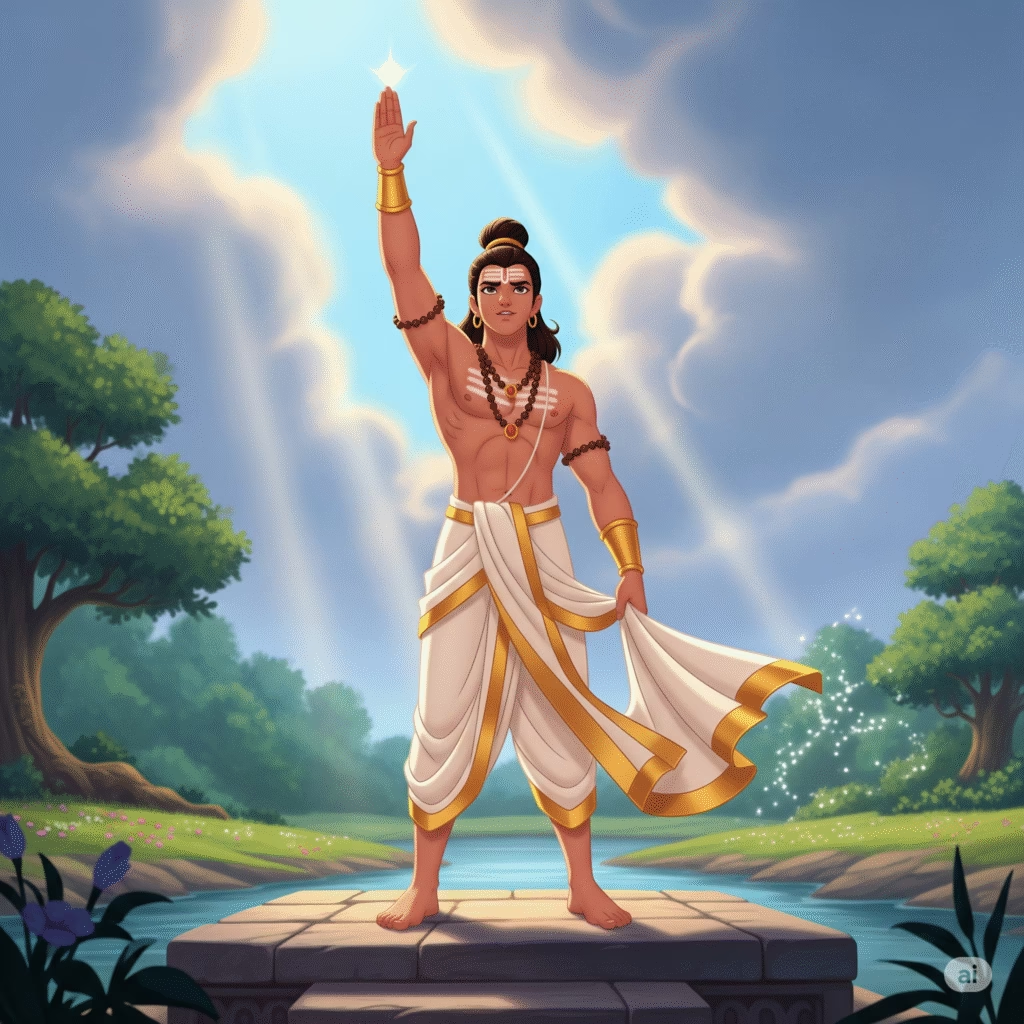
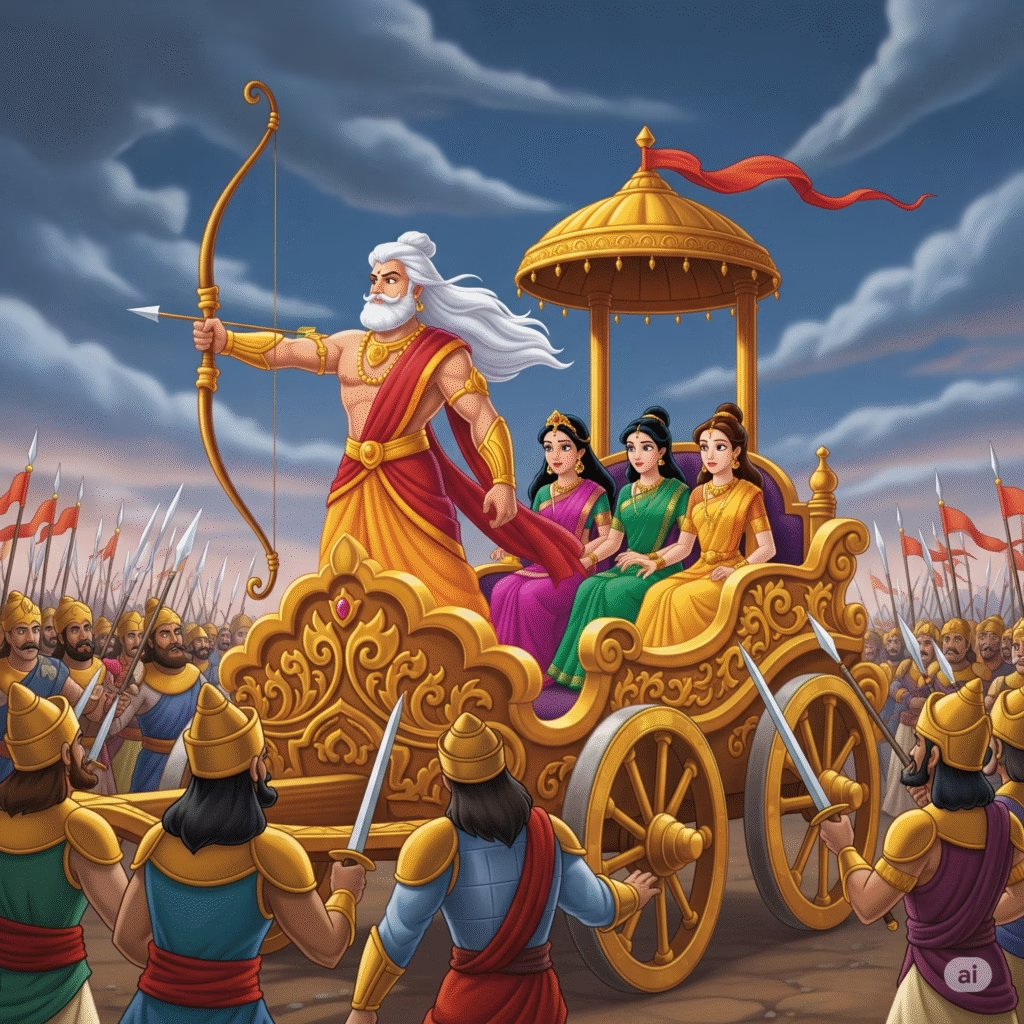
Under the guidance of Kashyapa and the royal sage Shuka, the Pandavas blossomed. Shuka, a warrior-sage of the Sharyati lineage who had once ruled the earth, saw the latent fire in the boys. He trained them in the secret arts of war. Bhima became a master of the mace, his strength echoing the mountains themselves. The twins, Nakula and Sahadeva, became unmatched in the art of the sword and shield. But it was Arjuna who caught the eye of the divine. When Arjuna completed his fourteenth year, Sage Shuka realized the boy had surpassed even his own skill. In a moment of deep pride, the sage gifted Arjuna a celestial bow—massive, glowing like the sun—and quivers filled with arrows adorned with vulture feathers, looking like venomous serpents ready to strike. Arjuna felt a surge of power; he knew then that no king on earth could match his brilliance.
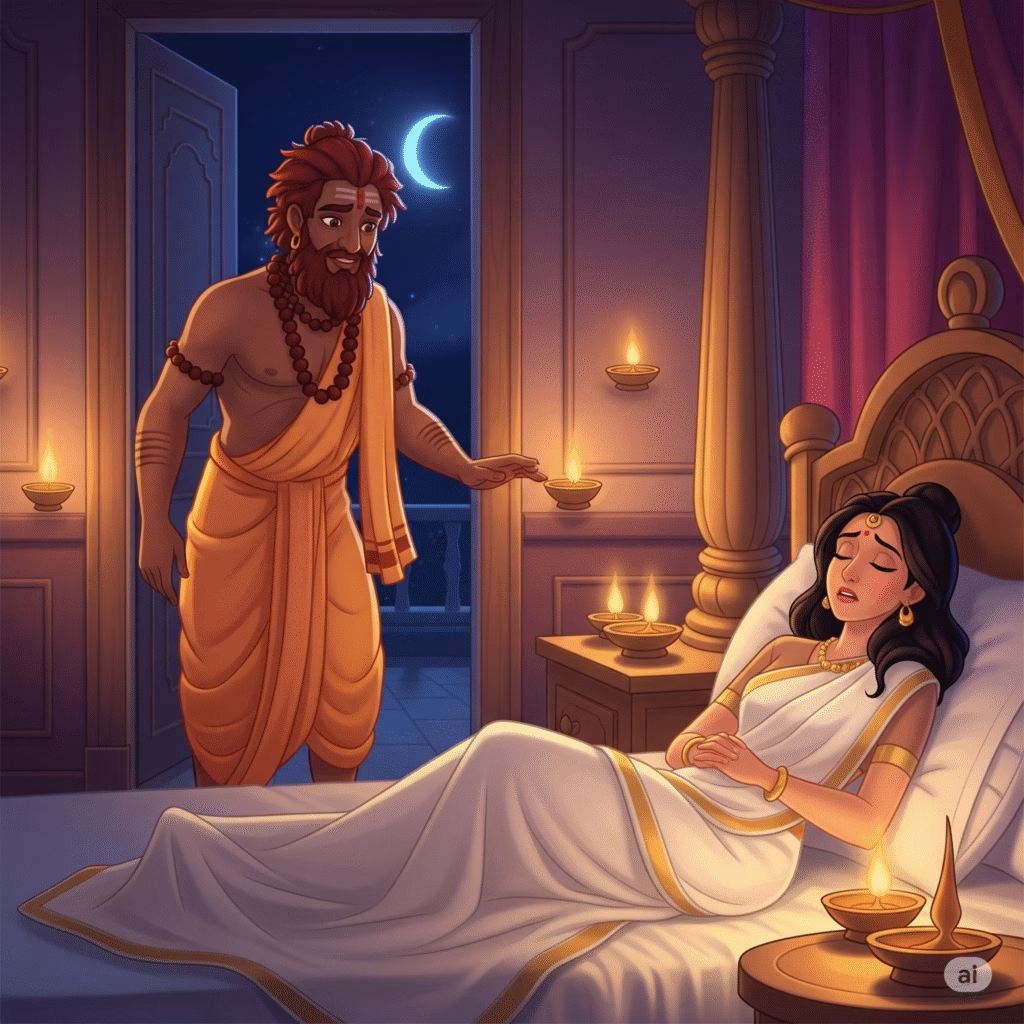
The forest was at its most beautiful. It was the transition between Chaitra and Vaishakha—the peak of Spring. The Palasa trees were in full bloom, looking like tongues of fire licking the sky. The air was a heavy perfume of mango blossoms and jasmine. Lotuses danced in the ponds, their petals opening like the eyes of the goddesses. On this fateful day, Kunti was preoccupied. It was the anniversary of Arjuna’s birth, and she was busy serving the Brahmanas, immersed in the kitchen and the rituals. For a brief window, the king was left alone. Pandu wandered into the deep woods. The sensory overload of the forest—the humming of bees, the vibrant colors, the soft breeze—began to erode the stone wall of discipline he had built over years of celibacy. Then, he saw her.
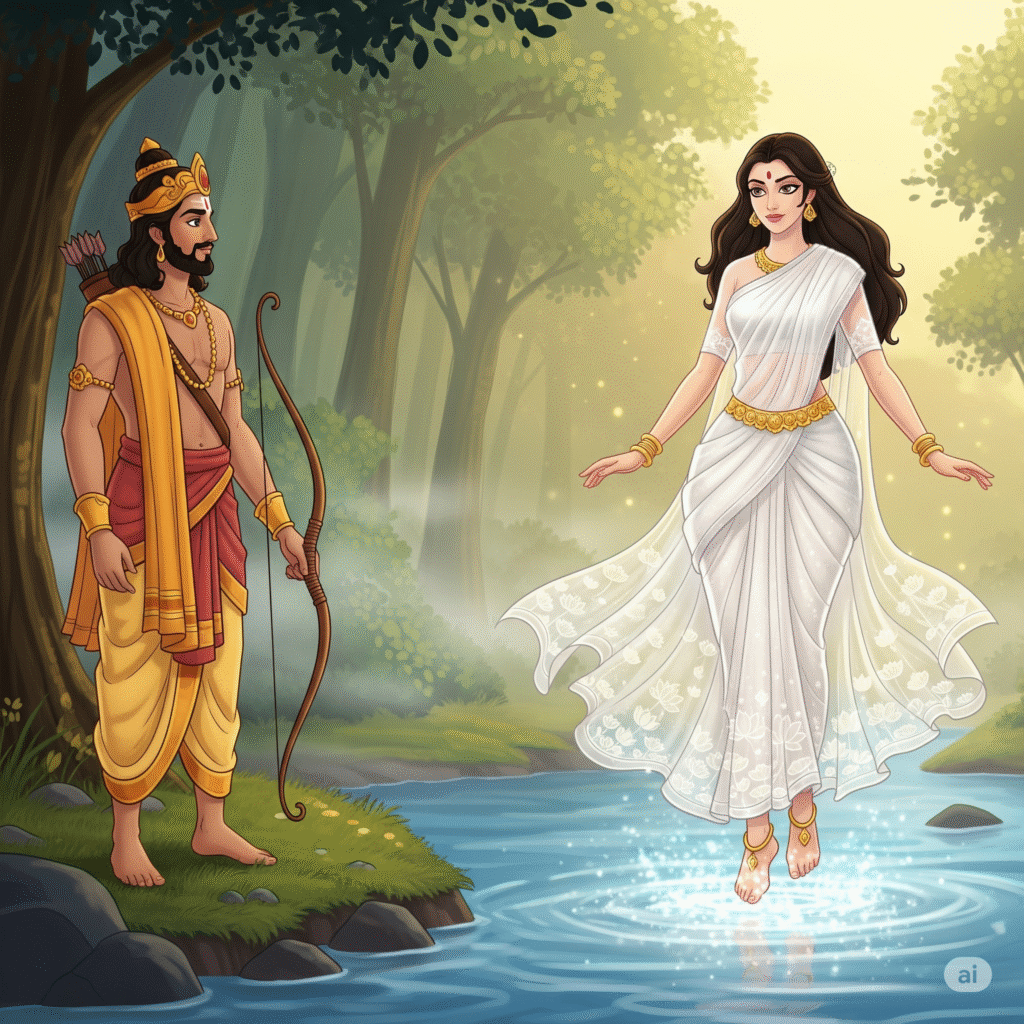
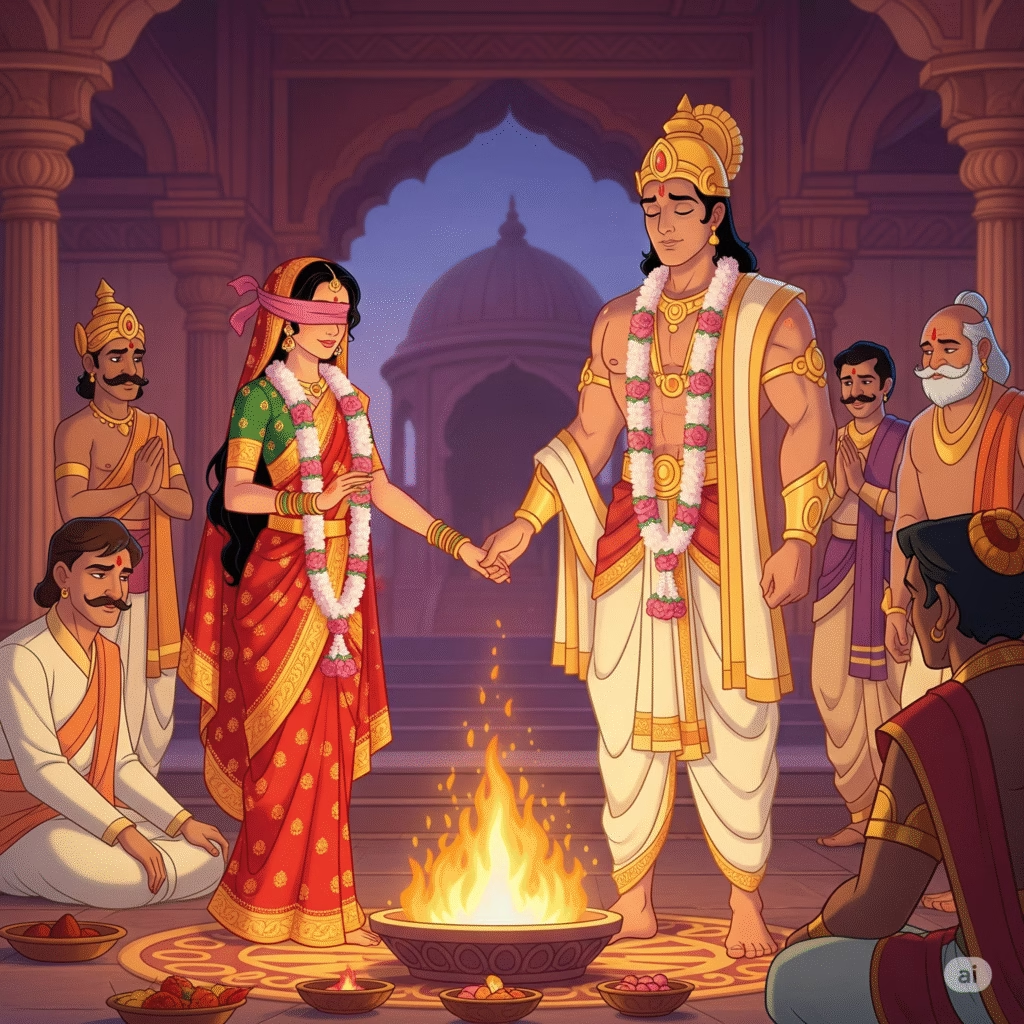
Madri was walking behind him, her youth radiant in the dappled sunlight. She wore a fine, thin silk garment that caught the breeze. In that moment, the years of meditation, the vows of the forest, and even the terrifying curse of Sage Kindama vanished from Pandu’s mind. The curse was clear: “The moment you unite with your wife in desire, death will claim you.” But Pandu was no longer a king or a sage; he was a man consumed by an internal wildfire. Madri saw the look in his eyes and trembled. She tried to retreat. She reminded him of the curse. She pleaded with him to remember his vows, his sons, and his life. She fought his embrace with all her strength. But Pandu’s intellect had been stolen by Kala (Time/Fate).
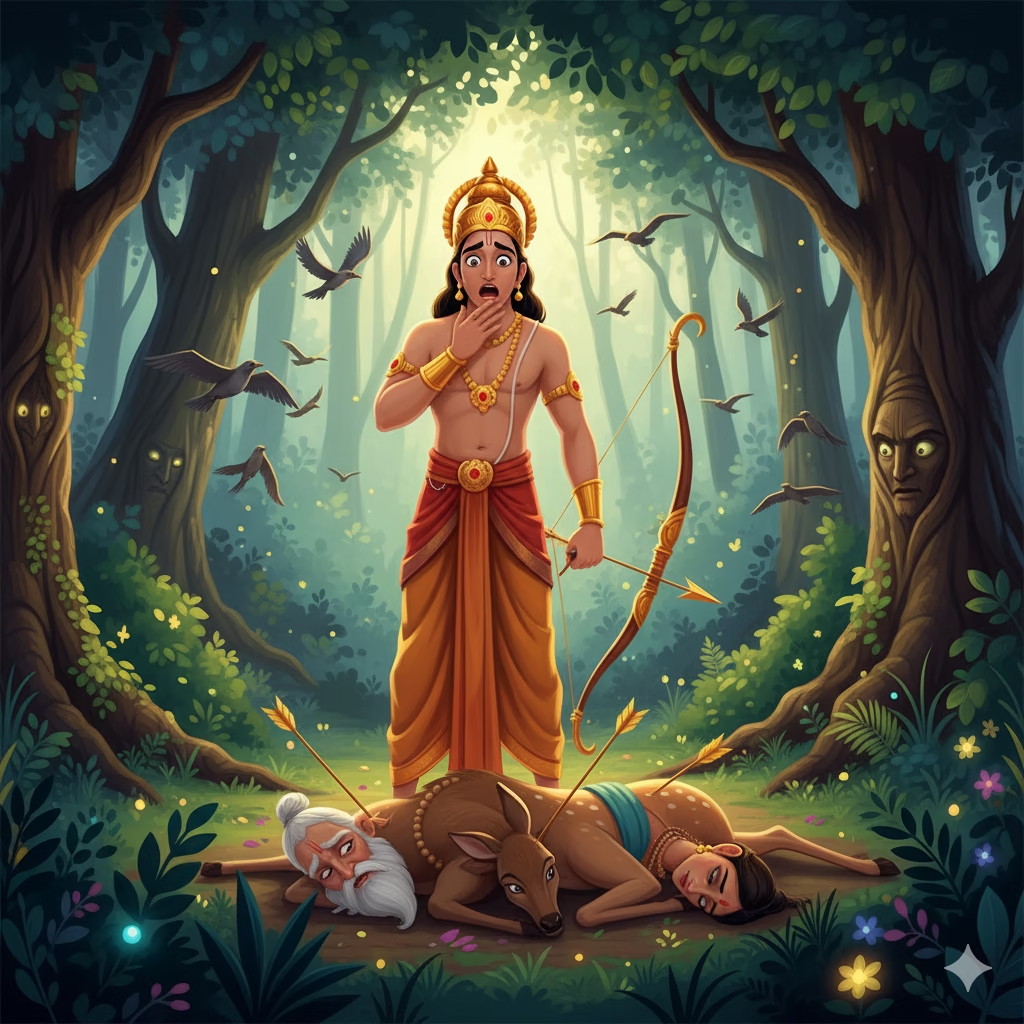
Destiny clouded his mind, and he disregarded the fear of the curse to meet his own end*.*” In that secluded grove, under the blooming trees, Pandu forcibly embraced Madri. At the very peak of his desire, the curse struck like a lightning bolt. The heart that beat with passion suddenly stopped. The great King of the Kurus, the man who had renounced a throne for the forest, fell lifeless to the mossy ground. The silence that followed was deafening. The vibrant forest, just moments ago a paradise of love, had become a graveyard.
King Pandu’s fall is not a story about lust. It is a story about forgetfulness. For years, Pandu had mastered his senses. He lived like an ascetic, ate sparingly, breathed consciously, and ruled his inner world with discipline. From the outside, he looked victorious. The world saw a man who had conquered desire. But the Mahabharata reminds us of a subtle truth: self-control is not a possession; it is a practice renewed every moment. Pandu’s tragedy unfolds not because desire appears—desire is natural—but because awareness disappears. In the forest, when the senses are flooded with beauty, sound, scent, and movement, the mind slips. Kala—Time—does not attack with force; it distracts. In that distraction, memory of dharma fades. What remains is impulse without intelligence. The curse of Kindama was not merely a supernatural punishment. It was a psychological law: when desire is acted upon without awareness, it carries its own death. The death may not always be physical, but something always dies—clarity, trust, or inner peace. Pandu’s heart stops not at the moment of love, but at the moment reason surrenders. This is why the Mahabharata places this event in spring. Spring represents renewal, beauty, and abundance—but also vulnerability. When life feels most alive, vigilance feels unnecessary. Pandu teaches us that danger does not come in darkness alone; it often comes wrapped in beauty.
The deeper lesson is uncomfortable: Years of discipline do not protect us from a single unguarded moment. Spiritual growth does not make us invincible; it makes us responsible. Dharma is not a past achievement—it is present attention. Pandu loses not because he desired, but because he believed he had risen beyond desire. In that belief, humility vanished. And where humility ends, collapse begins.Every time we say, “I am past this now,” we step into Pandu’s forest. Every time we relax awareness because of past victories, Kala waits. The Mahabharata does not ask us to renounce life. It asks us to remain awake while living it.
Journaling Prompts
- What kind of beauty makes you forget your values—without you noticing? Is it comfort, praise, love, success, or loneliness?
- Which discipline in your life is becoming mechanical rather than conscious? How can you bring attention back without force?
- What has already “died” in your life because you ignored awareness— peace, trust, clarity, or self-respect?