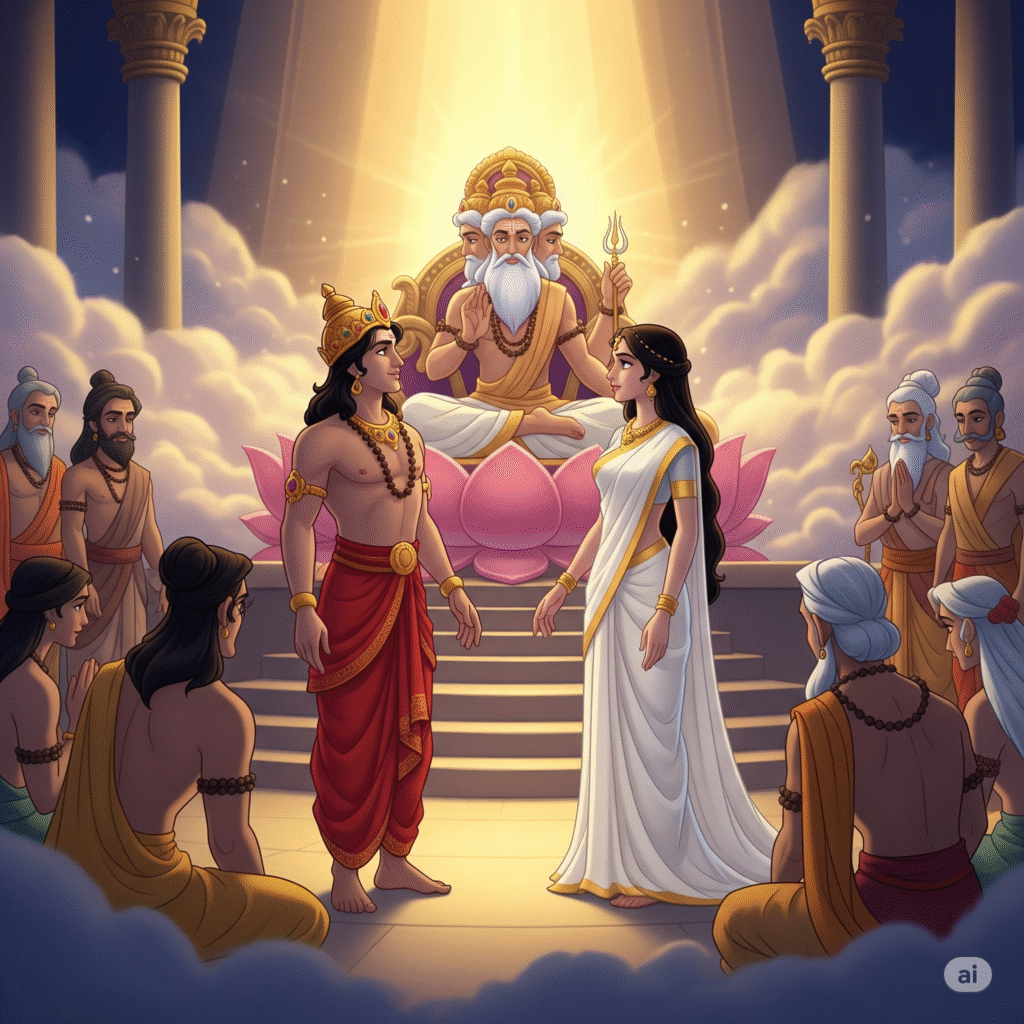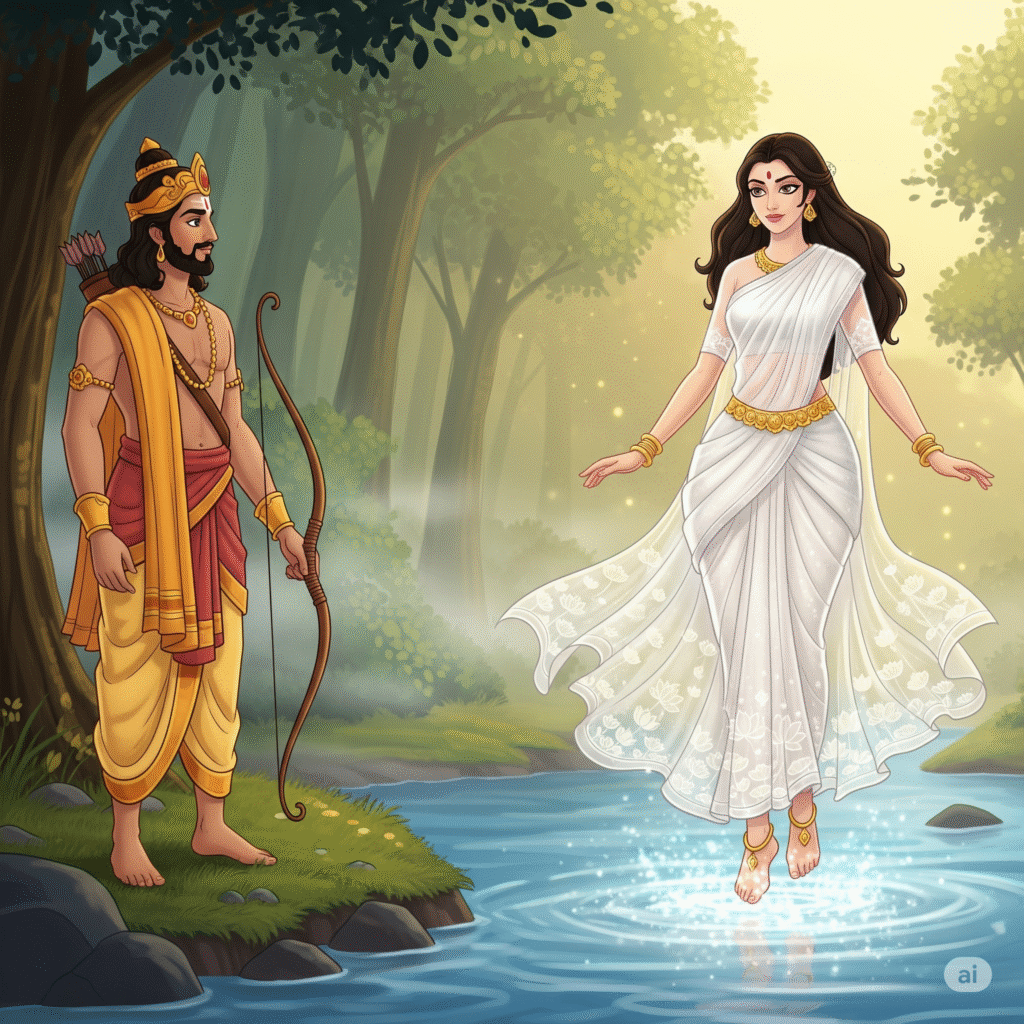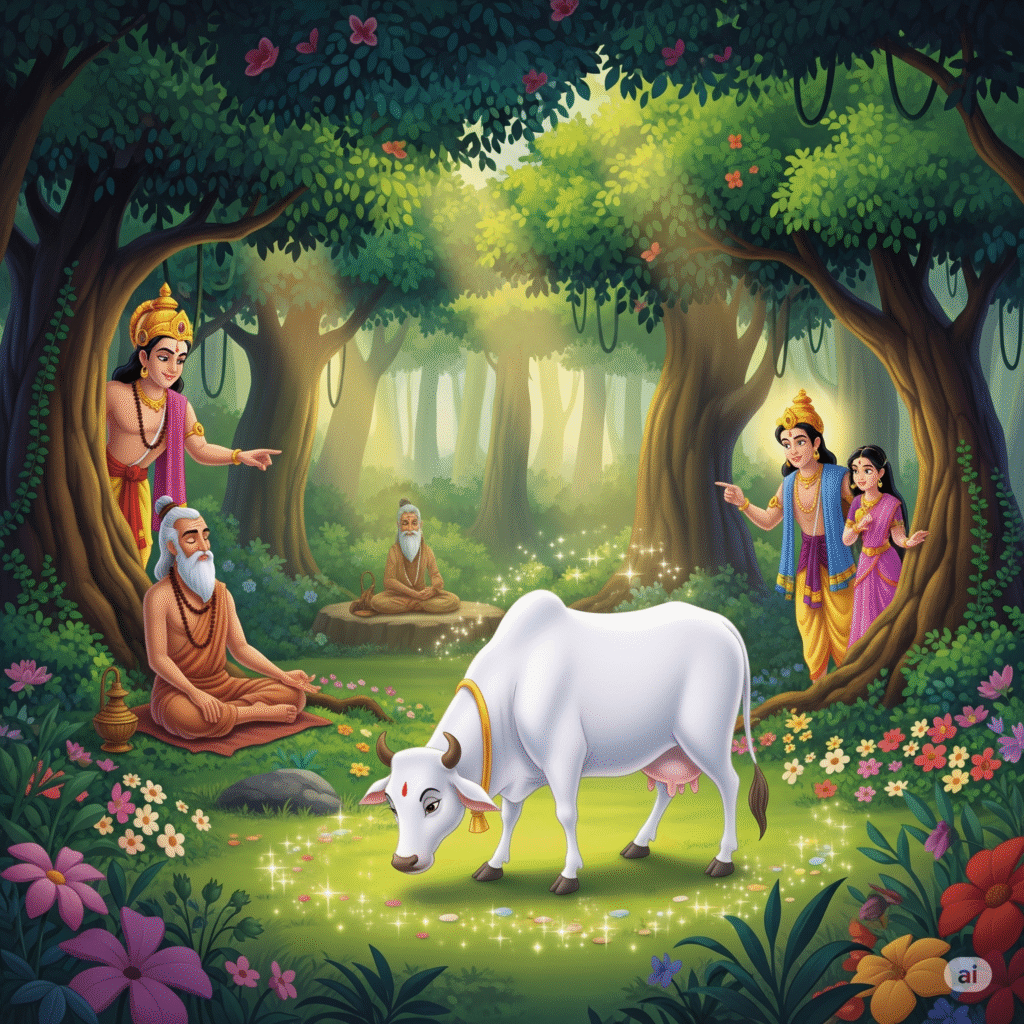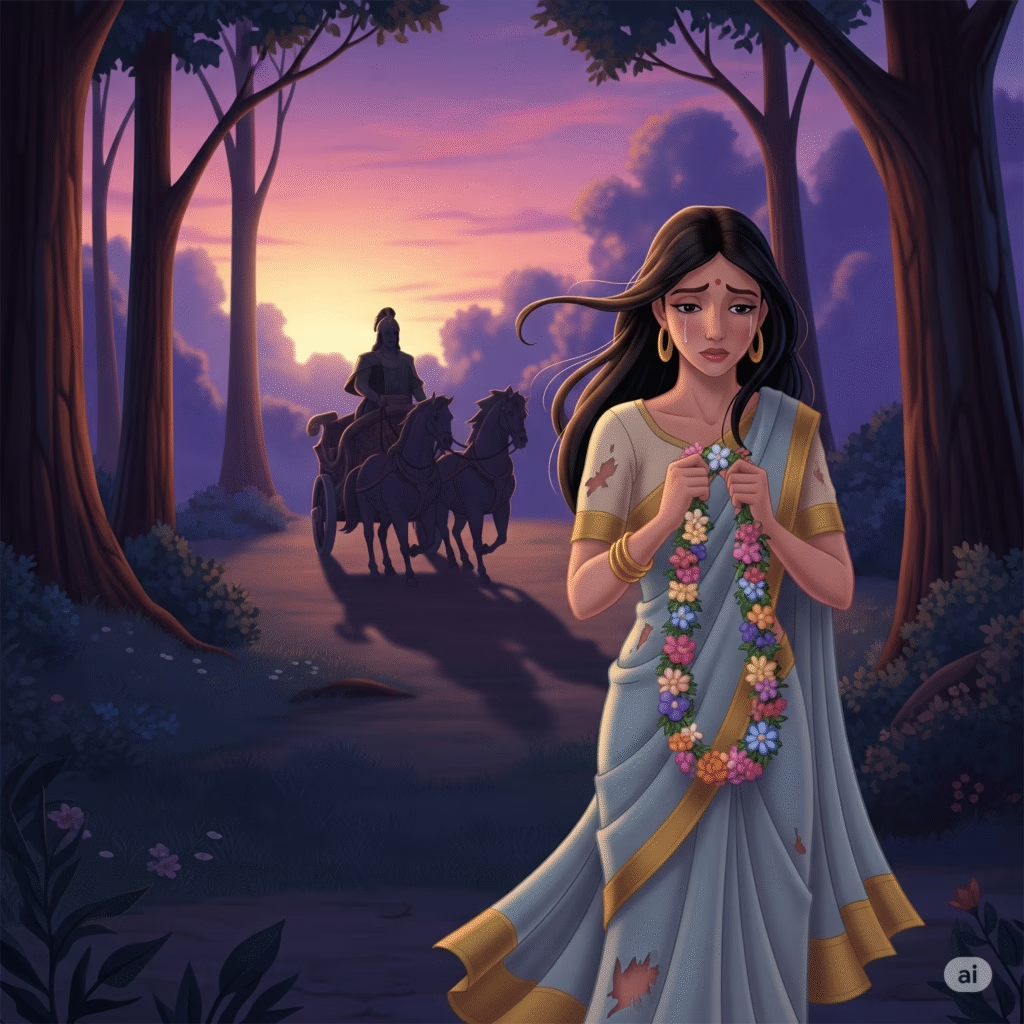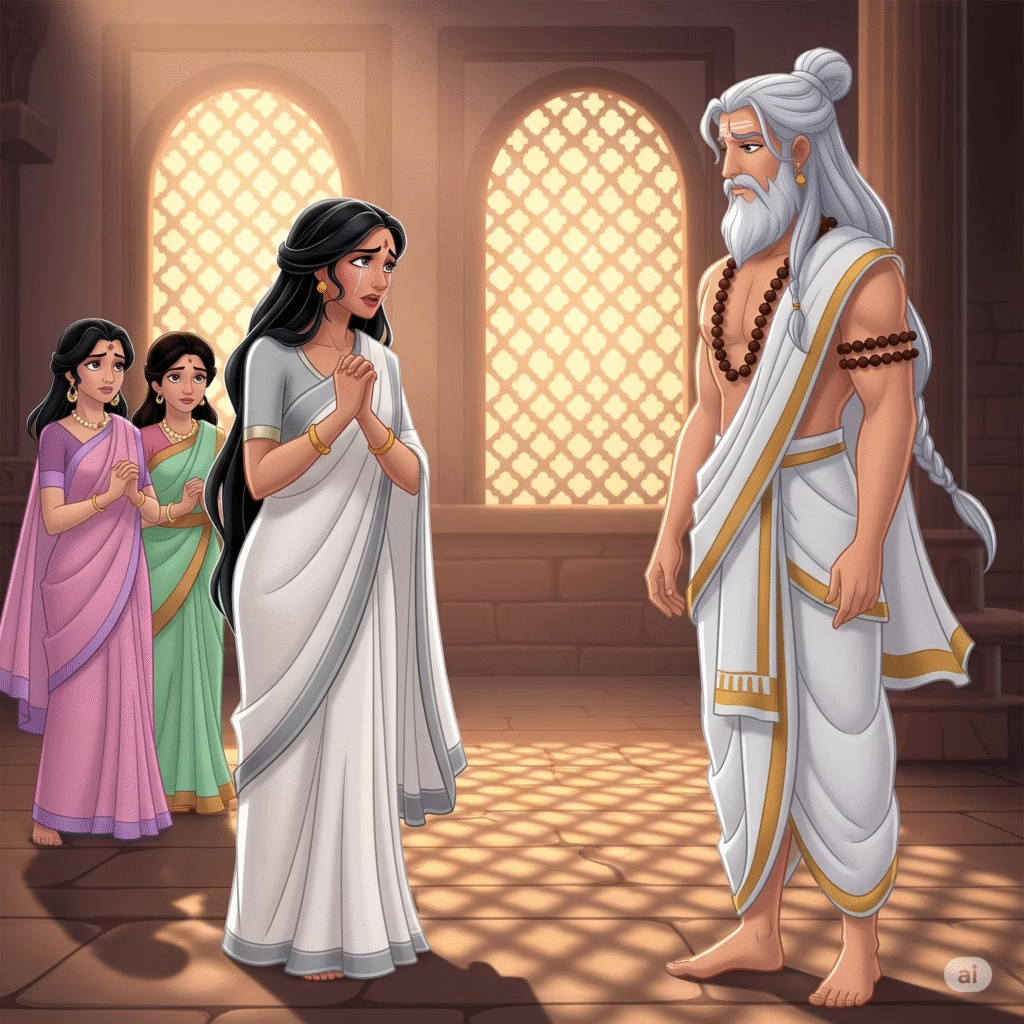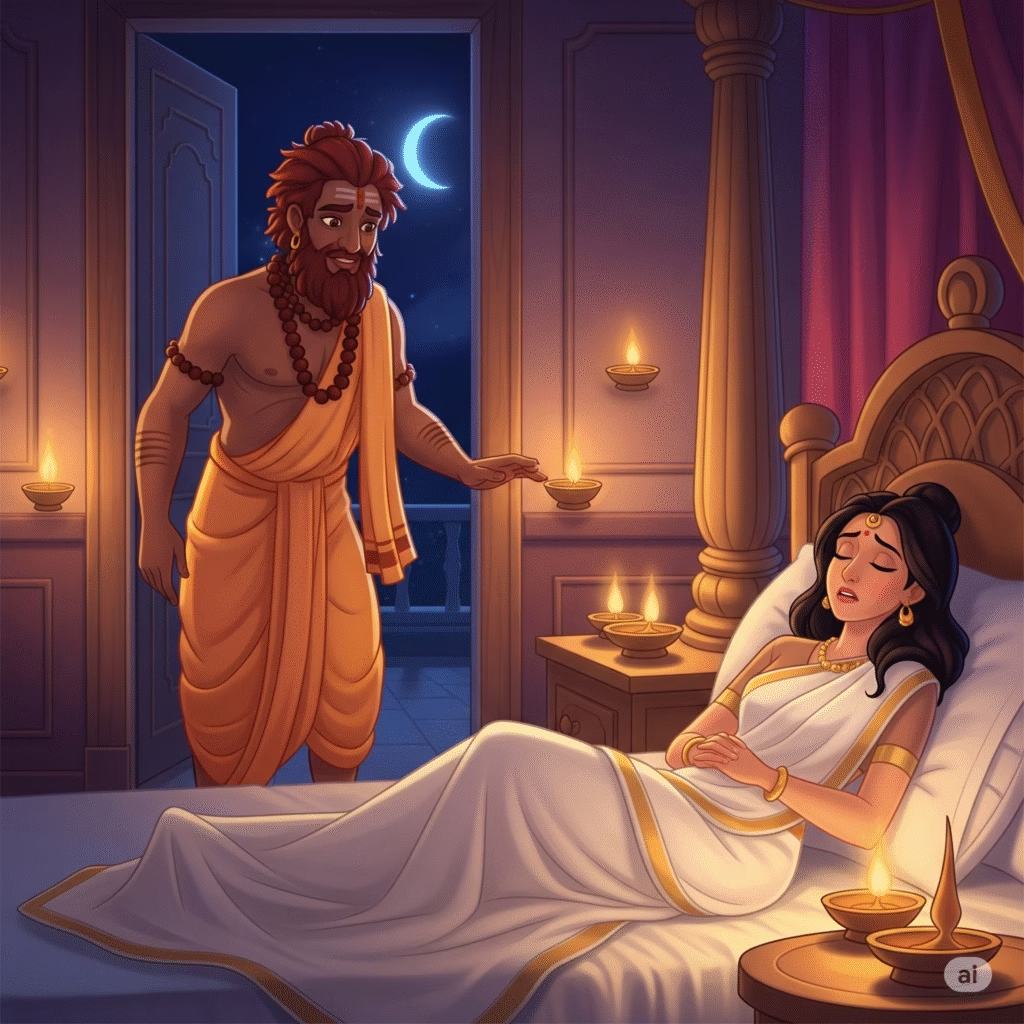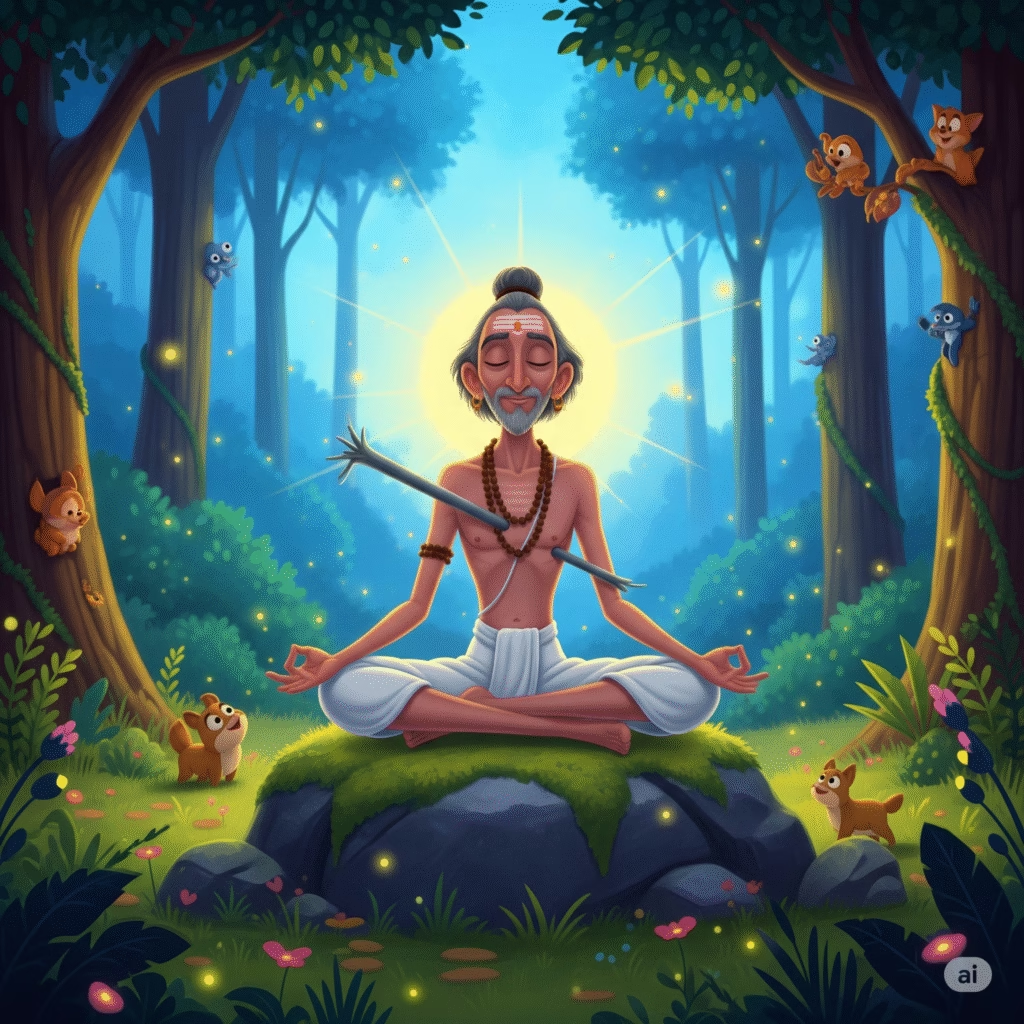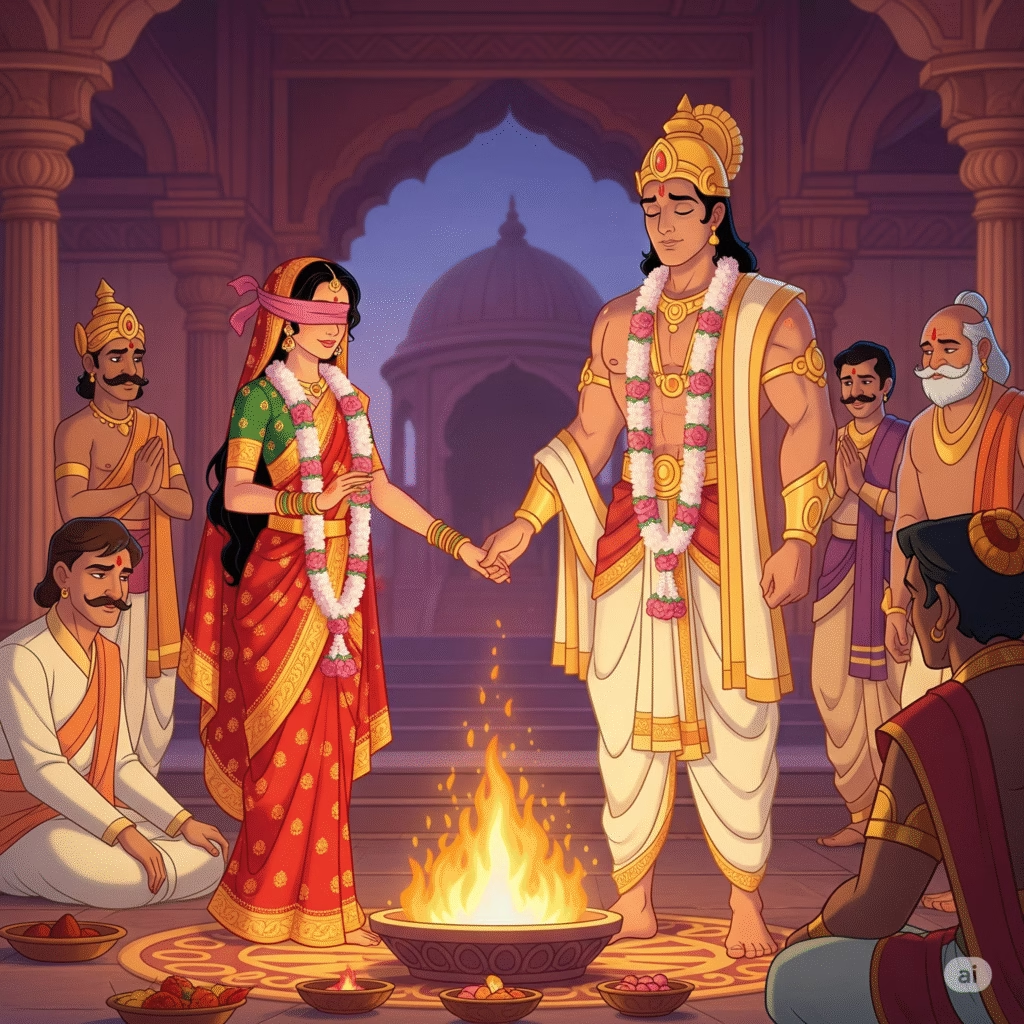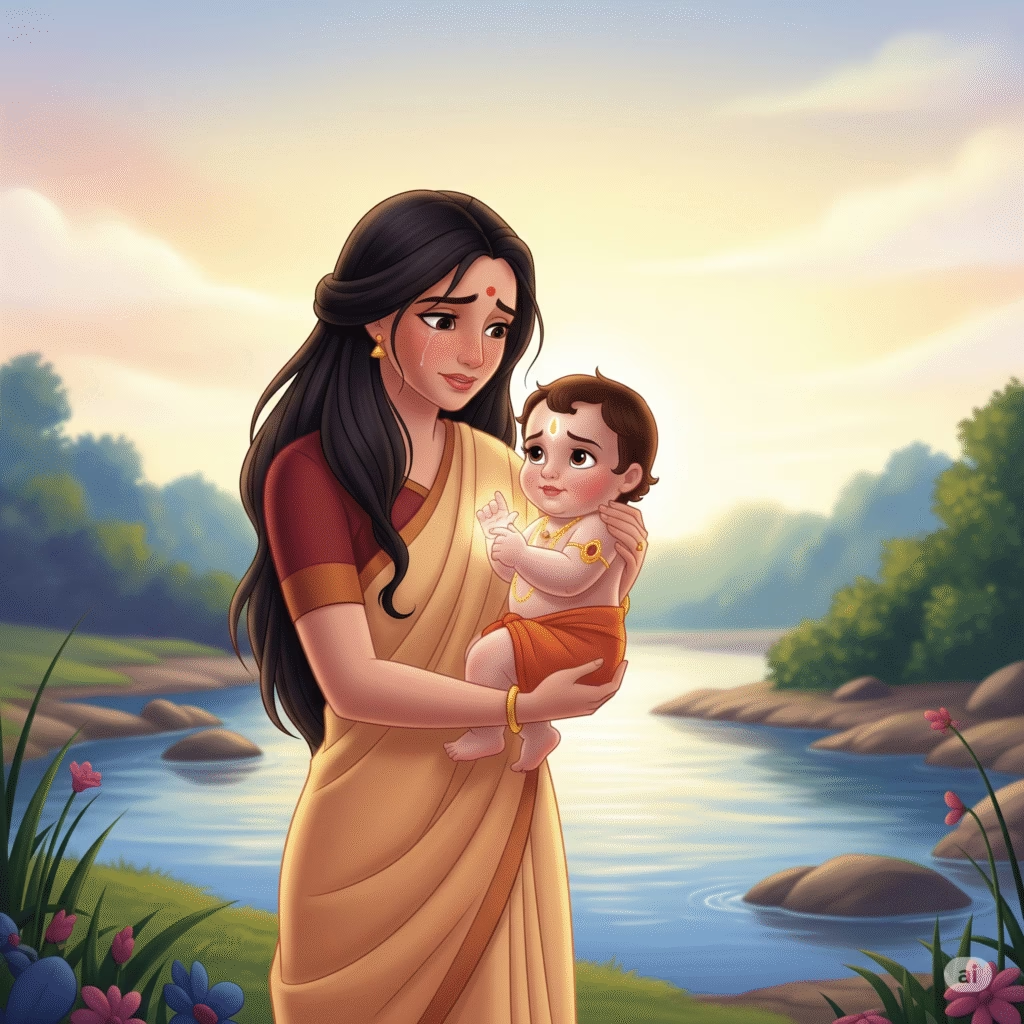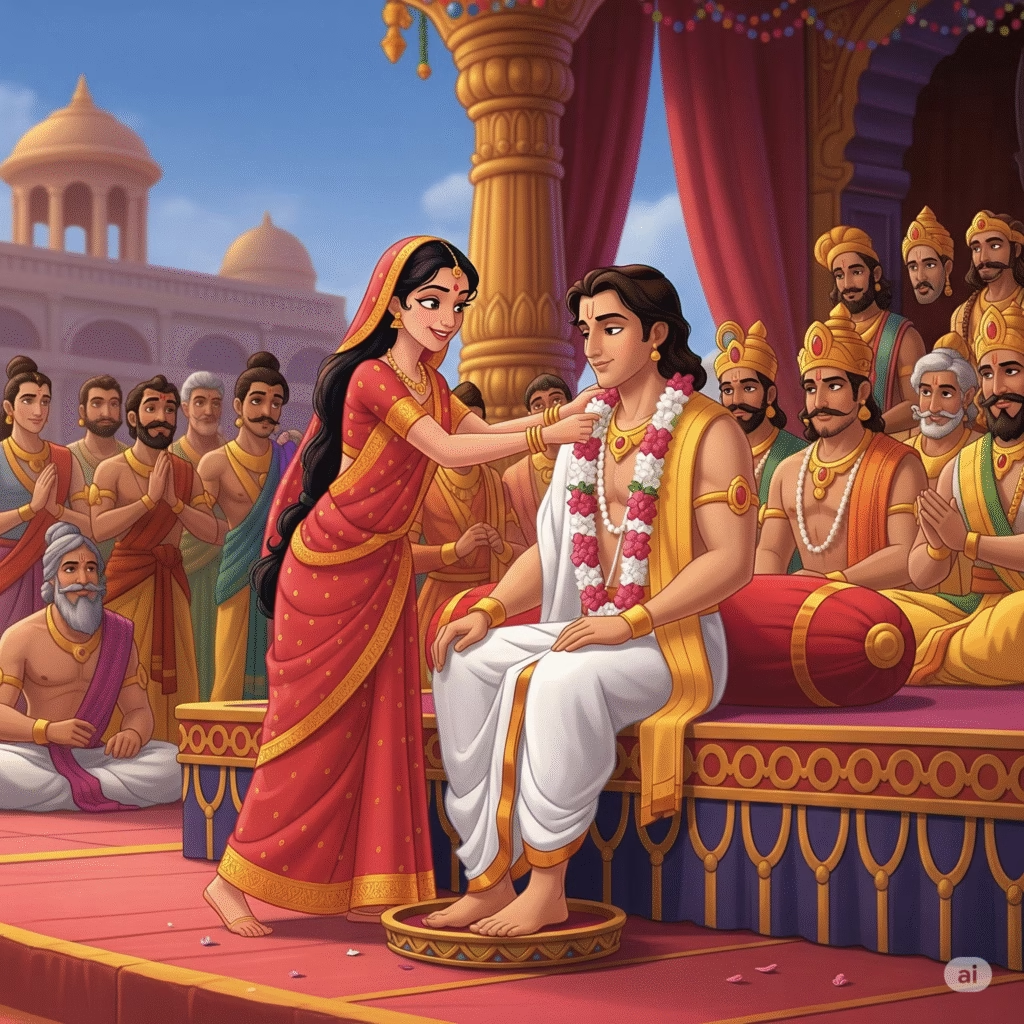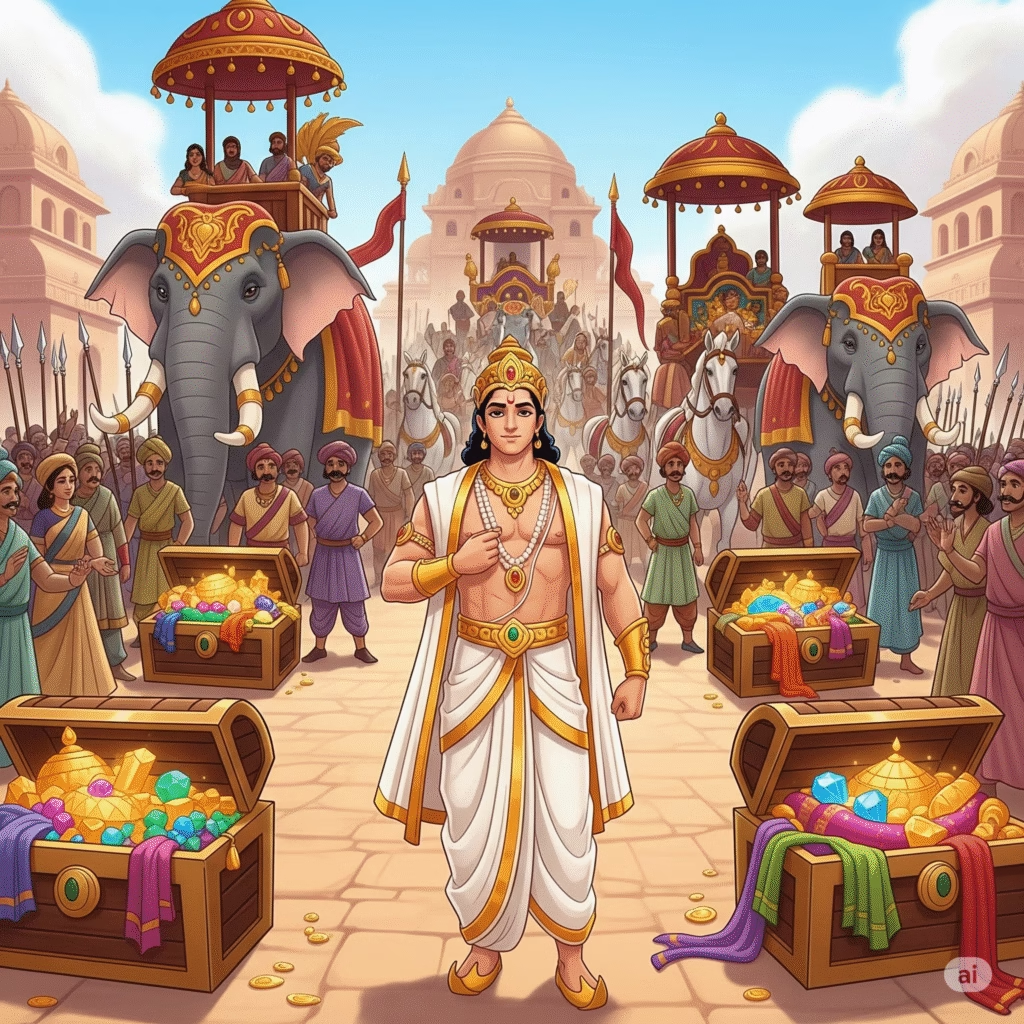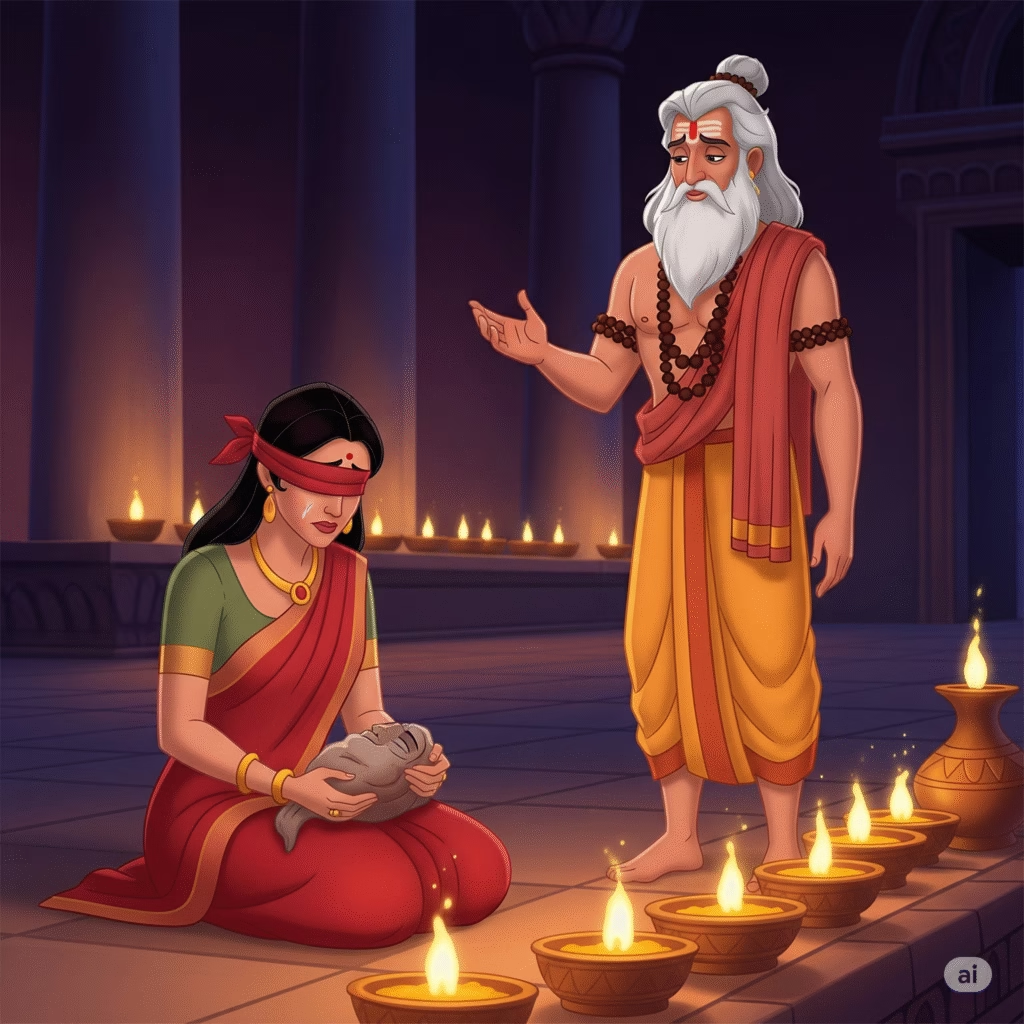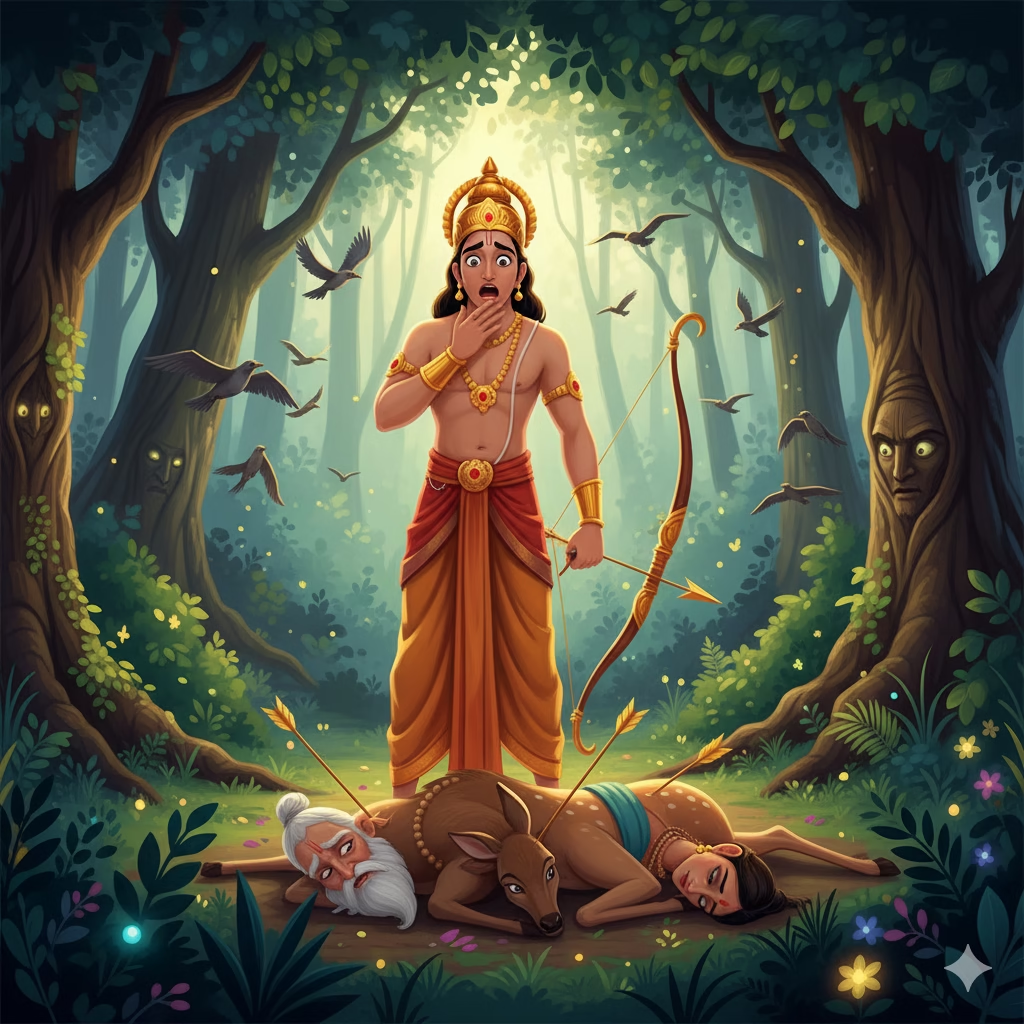
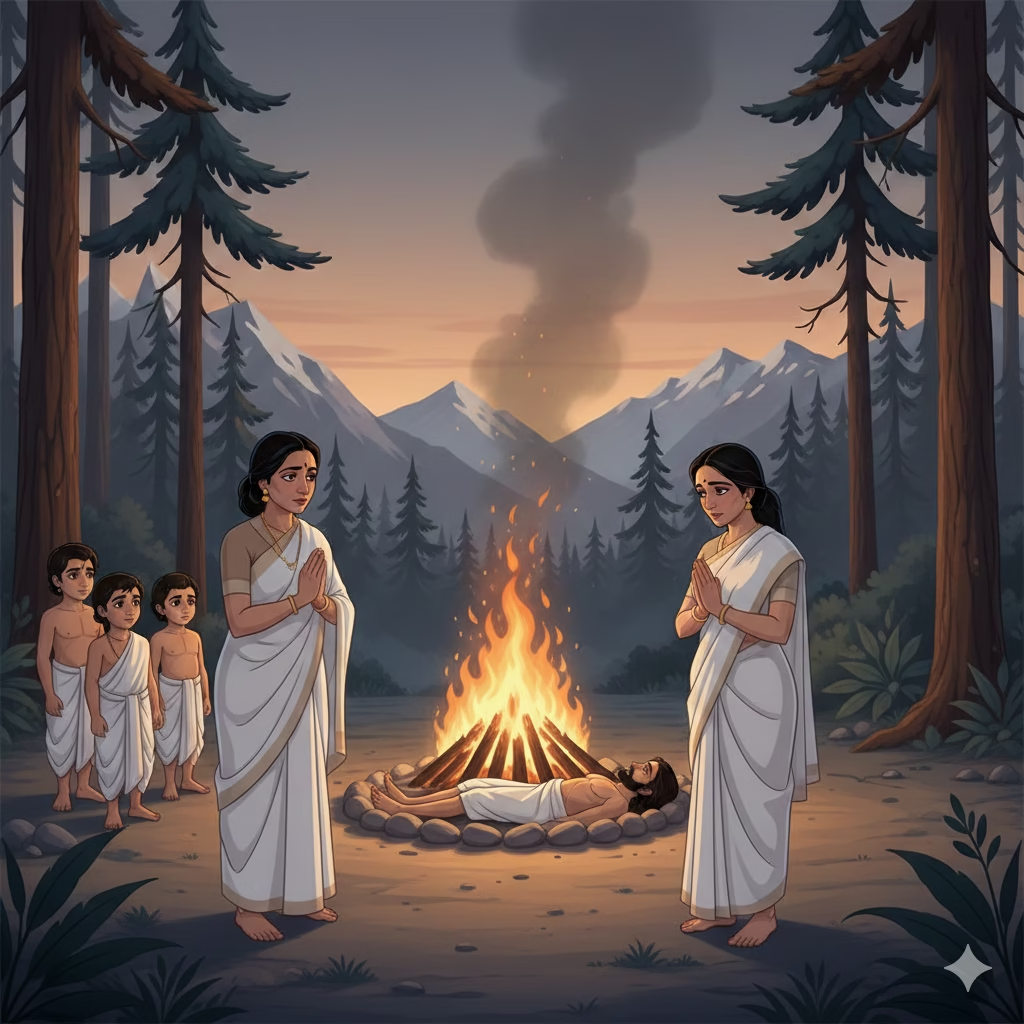
The air in the Shata-shringa mountains was usually thin and pure, but today, it was heavy with the scent of burning wood and the sound of a hollow, gut-wrenching wail. King Pandu, the man who had traded a crown for a hermit’s life, lay dead. Beside him, Madri, the princess of Madra, was collapsed in a heap of grief. She clutched his lifeless body, her voice trembling as she whispered to the wind, apologizing to a man who could no longer hear her. When Kunti arrived with the five young princes—Yudhisthira, Bhima, Arjuna, Nakula, and Sahadeva—the scene was frozen in a nightmare. Madri looked up, her eyes wild with guilt, and shouted, “Sister! Come alone! Leave the children there!” Kunti halted the boys. She stepped forward and saw the truth. Pandu was gone. The curse of the Rishi Kindama had finally claimed its price. The King, who was forbidden from intimacy upon pain of death, had succumbed to a moment of overwhelming desire for Madri.
Kunti’s grief was not silent; it was a fire. She looked at Madri and the words poured out like molten lead: “I protected him, Madri! I kept watch over his senses even when he knew the curse was a death sentence. How could you let this happen? Why did you lure him in the solitude of the forest?” Madri did not offer excuses. She wept, admitting that the King had been driven by a fate he seemed to want to fulfill. “I tried to stop him, Queen,” she sobbed, “but he was like a man possessed by a destiny he could no longer outrun.” As they looked at Pandu, he almost seemed to be smiling, as if a great burden had been lifted. But for the two widows, the burden was only beginning.
In a display of devotion that modern hearts find difficult to grasp, both women claimed the right to follow their husband onto the funeral pyre (Sati). Kunti argued first: “I am the eldest wife. The highest fruits of Dharma belong to me. I will follow him. You, Madri, must stay. You are young, and these children need a mother’s care.” But Madri’s logic was rooted in a deeper, darker realization. She looked at Kunti and said, “Sister, you are the stronger one. You can raise my sons, Nakula and Sahadeva, as your own. But I… I cannot be impartial. If I live, I fear I will favor my own blood over yours, and that sin will destroy this family.” Madri continued with a haunting honesty: “Moreover, the King died because of his desire for me. If I do not join him now, his soul will remain unsatisfied in the afterlife. I must go to quench the fire I started.”
The sages tried to intervene, reminding them of their duty to the young princes. But Madri’s resolve was like stone. She turned to the young Yudhisthira and his brothers. She touched their heads one last time and gave them a mandate that would define the rest of the Mahabharata: “Kunti is your mother now. I was just the one who gave you milk. Follow Yudhisthira. Serve your elders. Never turn your back on Satya and Dharma. Those who walk this path are never defeated.”
With a final bow to Kunti, asking for her blessing and forgiveness, Madri stepped into the flames. She chose to be consumed by the same fire that took her husband, leaving Kunti to walk back into the world of men, carrying the weight of five fatherless sons and a kingdom that didn’t yet know they existed.
Pandu’s death ends a life—but it begins a far heavier test for those who remain. The Mahabharata shifts its gaze here from desire to responsibility, from impulse to aftermath. Madri’s grief is not only sorrow; it is guilt sharpened into certainty. She does not argue with fate, nor does she blame Pandu. She internalizes the event completely. In her mind, love has turned into debt, and debt demands payment. This is not romance—it is the terrifying logic of someone who believes that existence itself has become a moral imbalance. Kunti’s grief takes a different shape. Hers is not collapse, but fire. She represents dharma as vigilance—rules held together by effort, discipline maintained day after day. When she accuses Madri, she is not only blaming a sister-wife; she is defending the belief that order can be preserved if we are careful enough. Her anger is the cry of someone who tried to hold the world steady—and failed. Between them stands a terrible truth the Mahabharata does not soften: When a system breaks, someone will carry the blame—even if the cause was shared, layered, and shaped by fate.
Journaling Prompts
- Have I ever chosen silence or withdrawal instead of difficult presence? What was I hoping to protect—or avoid?
- Have I ever believed that my existence was causing harm to others? What emotion sat beneath that belief—guilt, fear, love, or exhaustion?