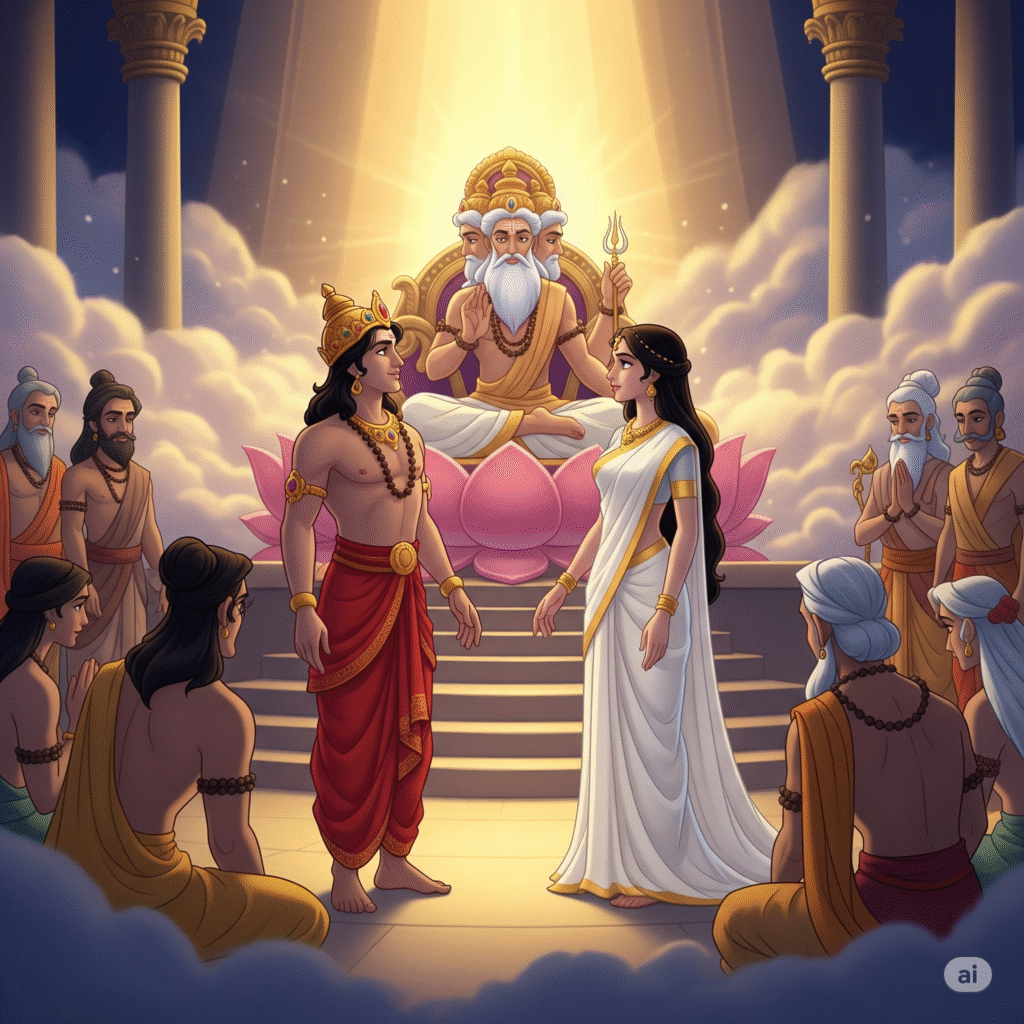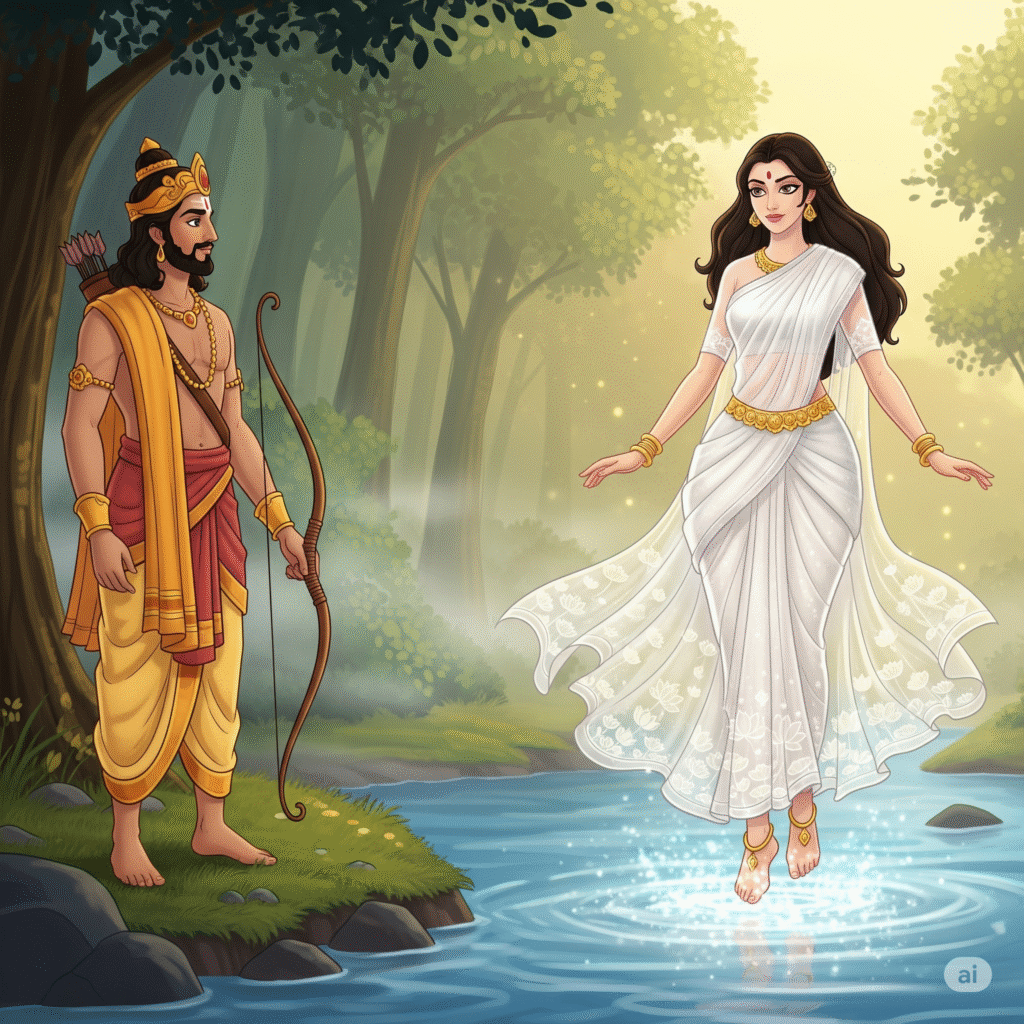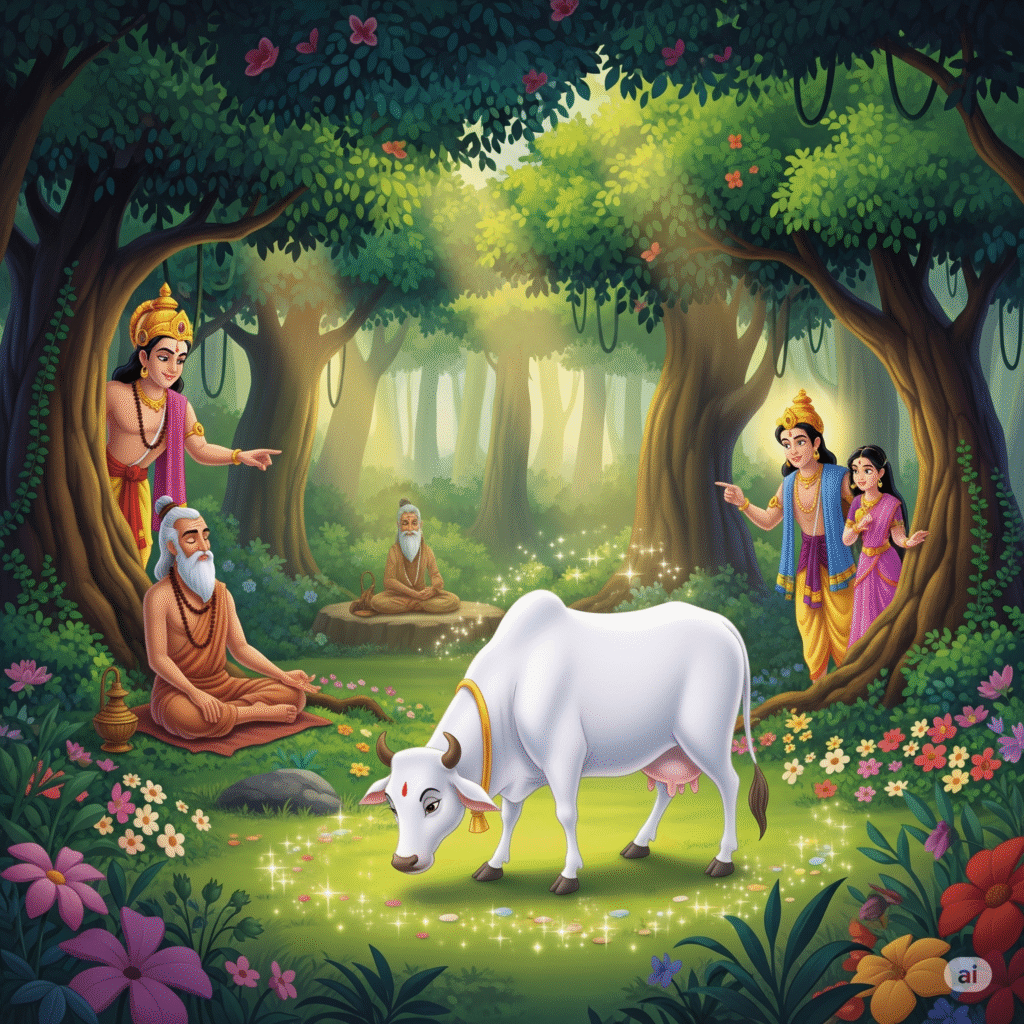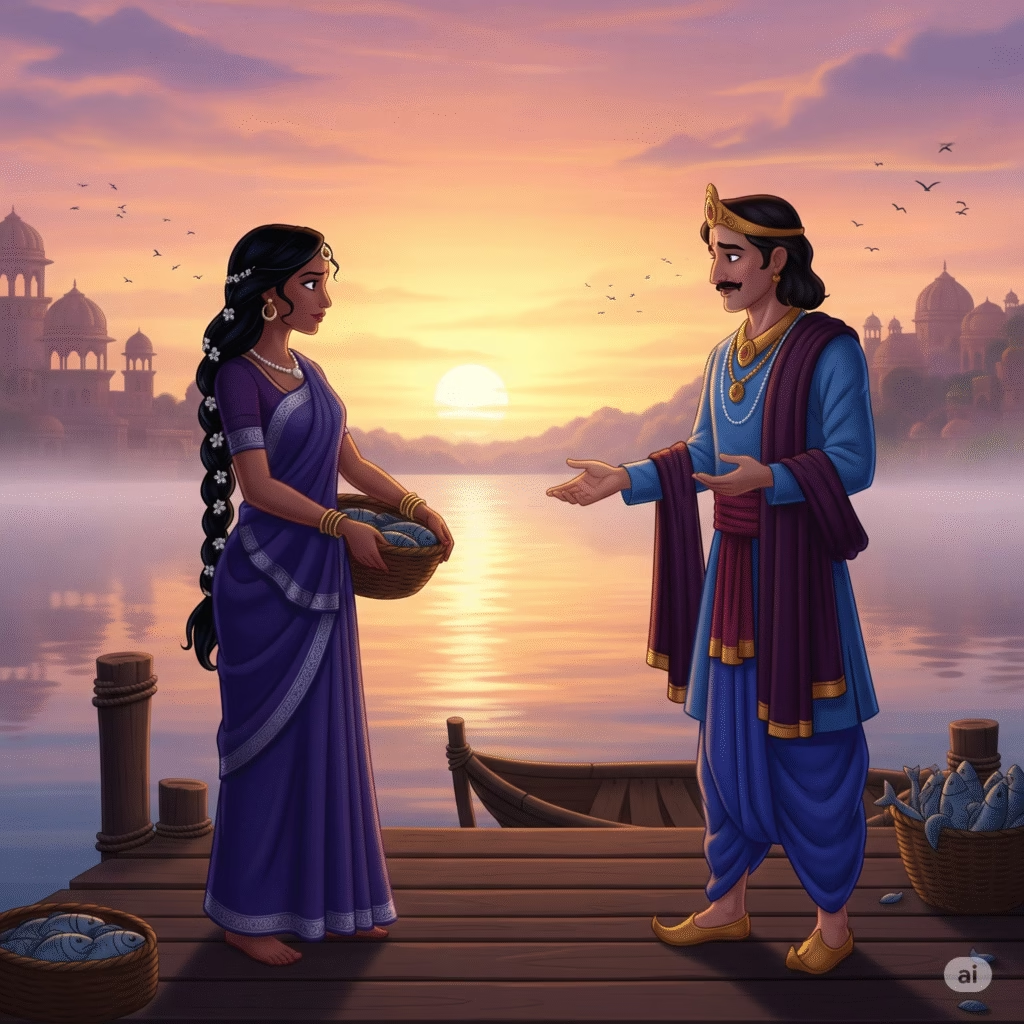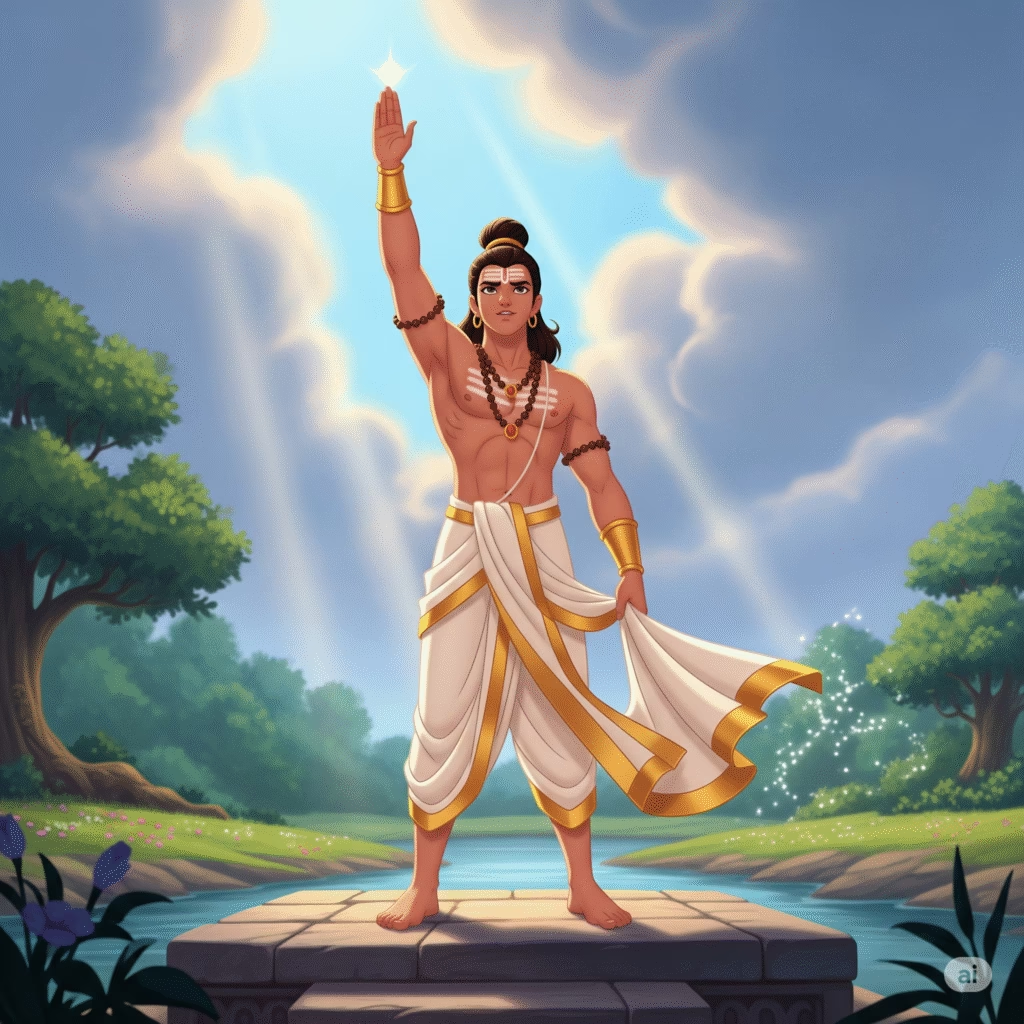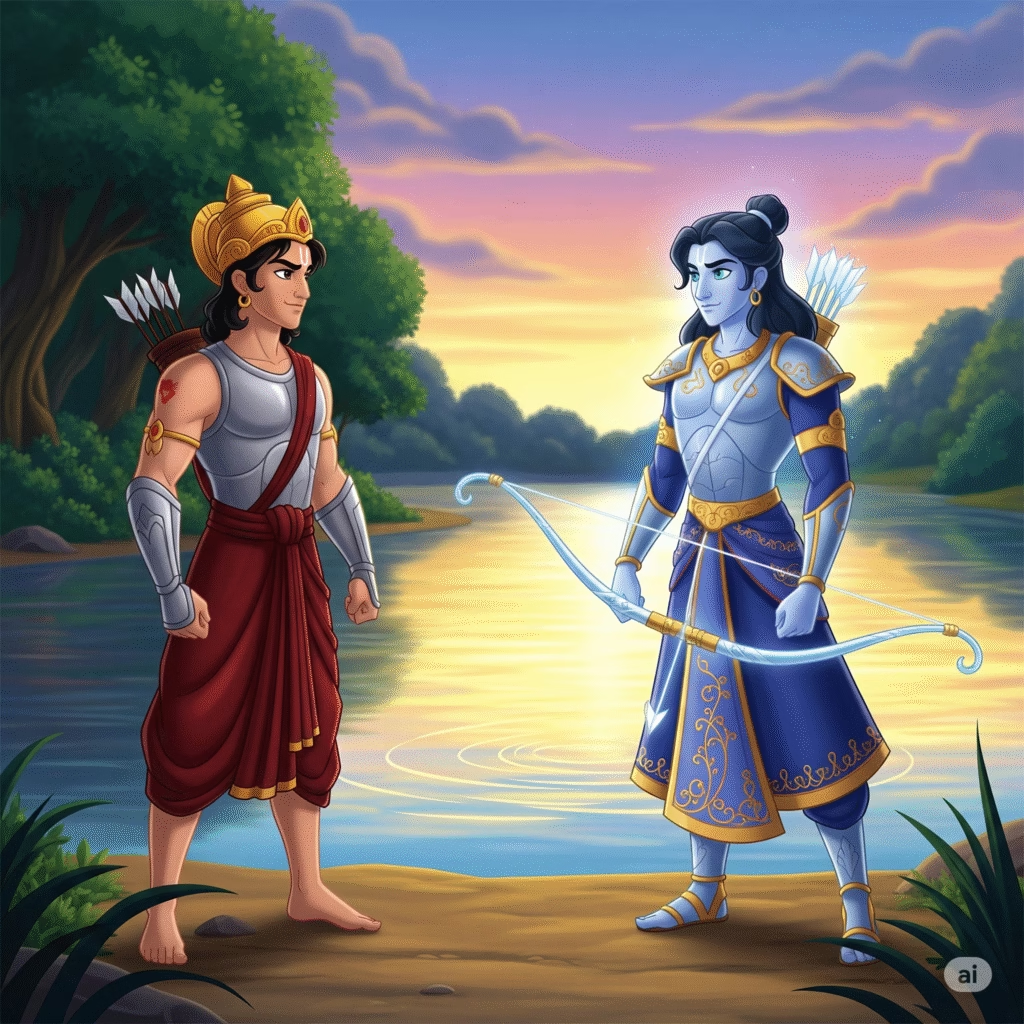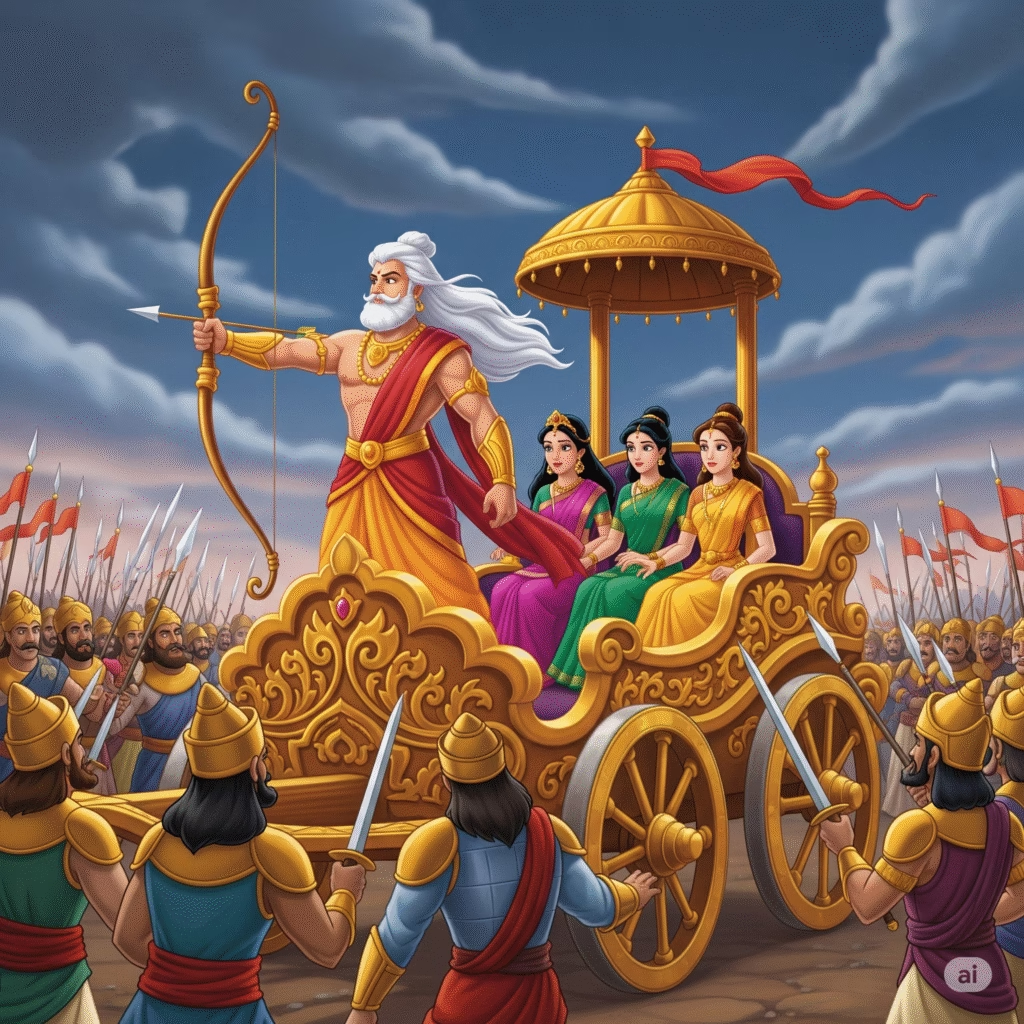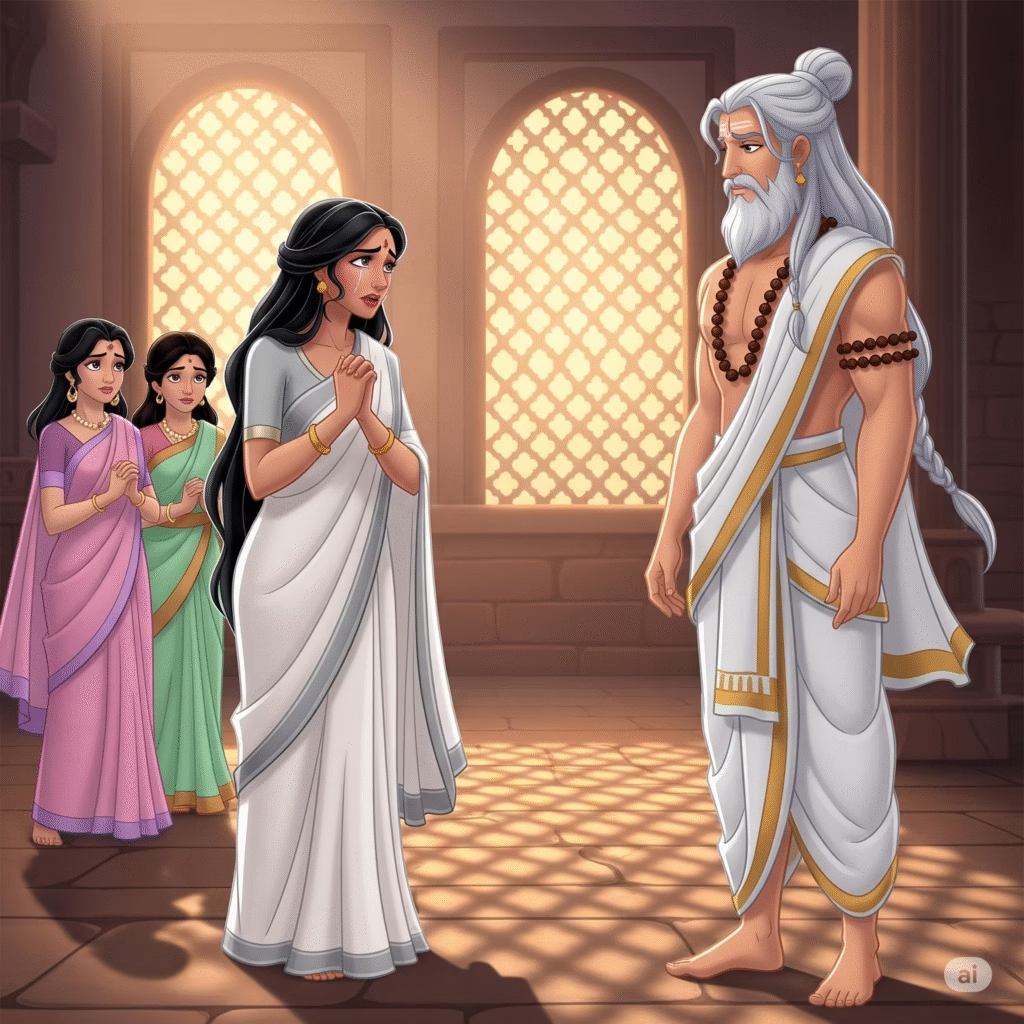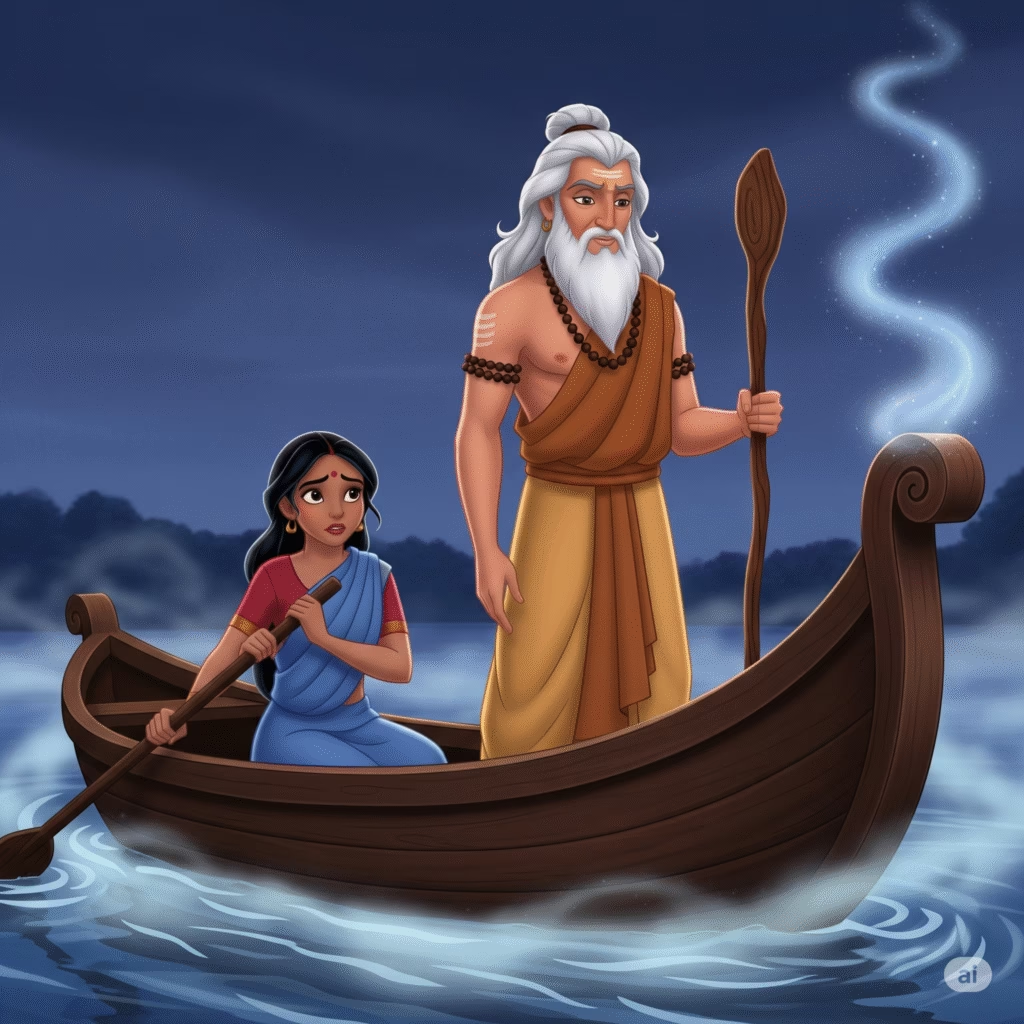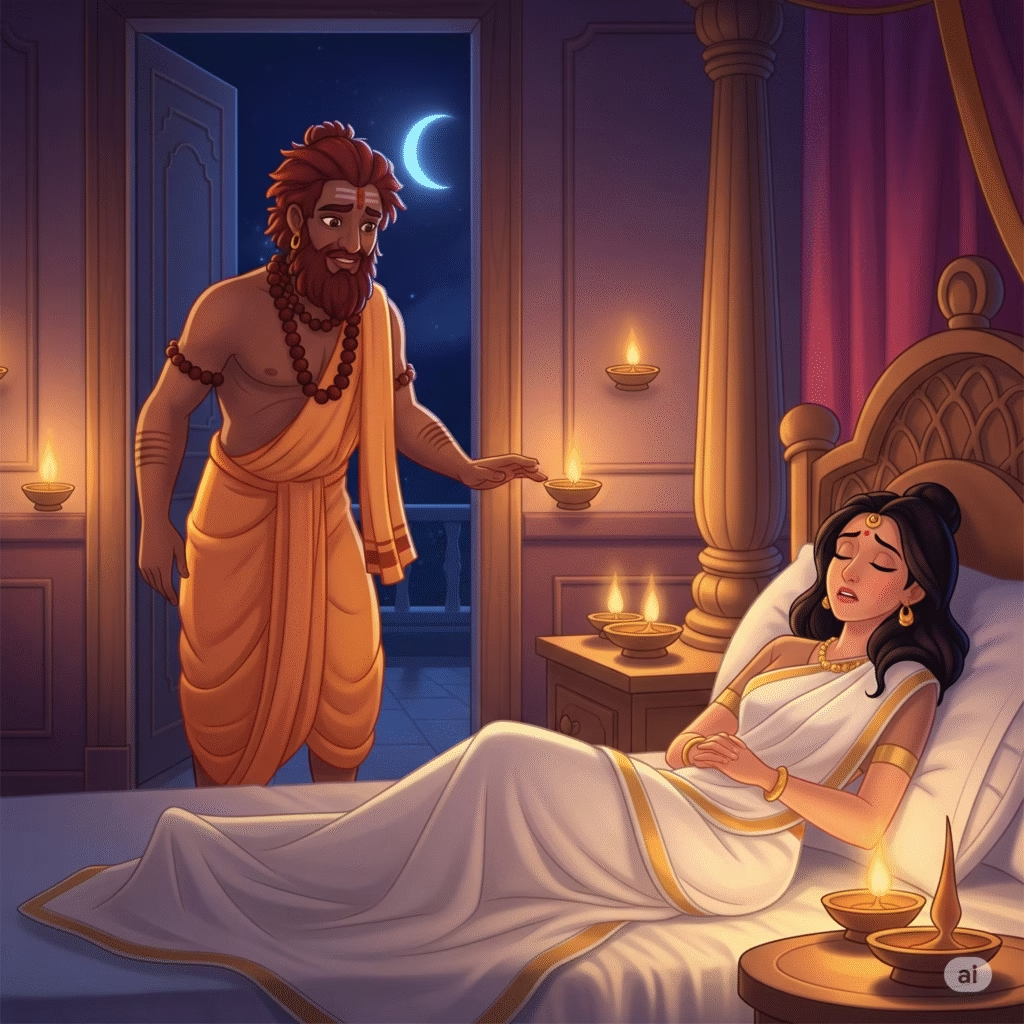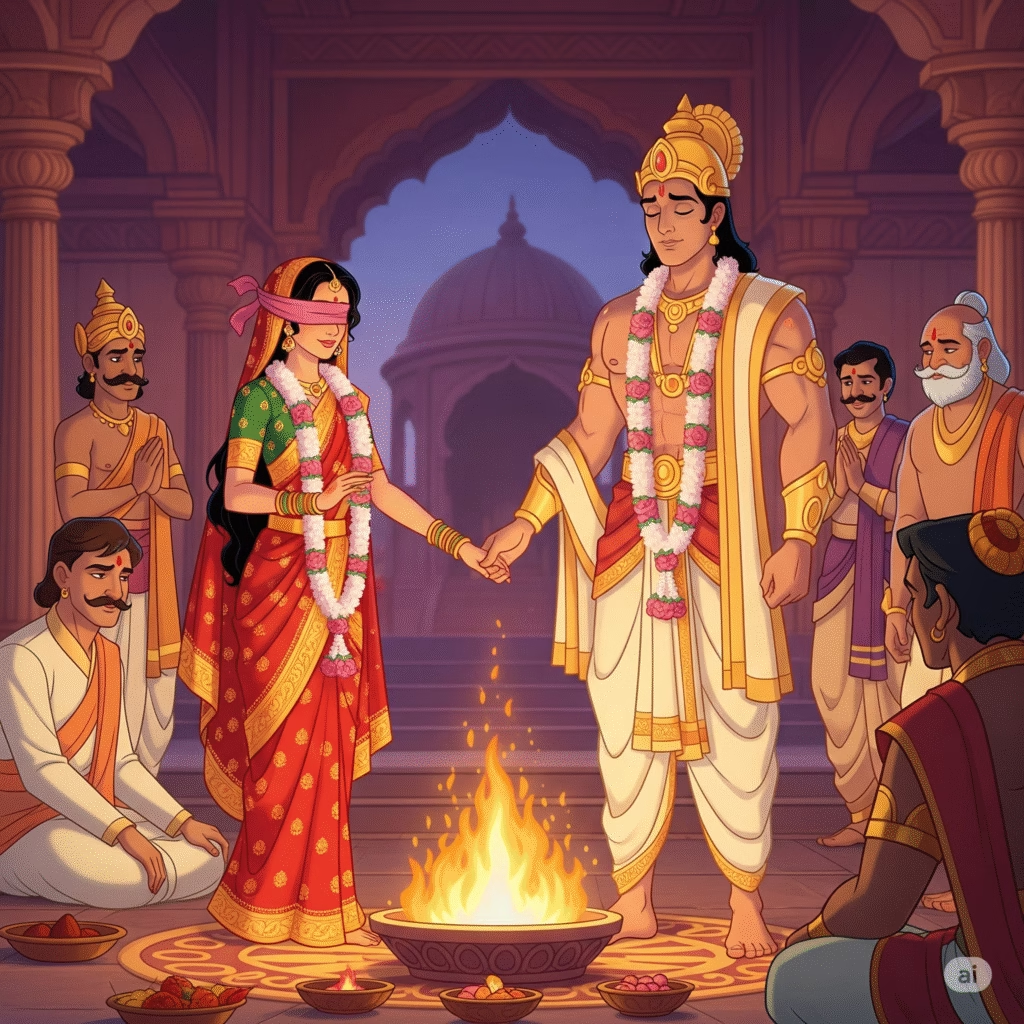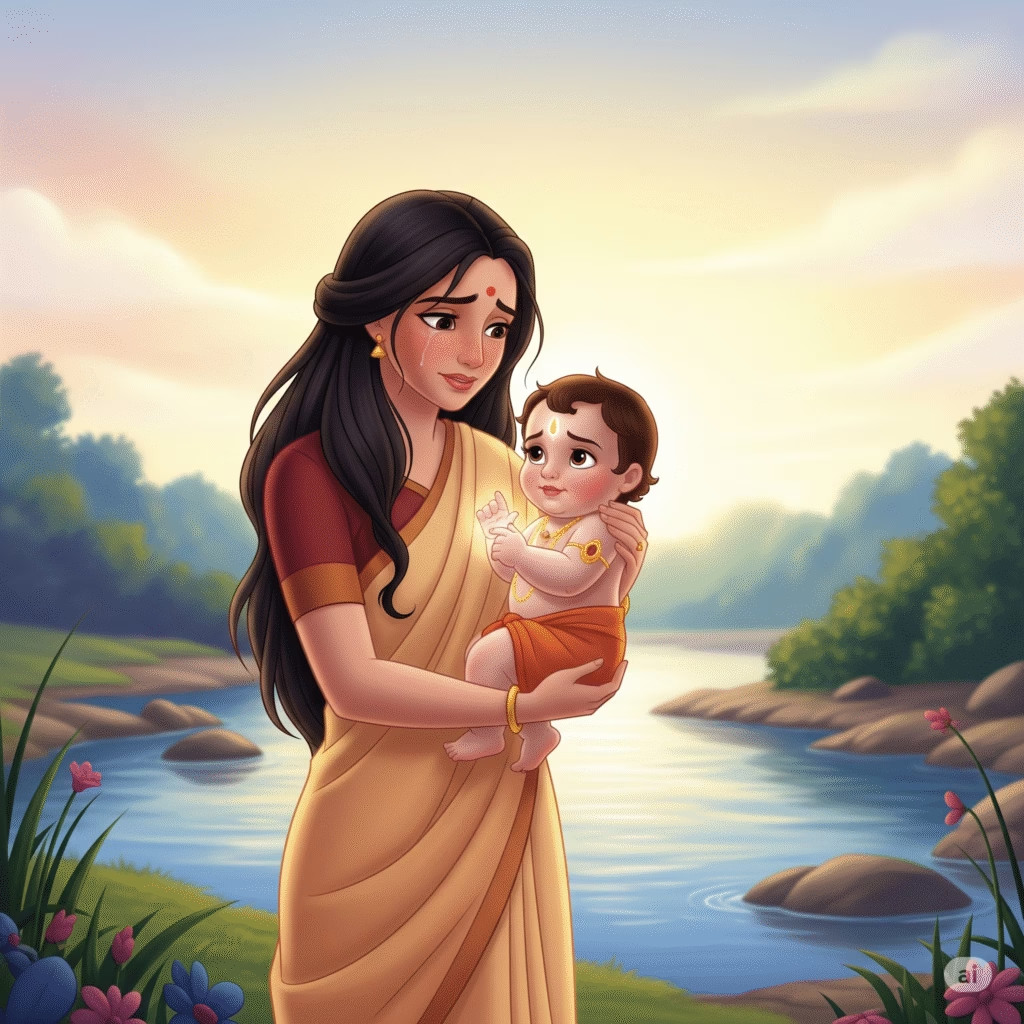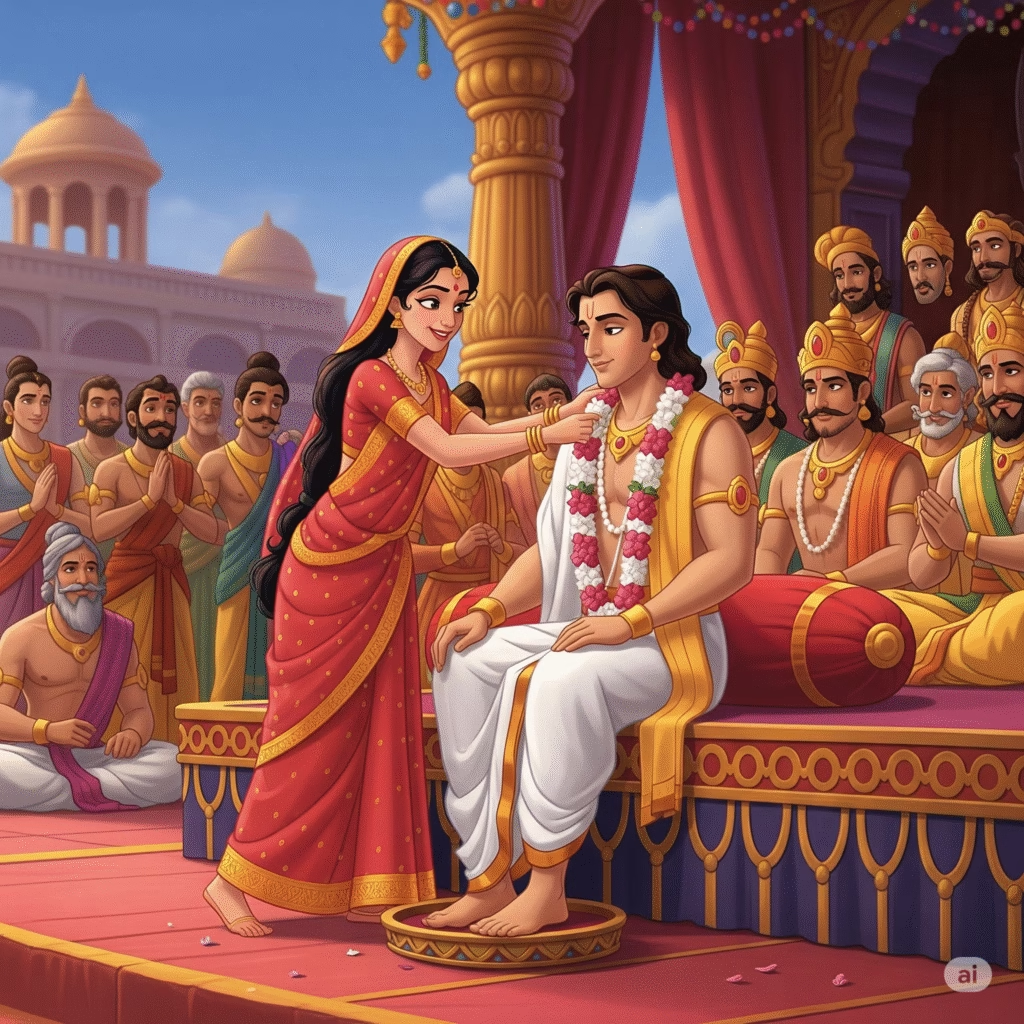
The desolate years passed on the peaks of Shatashringa. Pandu, the King turned ascetic, performed the most grueling penance, accompanied by his faithful wives, Kunti and Madri. But one sorrow gnawed at him : the lack of an heir.
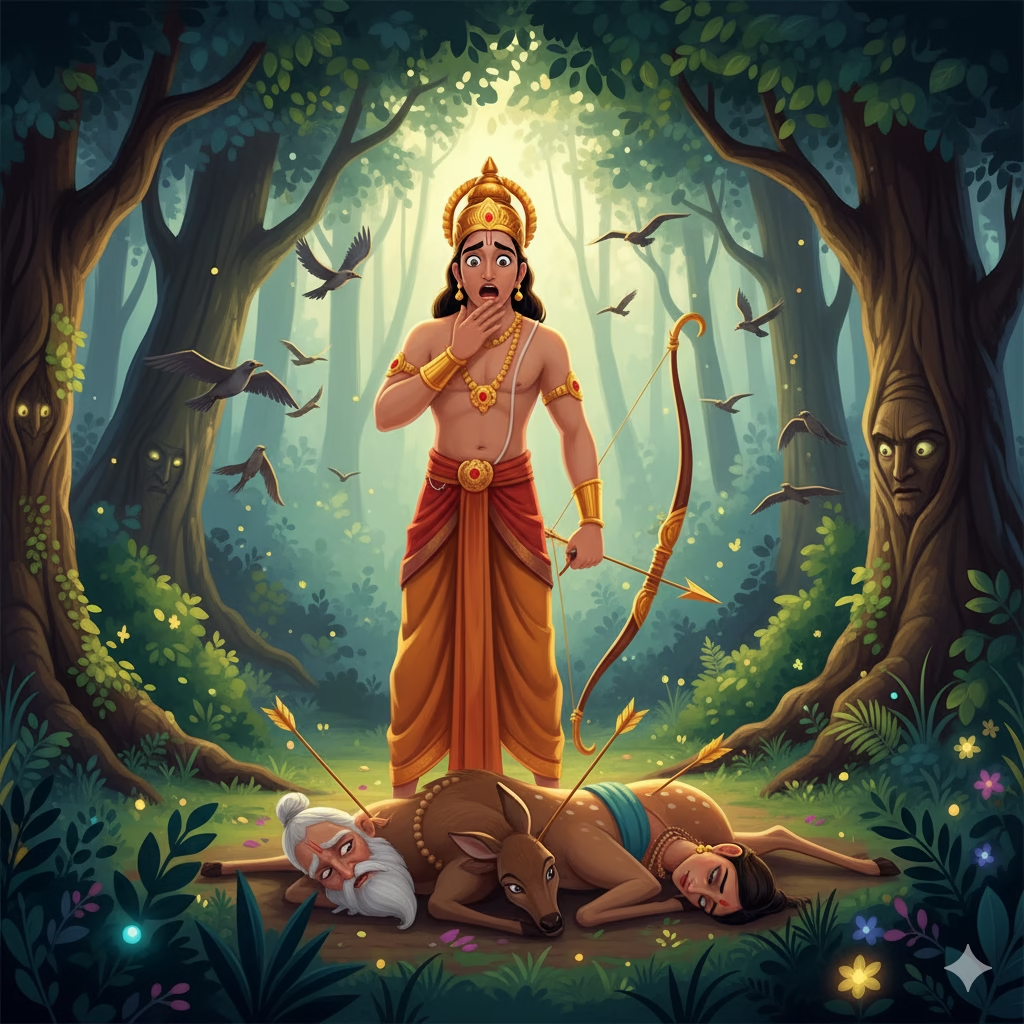
He knew the curse had rendered his life’s most vital Purushartha (goal)—procreation—null. One day, he confided his deepest fear to his wife, Kunti: “O Devi, this is a time of Apaddharma (duty in distress). The great vow of Dharma, upheld by all wise men, is the continuation of the lineage through a son. Without progeny, all the Yagnas (sacrifices), gifts, and rituals performed by a man are considered impure and incomplete. My sole fear is the unlucky fate of being childless, which will bar my ancestors from the auspicious worlds.” He confessed his mind was perpetually drowning in this single thought. His power to procreate was destroyed by the Rishi’s curse, a direct retribution for the cruel way he had interrupted the deer’s union.
Pandu, a King bound by the sacred, ancient laws of succession, then made an unthinkable demand to Kunti. He explained the concept of the twelve types of sons, six of whom were “kinsmen heirs” and six “non-kinsmen heirs,” all sanctioned under certain conditions. “Prittha, I am now without my own seed. For the sake of Dharma and the continuation of my lineage, I command you: go to another, superior man (a Brahmin, a Rishi, or a God) and obtain a son for me. This path is sanctioned by Manu himself for those in distress. You must obtain for me a son equal to or greater than myself.” This was the ultimate test of Kunti’s character: her husband, the man she loved and followed into the wilderness, was commanding her to violate the singular vow of marriage for the sake of an abstract, ancestral duty.
Kunti was stunned. Her eyes, wide as lotus petals, filled with tears. She spoke with immense devotion, trying to hold on to the sanctity of her bond with her husband: “O knower of Dharma! Please do not speak to me in this manner! I am your wife, deeply devoted only to you. You are vast-eyed, mighty-armed, and the most supreme man on this earth! It is you who will conceive many powerful sons with me, through the grace of Dharma.” She asserted that he himself, through his spiritual power (Tapas and Yoga), could achieve what physical passion had ruined. She would not even think of another man. To convince Pandu that a husband’s spiritual command must supersede her personal desire for fidelity, Kunti narrated an ancient, well-known tale—the story of King Vushitasva and his wife, Bhadra.
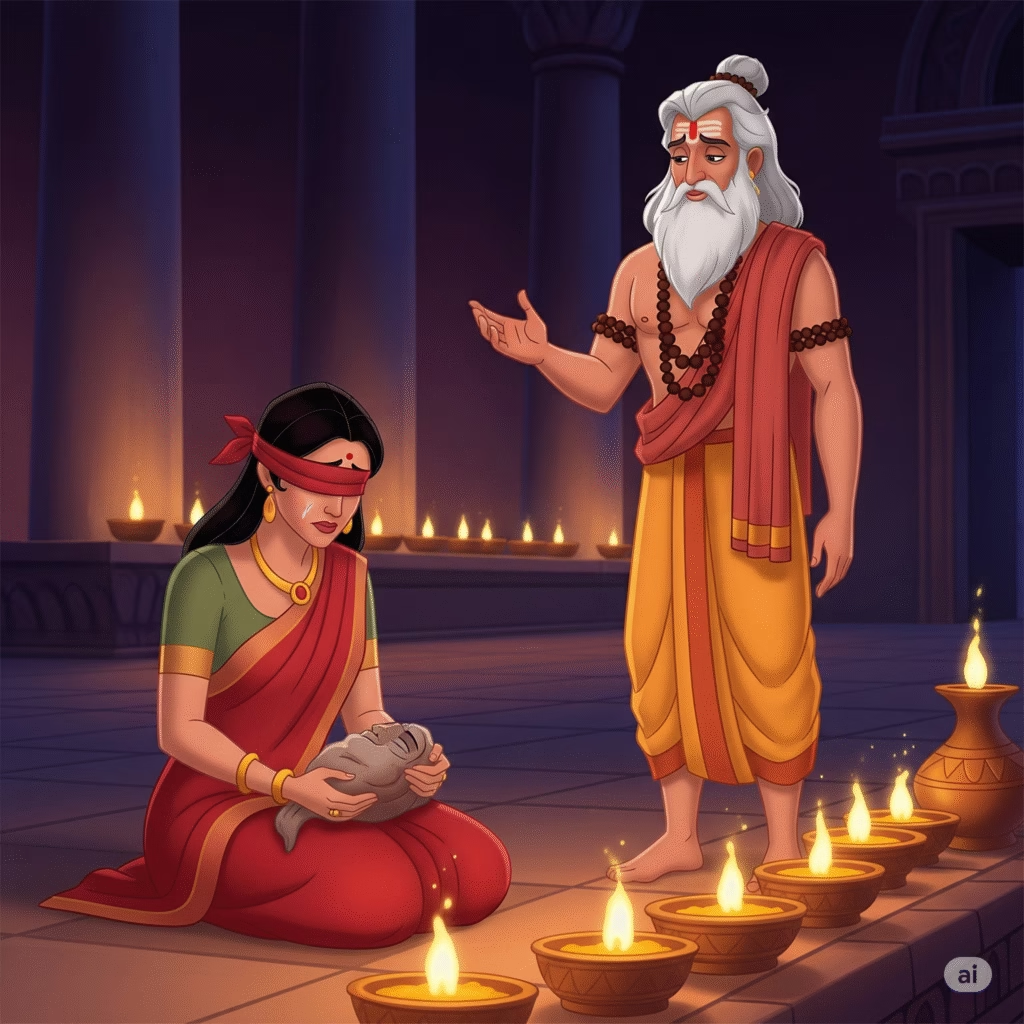
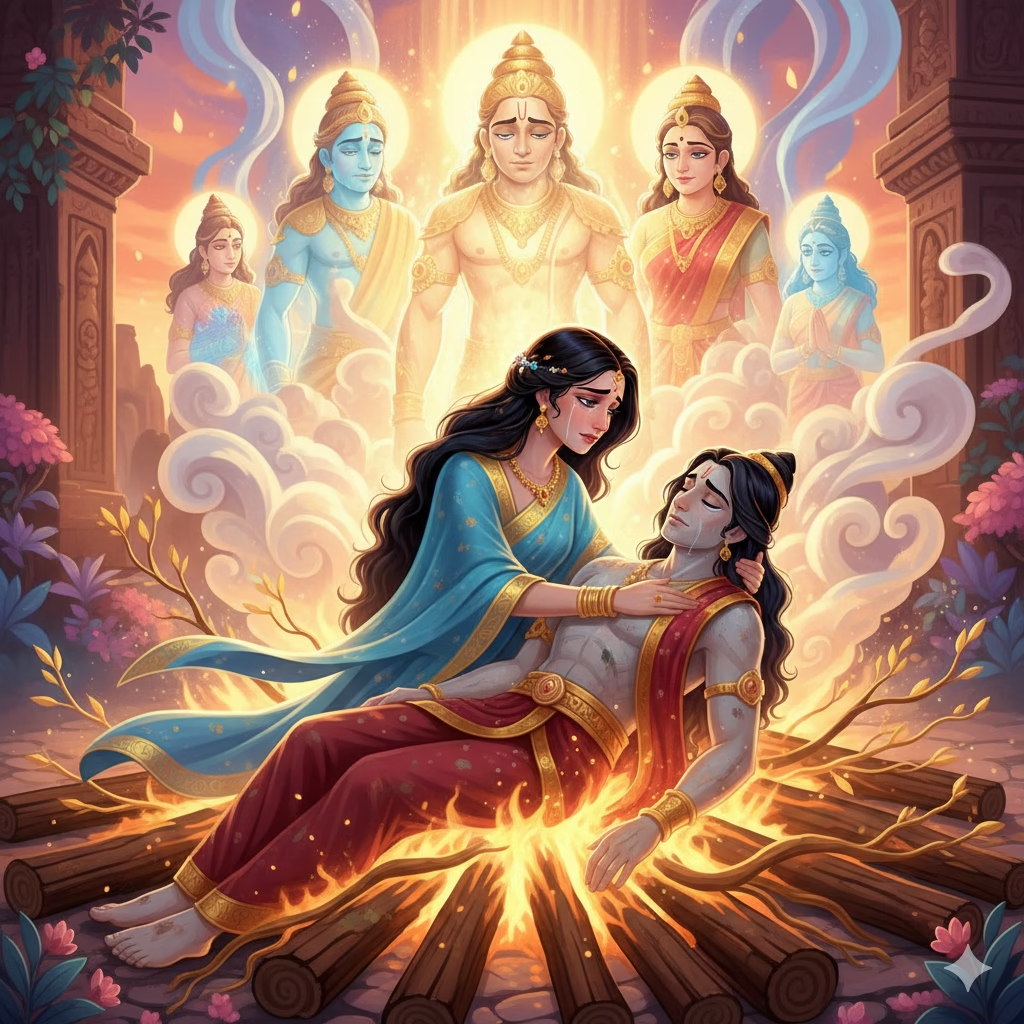
Vushitasva, a pious and powerful Puru King, died young due to excessive indulgence, succumbing to Rajyakshma (consumption, or the wasting sickness). He died before he could father an heir with his beloved wife, Bhadra. Bhadra when devastated, refused to live, claiming that a widow’s life was worse than death. She lamented her own sins, believing she must have separated many couples in a previous life to suffer such a terrible isolation. She embraced her dead husband’s body, wailing, and vowed to follow him to his final destination. Impressed by her devotion towards her husband the heavens spoke to her, granting her a boon: “O Bhadra, rise and go! When you are ready, lie down on your couch with your husband’s body during the night of the eighth or fourteenth lunar day, and I shall grant you sons.” Following the divine command, Queen Bhadra embraced her husband’s remains and was granted seven sons—three who became rulers of the Shalyas, and four who ruled the Madrakas.
Kunti concluded her story by saying: “O King, just as Queen Bhadra conceived sons through a divine command and by embracing her dead husband’s body, so too can you, endowed with the great power of Yoga and Tapas, conceive many sons with me through the power of your Sankalpa (mental resolve).” She subtly hinted that physical means were not the only way, and that he held the key to the solution. The weight of his lineage, which Pandu thought was lost, now rested on Kunti’s unrevealed secret.
This story in the Mahabharata is a critical lesson on the hierarchy of duty. Both Pandu and Kunti are faced with a terrible moral dilemma:
- The Husband’s Dharma: Pandu’s primary duty is to ensure the succession for his ancestors and his kingdom. Since he is physically prevented, he must rely on Apaddharma (emergency duty) and command his wife to seek a son elsewhere.
- The Wife’s Dharma: Kunti’s primary duty is absolute fidelity to her husband. To submit to another man feels like a betrayal.
In Dharma, the duty to the lineage and the ancestors often supersedes the duty to the individual marriage in crisis. Kunti rejects the command based on her deep love , affection and her belief in her husband’s power. But her willingness to break the vow, had he insisted, demonstrates her acceptance that the larger ancestral duty to the Kuru dynasty outweighs her individual marital bond in a state of emergency. When faced with conflicting duties, one must discern which Dharma holds the highest consequence for the world.The heart knows where the true Dharma of an individual lies. Bigger duties or individual decisions. There is no rulebook to the decision making and hence Dharma is a more soul related subject than just righteousness.
Journaling Prompts
- Pandu believed a life of virtue was “impure” without an heir. What is the “missing piece” in your life (a goal, a relationship, a title) that makes you feel, despite your efforts, that your work is “incomplete” or “in vain?”
- How do you currently rank the conflicting duties in your own life (e.g., duty to career vs. duty to family vs. duty to personal health)? Which one always wins, and why?